Israeli Prime Minister Benjamin Netanyahu made an unexpected visit to the United Arab Emirates on Sunday, where he met with President Sheikh Mohammed bin Zayed. This significant trip marks a rare interaction between the leaders, as confirmed by both nations on Monday. According to insights from an Israeli source disclosed to Media, the primary focus of their discussions revolved around Iran, particularly in light of the ongoing conflicts involving the country. Their collaboration has notably intensified in recent times, with both parties expressing commitment to further deepening their cooperative efforts.
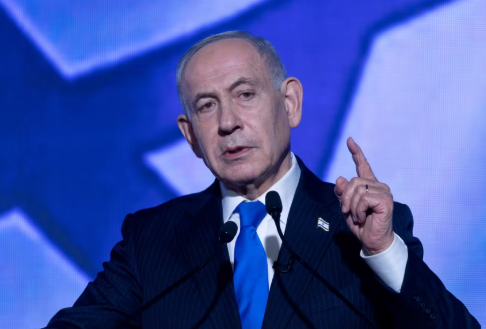
The UAE state news agency, WAM, reported that the leaders also addressed the enhancement of bilateral relations and explored avenues for mutual development between the UAE and Israel.The Israeli Prime Minister office announced a meeting aimed at “strengthening relations between the two countries and addressing regional challenges.” The delegation accompanying Prime Minister Netanyahu included his wife, the head of the National Security Council, the head of Mossad, a military secretary, and a political adviser. This visit is significant as it occurs just one month prior to Israel upcoming election on October 27, 2023, amidst rising political tensions stirred by reports from Haaretz and The New York Times.
These reports indicate that Sheikh Mohammed allegedly warned Netanyahu about a major Hamas operation shortly before the deadly October 7 attack. Additionally, The Atlantic reported that Egypt intelligence chief Abbas Kamel traveled to Israel on September 26, 2023, to alert Israeli officials that Gaza was on the verge of chaos. Furthermore, The Wall Street Journal detailed that there had been at least three warnings from Egypt to Israel regarding the situation in Gaza, with the most recent communicated directly to Netanyahu via phone in the days preceding the assault.
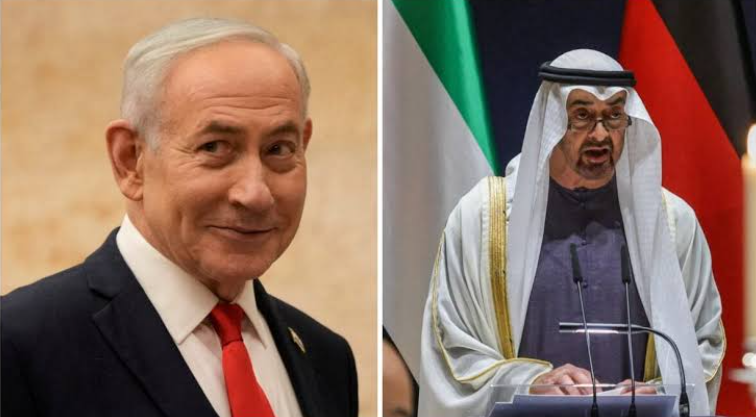
‘Hostile States’ (Netanyahu)
Netanyahu has consistently refuted allegations of having received any advance warning regarding threats from “hostile states.” He characterizes such reports as fabricated lies aimed at undermining his electoral prospects. On October 7, 2023, the prime minister stated via a post on X that he had neither met nor communicated with the Egyptian intelligence chief prior to the attack, asserting that no warning was given to him. He labeled the accusations surrounding the incident as false blood libels orchestrated by foreign and hostile entities, including Arab states.
However, his political adversaries have utilized these allegations to highlight his administration accountability regarding the failure to prevent the attack, making it a key focus in their campaign efforts.In a recent development involving diplomatic communications, the UAE Foreign Ministry responded to initial reports regarding a warning from Sheikh Mohammed by stating that it does not engage in commentary on media stories or speculation regarding discussions between government figures. However, the Ministry did not refute the existence of the call in question.
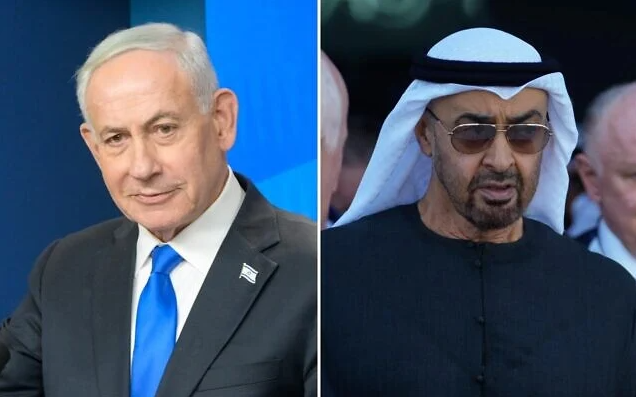
Instead, they emphasized the ongoing communication of relevant intelligence among pertinent entities. Additionally, an Israeli source, who has insight into the matter, indicated that Netanyahu office sought a denial from the UAE concerning the report. The UAE, however, opted only to release a statement concerning intelligence sharing, rather than categorically denying the claims. This situation highlights the complexities of international relations and the careful handling of sensitive diplomatic communications.
Netanyahu Likud party has accused UAE-based Palestinian politician Mohammed Dahlan of “blatant foreign interference” in Israel elections, although they provided no evidence to support this allegation. In their statements regarding Netanyahu recent trip, neither Israel nor the UAE acknowledged a reported warning from October 7. Rivals of Netanyahu are exploiting this warning to intensify their criticisms of his leadership leading up to October 7.
Gadi Eizenkot, a leading contender opposing Netanyahu in the upcoming elections, stated that the warning revelation unequivocally demonstrates Netanyahu “blindness, arrogance, and irresponsibility,” suggesting that his actions have brought the State of Israel to its most significant disaster. This unfolding political drama illustrates the heightened tensions within Israeli politics as the elections approach, with accusations of foreign influence and lapses in leadership becoming central themes in the discourse.
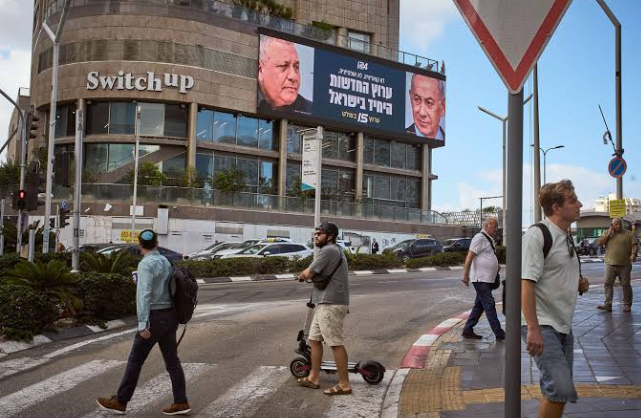
In May, Prime Minister Netanyahu office announced that he had made a secret visit to the United Arab Emirates (UAE) in March, coinciding with the initial phases of the Iran war. This visit was described by Netanyahu office as a “historic breakthrough.” However, the UAE foreign ministry refuted this claim shortly after, labeling it as “completely unfounded.” During the ongoing conflict, reports indicated that Israel had deployed an Iron Dome missile defense system in the UAE, highlighting a significant escalation in security cooperation between the two nations. Notably, the trip on Sunday marked Netanyahu first publicly acknowledged visit to the UAE.