On a recent Wednesday, the Federal Reserve undertook a significant action by raising U.S. interest rates for the first time in three years as it grapples with persistent inflation concerns. This decision was reached unanimously by the central bank policymakers, including new chair Kevin Warsh, who emphasized the pressing need for measures to combat rising prices that have troubled the economy. The interest rate was increased by a quarter of a percentage point, elevating it from the previous range of 3.5%-3.75% to a new range of 3.75%-4.00%.
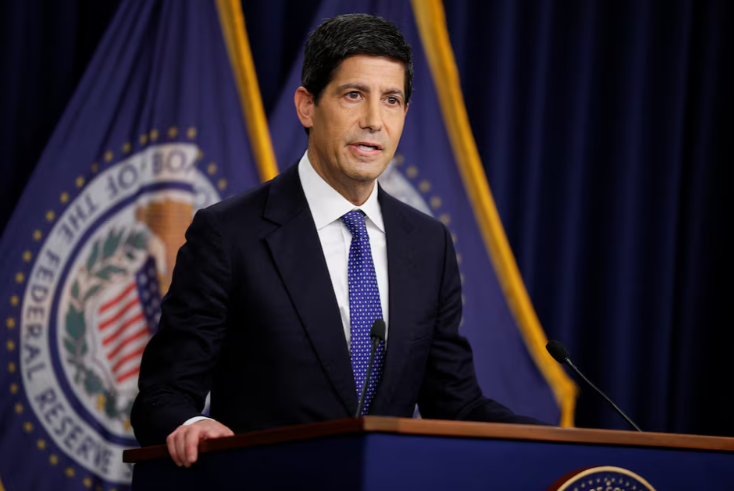
The backdrop of this decision includes a variety of economic pressures stemming from the Trump administration efforts, which have thus far failed to rein in inflation. Factors such as global import tariffs imposed by President Trump, a notable energy shock following the onset of the U.S.-Israeli conflict with Iran, and increased capital spending attributed to the booming artificial intelligence sector have compounded the inflationary landscape. The Fed move reflects its commitment to addressing these challenges decisively.Chairman Warsh justified the rate hike by stating that inflation is excessively high and has persisted for an extended period, framing the decision as both sober and responsible.
In stark contrast, President Trump has been vocally opposed to such increases, advocating for lower rates, ideally at 1% or less, arguing that the United States remains the strongest credit in the world. Despite Trump criticisms and urging for rate cuts, the Federal Reserve sees the tightening of monetary policy as necessary to control inflation and stabilize the economy, hinting at potential further increases in the months to come.Higher interest rates are currently making loans, mortgages, and credit cards more costly for borrowers, although they may offer better returns for savers.
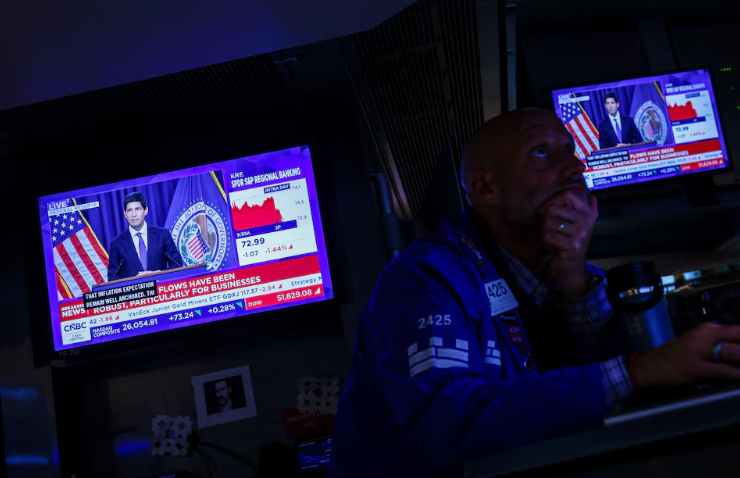
During a recent press conference, Fed official Warsh expressed a cautiously optimistic outlook among the Federal Reserve leadership; however, he emphasized that inflation continues to be a significant concern. The Federal Reserve aims to maintain inflation at or below 2%, a target that has remained unmet for over five years. This persistent inflation is fueling affordability issues for American voters, particularly as fuel prices have sharply risen due to escalating wholesale oil prices, a situation exacerbated by the ongoing US-Israel conflict with Iran. Consequently, the increase in fuel costs is contributing to the inflation of various goods and services, further straining consumers’ financial situations.
Interest Rates While the Federal Reserve (Fed) cannot directly influence individual prices, such as those of oil or grocery items, it plays a crucial role in preventing broader price increases across the economy. Warsh emphasized that a robust jobs market and overall economic strength allow the Fed to maintain its focus on stabilizing prices, noting that lower inflation is particularly beneficial for those in the most vulnerable economic positions. Central banks typically react to high inflation by raising interest rates to discourage consumer spending and promote savings, aiming to slow the rate of price increases. However, this strategy necessitates careful balancing, as increased interest rates may deter business investment and potentially hinder economic growth.
What the higher rate means for Americans (Interest Rates)
The confirmation of warsh as a member of the Federal Reserve ignited discussions on the potential implications of increased interest rates for Americans, particularly in the context of President Trump insistence on rate cuts. Previously, Trump had been vocal against Jerome Powell, Warsh predecessor, who he accused of insufficiently lowering rates. Warsh, when queried about the rate hike significance for Trump agenda, opted for a light-hearted dismissal, indicating a reluctance to engage in direct discussions about economic policy with the president.
In response to the raised rates, Trump expressed his discontent through social media, urging for expedited interest rate reductions in the United States. The tension between the Federal Reserve decisions and the executive branch highlights the complex dynamics of economic policy-making in the current political landscape.Democrats on Capitol Hill have expressed concerns that the recent interest rate increase by the Federal Reserve will result in higher loan costs, ultimately leading to greater debt accumulation among Americans. Chuck Schumer, the Senate leading Democrat, remarked, “This is going to make everything become more expensive,” attributing this situation to what he perceives as Donald Trump poor economic management.
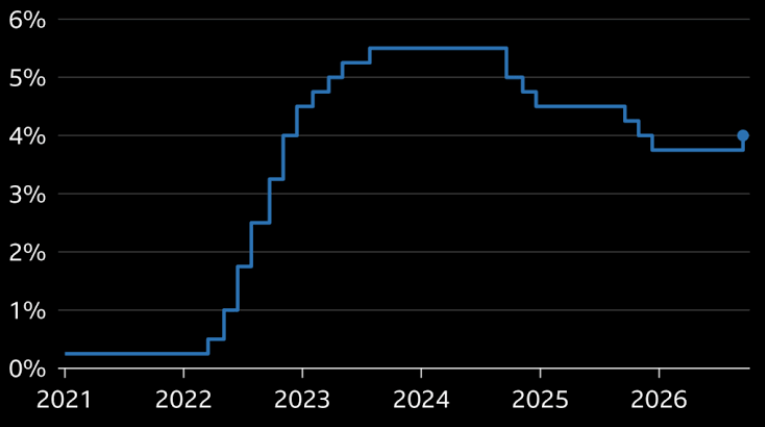
This rate hike marks the first adjustment since the rates were cut in December 2025, with the last increase occurring in July 2023. The implications of this increase are significant, as it is predicted to elevate mortgage rates for prospective homebuyers and increase costs associated with various forms of debt. Following the Federal Reserve decision, major U.S. banks, including JP Morgan, KeyCorp, and BNY, have responded by raising their prime lending rate from 6.75% to 7%. This adjustment will, in turn, impact the interest rates charged on credit cards and personal loans, further burdening consumers.
Mortgage costs have increased over the past year, currently averaging 6.76% for 30-year fixed mortgages and 6.09% for 15-year fixed mortgages, as reported by Freddie Mac. Despite the rise, these rates remain lower than those reached in 2023. Many homeowners with fixed-rate mortgages will not see changes in their monthly repayments due to fluctuations in interest rates. However, those seeking to obtain new mortgages or refinance may feel the impact of elevated rates. Although Warsh refrained from expressing personal views on future Federal Reserve rate trends, it is noted that a majority of policymakers anticipate a rate hike later this year, projecting an increase to between 4% and 4.25%.
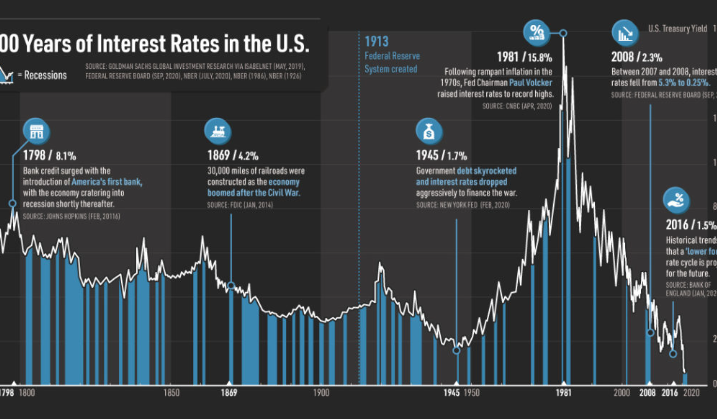
A small majority of respondents indicated that interest rates could potentially increase to a range of 4.25% to 4.5% next year, with expectations for reductions in rates beginning in 2028 and 2029. The forecast implies that inflation, which serves as a key indicator of living costs, is expected to decrease progressively, aligning with the Federal Reserve target by 2029. This situation is not unique to the United States; other central banks are also grappling with rising inflation. For instance, the European Central Bank recently raised its rates, while the Bank of England is poised to announce its own rate decision shortly.
Summary
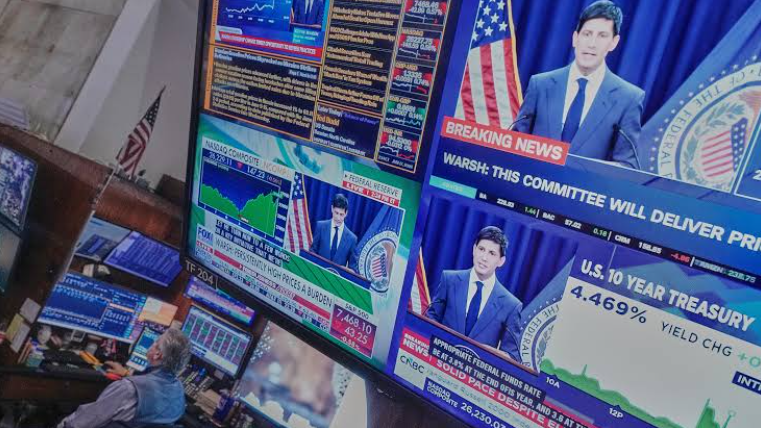
- Fed lifts benchmark interest rates to 3.75%-4.00% range
- New projections show policy rates in 4.00%-4.25% range by end of 2026 and 2027
- Trump repeats his argument that rates should be slashed
Pingback: DOJ Charges Utah Postal Worker Accused of Dumping 300 Mail-In Ballots in Trash - internationalmediawire.com