The document discusses the U.S. intelligence assessment regarding Iran’s nuclear capabilities just before the onset of military action.

It highlights that U.S. intelligence analysts concluded that Iran was ‘not building a nuclear weapon’ and that the International Atomic Energy Agency (IAEA) found ‘no structured program’ in place. Furthermore, Carnegie reports that officials resorted to ‘verbal gymnastics’ to potentially justify military strikes despite these conclusions.
The narrative emphasizes the discrepancy between intelligence findings and the decisions made, suggesting a disconnect that led to military intervention despite clear evidence against the perceived threat.
What US Intelligence Actually Said About Iran’s Bomb
On February 28, 2026, the United States, along with Israel, executed a military assault on Iran, citing that Iran’s nuclear program had hit a critical juncture, claiming an imminent threat from the potential acquisition of nuclear weapons by the Iranian regime.
This assertion, reinforced by President Trump’s statements and support from allied nations, positioned military action as necessary. However, a significant discrepancy arose between these claims and the actual evaluations of the US intelligence community and the International Atomic Energy Agency (IAEA), which provided contrasting assessments of Iran’s nuclear capabilities.
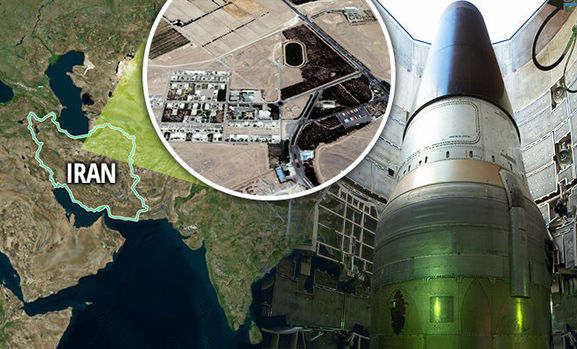
Importantly, these intelligence evaluations were not confidential; they were publicly accessible prior to the initiation of military operations.
The ensuing analysis dissects the known facts, the misleading claims made to justify the military intervention, and the information that was intentionally obscured, all of which contributed to a conflict resulting in substantial loss of life and extensive profits for corporations involved in the war.
This situation underscores the critical examination of intelligence data against the narratives employed by political leaders in justifying military actions.
The Official Intelligence: “Not Building a Nuclear Weapon”
The Congressional Research Service (CRS) maintains an updated report on Iran’s nuclear weapons production, confirming that, as of April 9, 2026, Iran is not building a nuclear weapon.
This assessment follows the suspension of the nuclear weapons program by the now-former Supreme Leader Ali Khamenei in 2003.
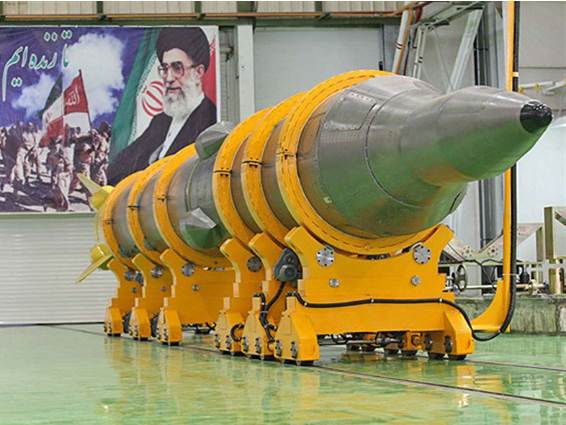
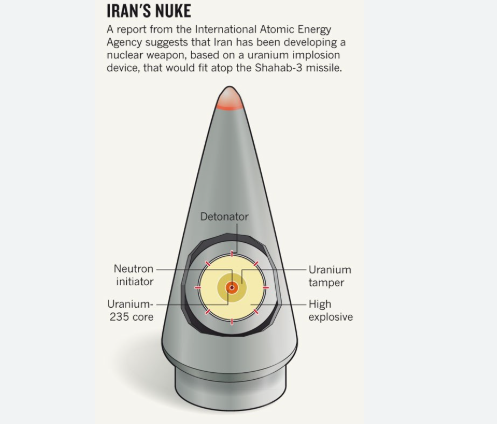
Historically, Iran’s nuclear efforts in the early 2000s aimed to develop an implosion-style weapon specifically for the Shahab-3 ballistic missile, which has a range of approximately 1,300 kilometers, capable of targeting Israel and Saudi Arabia, but not Europe or the United States.
The program was officially halted in late 2003, with no evidence of reactivation detected by international nuclear inspections.
The IAEA Verdict: “Never Had Information”
The International Atomic Energy Agency (IAEA), led by Director General Rafael Grossi, publicly stated on March 4, 2026, amidst the US-Israeli strikes on Iran, that it had “never had information” suggesting a systematic Iranian program to develop nuclear weapons.
This assertion, made in real-time while the conflict was ongoing, underscored that the IAEA’s extensive verification measures—encompassing inspections, surveillance cameras, security seals, and sampling—did not uncover the nuclear capabilities that political leaders cited as a rationale for military intervention.
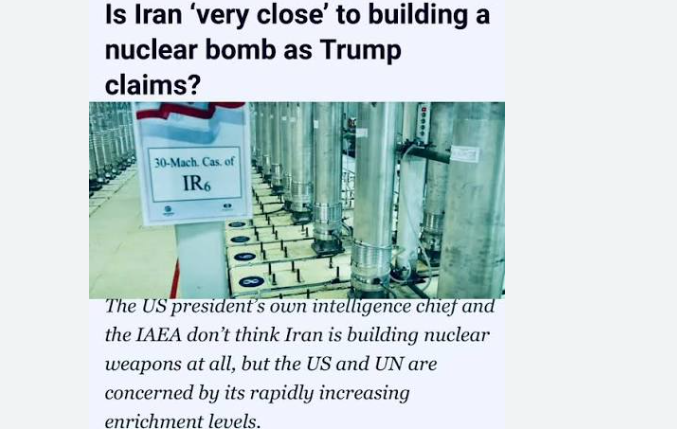
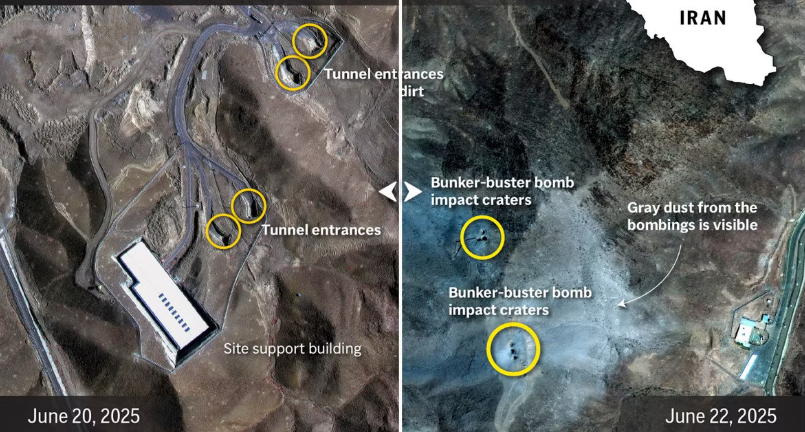
Following the June 2025 strikes, termed the “Twelve-Day War,” Iran halted its cooperation with the IAEA, resulting in the agency losing access to nearly all Iranian nuclear facilities, retaining access only to the Bushehr power plant by September 2025.
The limited inspections following the June conflict led to an air of uncertainty regarding Iran’s nuclear activities; however, the IAEA emphasized that such uncertainty does not equate to evidence of nuclear weapon development.
The “Verbal Gymnastics”
The analysis published by the Carnegie Endowment for International Peace on May 4, 2026, addresses a significant contradiction in U.S. foreign policy regarding Iran.
It highlights that the U.S. decision to restart hostilities in February 2026 was primarily influenced by Iran’s military capabilities and the government’s violent crackdown on domestic protests, rather than any new nuclear developments.
The report emphasizes the use of “verbal gymnastics” by U.S. officials, who sought to justify this military action despite having previously claimed to have “obliterated” Iran’s nuclear infrastructure in June 2025.
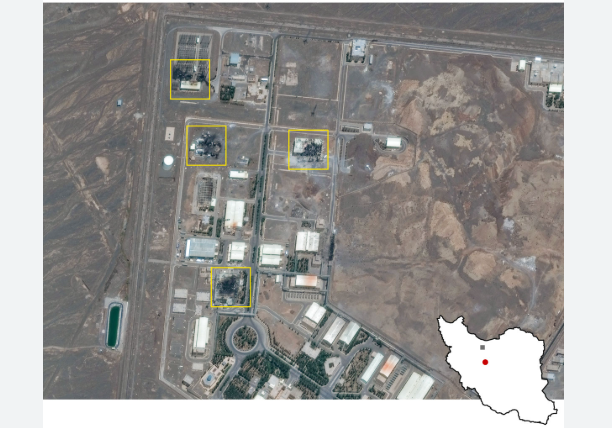
The strikes carried out by the U.S. and Israel resulted in substantial destruction to Iran’s nuclear capabilities, impacting numerous facilities, including the centrifuge supply chain, uranium mining and milling facilities in Ardakan, and various weaponization sites.
Notably, the action also resulted in the elimination of twelve nuclear scientists and the headquarters of Iran’s weaponization program.
Despite these significant blows, the same administration drew upon the remnants of the destroyed program to justify a second, larger military engagement.
This scenario illustrates a shift from preemptive to preventive war—a conflict initiated not in response to an imminent threat, but rather against an anticipated future capability, supported by rhetoric that contradicted the existing intelligence evaluations.
The “9 to 12 Months” Claim
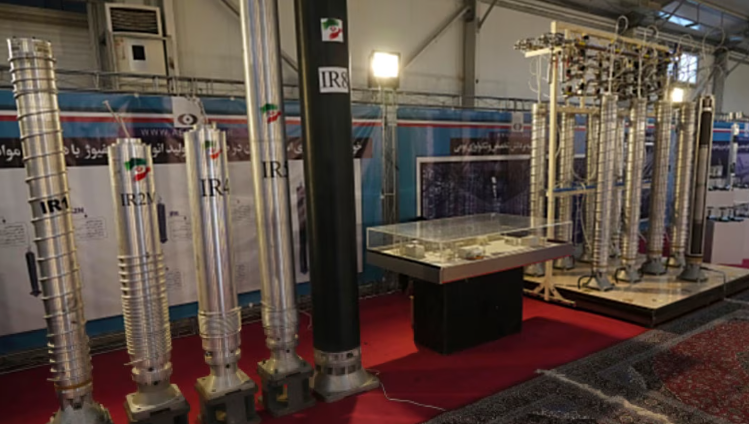
In May 2026, Reuters reported that U.S. intelligence estimated Iran was “9 to 12 months away” from developing a nuclear weapon, a claim that gained traction in media and political discussions.
However, the Foundation for Defense of Democracies (FDD), a pro-Israel think tank known for its hawkish stance on Iran, published a critique of this estimate, highlighting several key assumptions that underpinned it.
Firstly, the FDD criticized the assumption that Iran could extract highly enriched uranium stored in tunnels near Esfahan. Moreover, it challenged the idea that Iran could swiftly reestablish its uranium metal production and weaponization capabilities.
Another point of contention was the assumption that Iran could rebuild centrifuge cascades on a significant scale. The critique noted that the estimate disregarded the destruction of Iran’s centrifuge supply chain that occurred in June 2025, as well as the elimination of many Iranian scientists and nuclear facilities.

Based on a more thorough analysis, the FDD posited that a realistic timeline for Iran to achieve nuclear weapon capabilities would be a minimum of 2.5 years, particularly in the absence of foreign assistance.
Furthermore, the report clarified that even the more optimistic “9 to 12 months” timeline did not imply Iran was close to achieving an operational nuclear weapon.
Instead, it described a theoretical path toward a first weapon that necessitated several significant technical breakthroughs, many of which Iran had not yet accomplished and likely could not achieve unassisted post-June 2025.
Lastly, it was emphasized that neither the original 9 to 12-month estimate nor the revised 2.5-year timeline accounted for the need for a delivery system capable of reaching the United States, thereby questioning the overall threat level presented by the Iranian nuclear program at that time.
The Geography of Threat
The Shahab-3 missile is central to Iran’s weapons program, with a range of about 1,300 kilometers, allowing it to threaten Israel but not the US mainland.

Iran has not developed or demonstrated an intercontinental ballistic missile (ICBM), which requires significant technological advancements such as miniaturized warheads and advanced guidance systems—capabilities not attributed to Iran by credible intelligence.
Thus, while Iran poses a regional threat that endangers Israel, US military bases in the Gulf, and Saudi oil interests, it does not pose a threat to the US homeland. The conflation of regional deterrence with an existential threat served as a key justification for military action against Iran.
The Historical Echo: Iraq 2003
In “The Historical Echo: Iraq 2003,” the author explores the justifications for military interventions by contrasting two significant events: the invasion of Iraq in 2003 by the Bush administration and the airstrikes against Iran in 2026 initiated by the Trump administration.
In 2003, the rationale for invading Iraq hinged on the assertion of an existing nuclear program, notably highlighted by the falsely referenced “16 words” about uranium from Africa; however, this program was ultimately non-existent.
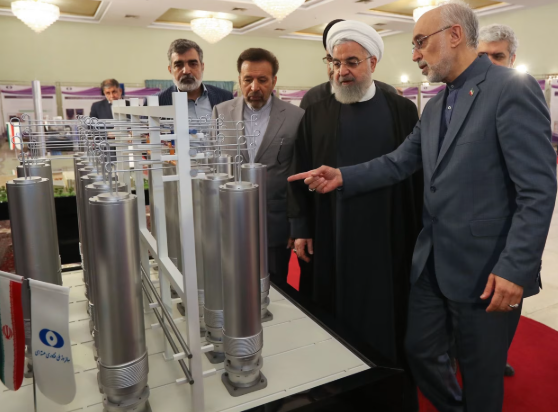
Fast forward to 2026, the Trump administration employed Iran’s purported nuclear program as a key justification for military action.
At that time, intelligence assessments indicated that Iran’s weapons program had been effectively dormant since 2003 and had been largely dismantled by June 2025.
A critical distinction between the two scenarios lies in the transparency of intelligence in 2026.
Unlike the secretive environment surrounding the 2003 invasion, the intelligence concerning Iran was publicly accessible, with real-time analyses from respected institutions such as the International Atomic Energy Agency (IAEA) and the Carnegie Endowment for International Peace available to the public throughout the conflict.
Despite this clarity and the clear absence of a threat, military strikes were nevertheless executed against Iran, highlighting the persistent reliance on flawed intelligence to justify military incursions.
This narrative illustrates the complex interplay between political objectives and the integrity of intelligence in shaping military policy.

The Silence of the Intelligence Community
In “The Silence of the Intelligence Community,” a critical question is posed regarding the failure of intelligence assessments to prevent war, particularly concerning Iran.
The text asserts that the limitations of modern intelligence reporting contribute to this failure. Specifically, intelligence estimates are characterized as nuanced and probabilistic, often surrounded by significant caveats.
For example, the statement that Iran is “not building a weapon” contrasts sharply with the nuance that they possess enriched uranium that could potentially be upgraded to weapons-grade through extensive effort.
Such complexity does not resonate well with the immediacy of political communication, especially in the era of social media, where succinct, impactful messages, like presidential tweets, dominate discourse.
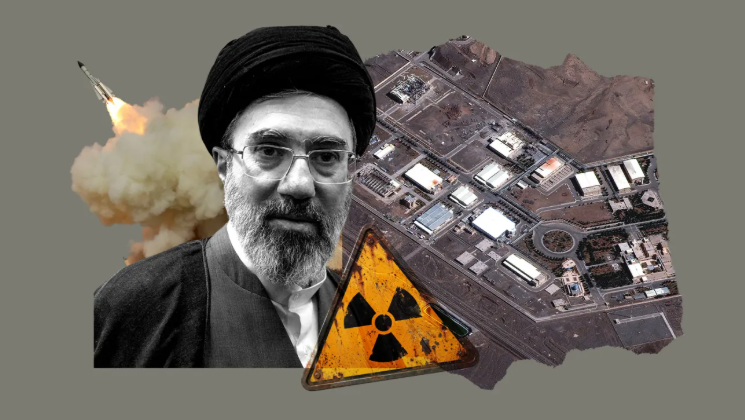
Moreover, the article highlights a fundamental disparity in communication styles: the intelligence community communicates with caution and restraint, while politicians communicate boldly and decisively.
By the time key analyses and reports, such as the CRS report or the Carnegie analysis, were publicly released, the conflict was already in progress, effectively sidelining these nuanced assessments.
The narrative around the conflict had been firmly established, leading to military action, illustrated by the phrase “the bombs had fallen,” and the ongoing accrual of profits from wartime actions, suggesting a pre-existing agenda that overshadowed intelligence warnings.
This critique underscores the systemic issues within the intelligence community’s communication processes and the broader implications for national security decisions.
Final Thoughts
The analysis of whether Iran posed a nuclear threat to the United States prior to February 28, 2026, reveals a consensus among major intelligence and research bodies. The US intelligence community concluded that there was no nuclear threat from Iran.
Similarly, the International Atomic Energy Agency (IAEA) indicated that Iran did not have any structured nuclear program at the time. The Congressional Research Service affirmed that Iran was not actively developing a nuclear weapon, and noted that the Supreme Leader had not reauthorized any dormant nuclear program.
In a broader context, the Carnegie Endowment noted that the motivations for potential military action against Iran were more closely tied to its conventional military capabilities and the suppression of internal protests, rather than advances in nuclear technology.
In contrast, political leaders presented a different narrative, framing a possible war around the nuclear issue, even though it diverged from the assessments of intelligence agencies. This divergence illustrates how political agendas can overshadow factual intelligence evaluations.
The narrative of a nuclear threat served to rationalize military intervention, masking the actual factors driving the decision region-specific dominance, financial interests of defense contractors, and the strategic interests of Israel none of which could be readily communicated to the American public.
This situation echoes the events leading to the Iraq War in 2003, which was exacerbated by social media influences and diminishing institutional memory, resulting in widespread chaos and long-term instability in the region.
Pingback: BBC Trump Lawsuit: US Judge Temporarily Blocks Trump Financial Records Disclosure in $10 Billion BBC Lawsuit - internationalmediawire.com