Proposed Strait of Hormuz deal would give Iran control of inbound traffic, sources say
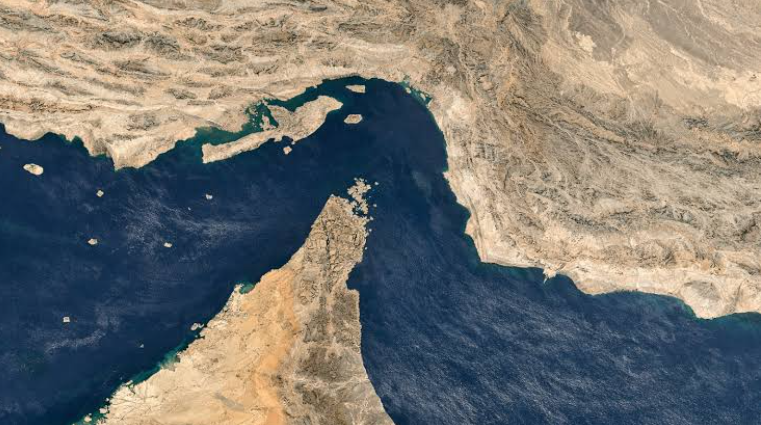
A proposed agreement involving Iran and Oman could grant Iran significant control over maritime traffic entering the Gulf via the strategic Strait of Hormuz.
This development has been characterized as one of the most substantial concessions to Iran observed recently, according to a senior Iranian source and two regional officials who shared insights with Reuters.
However, these sources have also countered claims made by U.S. President Donald Trump regarding the imminent prospect of a deal that would allow reopening the strait, indicating that the situation remains complex and uncertain despite the concessions discussed.
Iran Reports Breakthrough in Oman Talks Over Strait of Hormuz Transit
Iran has reported “significant progress” in negotiations with Oman regarding transit routes, asserting that both inward and outward maritime journeys will utilize Iranian waters. U.S. officials, however, have stated that they will never agree to any arrangement that allows Iran to control access to the crucial Strait of Hormuz, which is vital for global energy supplies.
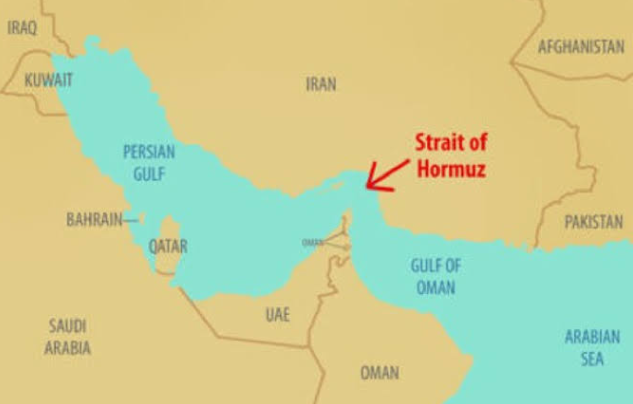
A regional source indicated that a concession regarding some level of control over Strait of Hormuz has already been made. Another source noted that specific definitions of “control” remain to be clarified, with Gulf negotiators emphasizing that regional countries should supervise ship inspections, and that any fees involved should be voluntary.
The discussions reflect a complex interplay of interests, particularly concerning security and economic implications in this strategically significant region.
Iran says it is on the verge of finalizing the deal
Iran is nearing a significant agreement concerning maritime routes in the Gulf, as articulated by a senior Iranian official. The prospective deal permits Iran to manage ships entering the Gulf via the strait, with ongoing discussions focusing on Iran’s authority over outbound shipping.
Deputy Foreign Minister Kazem Gharibabadi noted that a substantial portion of the newly proposed maritime route will traverse Iranian territorial waters, while a segment will also extend into Omani waters.
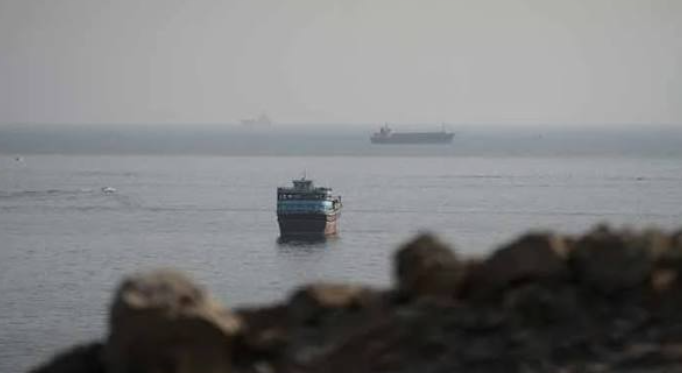
Additionally, Gharibabadi commented that substantial agreements have been reached in talks with Oman regarding the mapping of routes for both incoming and outgoing maritime traffic. He emphasized that this progress is close to finalization.
Oil Edges Down
The ongoing U.S. military efforts to challenge Iran’s influence in the strait have not yielded significant results, despite a two-week series of strikes conducted in July. U.S. commanders informed President Trump that their resources are dwindling, particularly noting a shortage of munitions.
As reported by Reuters on Tuesday, the U.S. Army is nearing depletion of its stock of long-range precision missiles.

Trump and senior officials have recently asserted that a deal to conclude the February-launched war is imminent, despite polling indicating that most U.S. voters oppose the conflict. Strait of Hormuz
Washington has not yet responded to any proposed agreement. Concurrently, oil prices saw a slight decline on Wednesday after a period of increase, influenced by the Houthi movement in Yemen claiming an attack on a Saudi-flagged tanker in the Red Sea, contributing to ongoing disruptions in global energy supplies.
In the past two days, crude oil prices have significantly dropped following Trump’s decision to cancel planned attacks on Iran, referencing ongoing discussions that could potentially resolve the situation.
U.N. Urges Progress
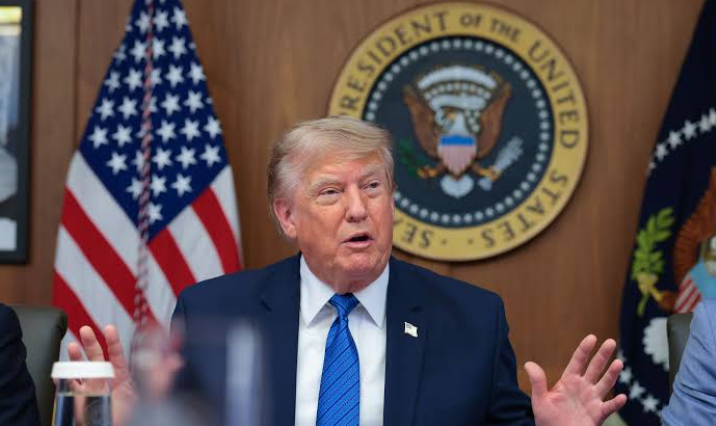
The recent developments concerning negotiations around the Strait of Hormuz have garnered significant attention. President Trump, in an interview with Fox News’ “@ Night with Trace Gallagher,” remarked that the talks were progressing well, describing Tuesday’s discussions as “an all-day negotiation.”
He expressed optimism, suggesting that the Strait of Hormuz would soon be reopened. This assertion aligns with his previous stance, where he canceled plans for extensive attacks on Iran, attributing this decision to the ongoing negotiations.Strait of Hormuz
However, an Iranian source cautioned that a single tweet from Trump could jeopardize the delicate situation, emphasizing that “the devil is in the details.” At a U.N. briefing, deputy spokesperson Farhan Haq noted that the organization had not received direct information about the Strait’s reopening but encouraged continued diplomatic efforts towards a negotiated resolution.
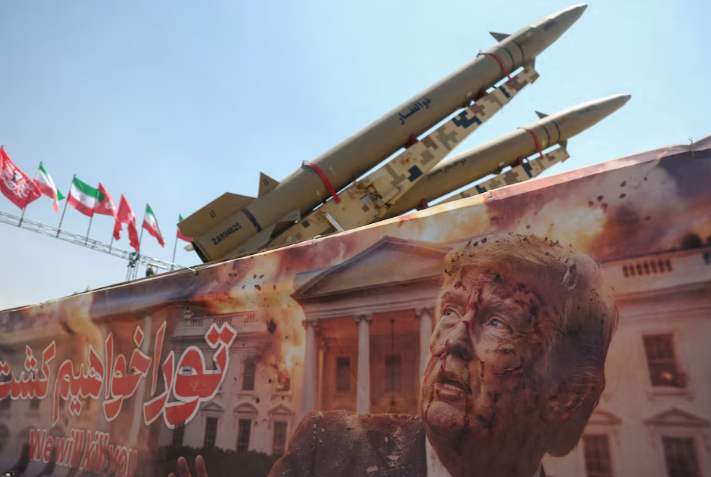
The context of these discussions is pivotal, particularly regarding the potential outcomes that could affect regional power dynamics.
Should any agreement grant Iran control or access fee rights over the Strait, it would signify a substantial shift in the balance of power in favor of Tehran, a stark contrast to the pre-war status when the strait was accessible to all shipping vessels without charges.
Furthermore, Trump has faced increasing pressure to extricate the U.S. from a conflict that public opinion currently opposes two-to-one.
As negotiations progress, reports indicate that Iran is negotiating to impose fees of 5% to 7% on cargo for ships traversing the strait, while Oman is advocating for a smaller fee of about 3%. The U.S. position appears rigid, aiming for no fees at all.
A potential compromise may involve nominally voluntary fees, although threats of Iranian hostility could deter shipping interests from transiting the Strait without an ancillary charge.
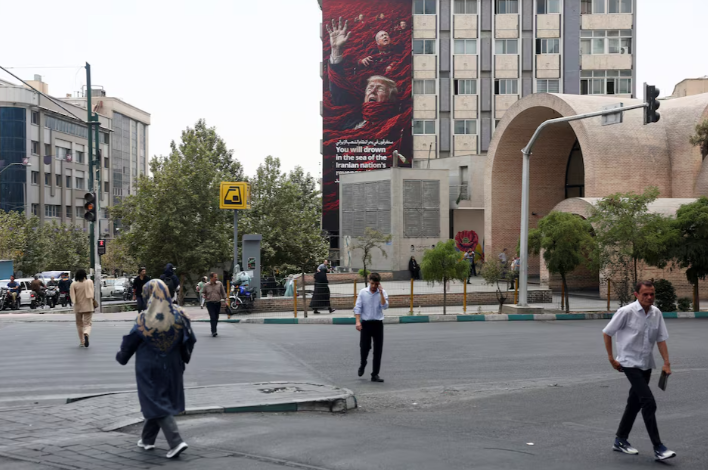
The resolution remains uncertain, hinging on both diplomatic negotiations and the volatile political landscape influenced by social media statements from key figures.
Pingback: The Nuclear Pretense: What US Intelligence Actually Said About Iran's Bomb - internationalmediawire.com