Pentagon officials, including top-ranking military leaders, are undergoing polygraph examinations as a response to the leaking of sensitive information regarding the United States’ weapons stockpiles. This extensive investigation follows media reports revealing classified details about sophisticated munitions. The situation has provoked significant concern within the military and government, particularly following President Trump reported anger over the leaks.
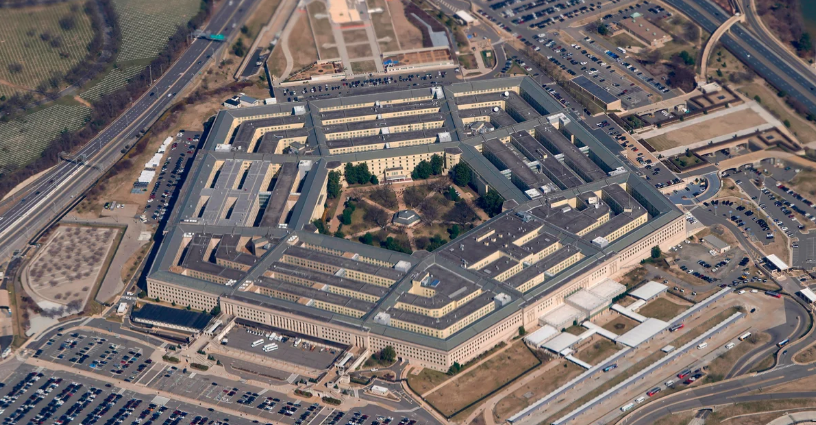
Sources indicate that access to this classified information was extremely limited, raising fears that someone may be compromised and potentially acting as a foreign intelligence asset. This probe illustrates the high stakes involved in maintaining national security and the protocols enacted when sensitive information is disclosed.Polygraph tests have become increasingly common among high-ranking military and civilian officials, though the scale of testing in this instance is noted as particularly unusual.
Earlier this summer, several dozen individuals underwent polygraph examinations, encompassing officials from U.S. Central Command and other combatant commands. The questions presented during these tests were extensively focused on issues pertinent to national security. Reports indicate that all participants successfully responded to queries aimed at uncovering any potential media leaks, with no failures recorded in this regard.
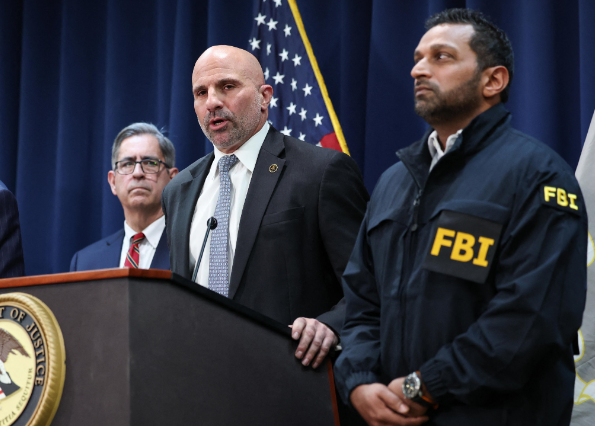
Pentagon Expands Leak Investigation as Senior Military Officials Face Polygraph Tests
Chief Pentagon spokesman Sean Parnell emphasized the seriousness with which the Department of Defense regards leaks of classified national security information in a statement to CBS News. He noted that while the Department does not comment on internal personnel or investigative matters, it conducts investigations into such leaks diligently as securing classified information is vital for the security of the United States and its deployed troops.
Additionally, it was reported by a senior Pentagon official that not all senior military officials participated in the testing, specifically mentioning that Gen. Dan Caine, the chairman of the Joint Chiefs of Staff, was not subjected to a polygraph examination.

The New York Times reported on the polygraph tests related to information leaks during the Iran war. As the conflict progressed, CBS News and other outlets highlighted concerns regarding the rapid depletion of advanced U.S. munitions. In July, Defense Secretary Pete Hegseth announced the formation of a joint task force between the Pentagon and the Justice Department aimed at identifying and prosecuting individuals suspected of leaking sensitive information to the press.
This initiative significantly broadened a prior effort initiated within Hegseth office. The Pentagon Office of General Counsel, under Earl Matthews, was granted extensive authority to obtain information, records, and assistance for conducting leak investigations. Pentagon personnel were directed to prioritize these requests, committing to respond within a two-day timeframe.
Leak Investigation Expands as DOJ Reverses Reporter Subpoenas
The announcement of a task force reflects the urgency following a leak of department information, highlighting the necessity for swift communication with the Department of Justice (DOJ) and federal law enforcement partners, including the FBI. Hegseth emphasized the potential danger posed by leaked information, stating it “risks lives.”
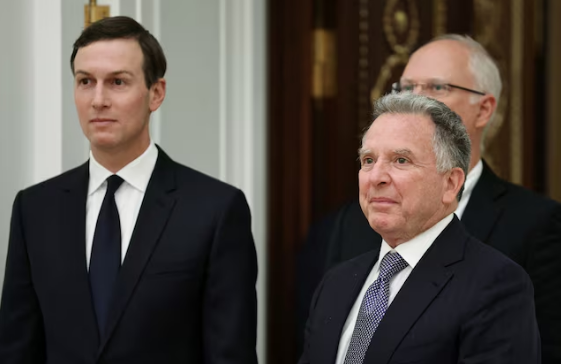
This response from the DOJ came shortly after they had issued subpoenas to several New York Times reporters concerning security issues related to President Trump Qatari-donated Air Force One. However, the DOJ later rescinded these subpoenas after intense scrutiny during a court hearing, where a U.S. district judge questioned the need for such actions before further investigatory steps were taken.
Additionally, polygraphs are routinely administered to government officials with access to top-secret files or “special access programs” to maintain their security clearance. The planned polygraph testing this summer suggests an active investigation, although the FBI was not involved in these tests, as confirmed by informed sources. The military maintains its own investigative body for handling such matters.
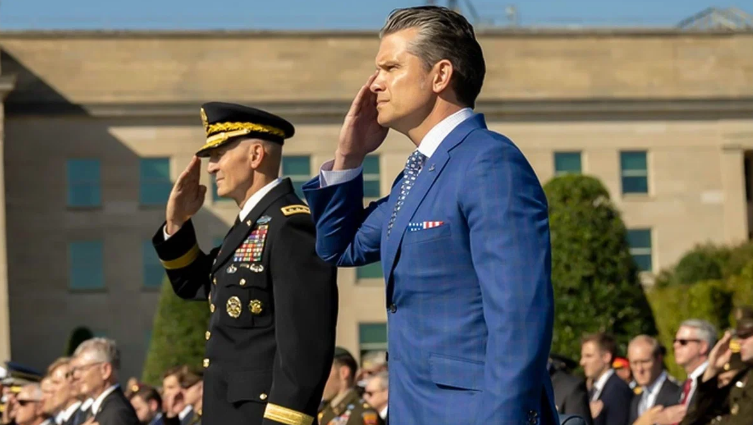
Secretaries of defense possess the authority to oversee counterintelligence investigations that may involve polygraph examinations, as outlined by federal law and Pentagon regulations. These regulations establish clear limitations on the circumstances in which polygraphs can be administered, necessitating the consent of the individual being examined or a specific request for the test. Such situations arise particularly when investigators need to clarify serious information discovered during a security investigation or when individuals wish to exonerate themselves from allegations or evidence brought forth in an investigative context.
Federal law mandates that a defense secretary ensure the use of polygraph examinations within the Department of Defense is conducted in a “responsible and effective” manner. Additionally, there is an obligation to inform congressional bodies about the instances and methods of polygraph usage, thereby ensuring transparency and accountability in their application. These stipulations are designed to safeguard the rights of individuals while maintaining the integrity of security investigations within the defense framework.
For Hegseth, the recent initiative to use polygraphs represents a recurring response to concerns regarding leaks within the Pentagon. Following the dismissal of Gen. C.Q. Brown, Hegseth expressed anger over a breach of confidentiality related to a classified briefing about China, which was organized for Elon Musk at the Pentagon and subsequently leaked to the media, according to The Wall Street Journal. The report indicates that Hegseth confronted Adm.
Christopher Grady, who was the acting chairman of the Joint Chiefs at that time, demanding to know how he could be certain Grady was not the source of this leak. In a heated exchange, Hegseth reportedly suggested the use of a polygraph, insisting, “I’ll hook you up to a f ing polygraph!” Ultimately, the article states that Grady was not subjected to a polygraph test, and Hegseth alleged that others were involved in the leak, including Lt. Gen. Doug Sims, the director of the Joint Staff, who also faced the threat of a polygraph examination.
Recently, Republican criticism has emerged regarding Pentagon Secretary Mr. Hegseth management, particularly from Senator Thom Tillis of North Carolina, a member of the Senate Armed Services Committee. In a recent social media post, Tillis articulated his discontent, stating, “I have never witnessed more inept management of the brave men and women who serve our country,” and urged President Trump to consider replacing Hegseth.
Tillis condemned Hegseth tendency to focus on “culture wars” rather than effectively addressing critical elements of national defense and the welfare of military personnel. Interestingly, despite his current criticism, Tillis had previously supported Hegseth nomination, which he had initially approached with reservations, during the confirmation process in early 2025.
Pingback: Pentagon: Leak Hunt Escalates as Sweeping Polygraph Tests Raise Fresh Questions - internationalmediawire.com