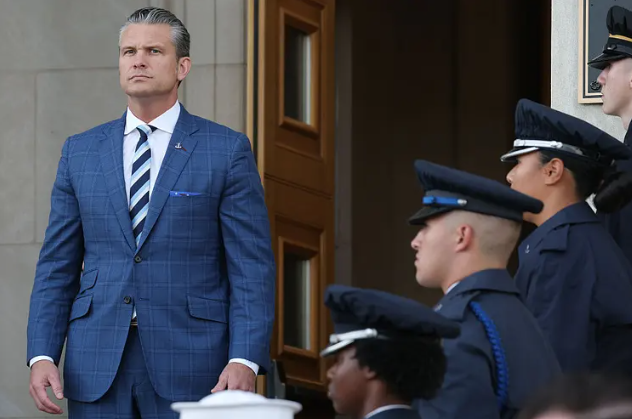
In August, the Pentagon conducted polygraph tests on approximately 50 military officers and civilian employees as part of an unprecedented investigation into leaks regarding the nation diminishing stockpiles of munitions. This inquiry follows revelations related to the U.S. military resources amidst ongoing tensions in Iran. The initiative was announced by Defense Secretary Pete Hegseth in July, when he declared the formation of a joint task force with the Department of Justice aimed at identifying and prosecuting unauthorized disclosures of sensitive information to the media.
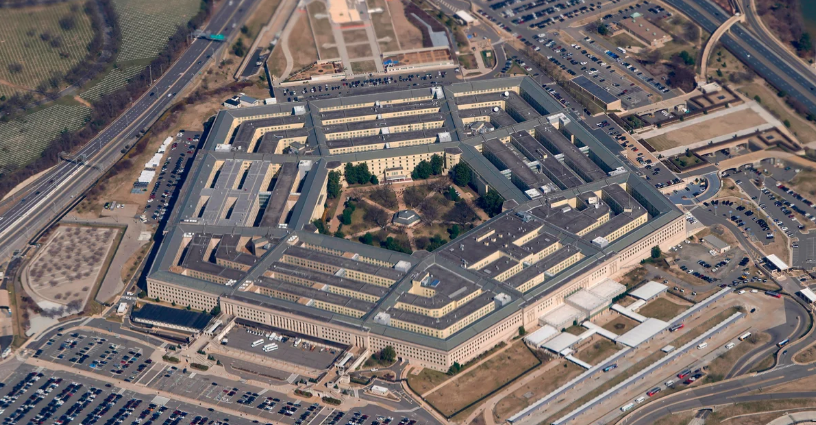
Democratic Rep. Jason Crow of Colorado criticized the investigation, asserting that Congress has not been informed about the alleged leaks and suggesting that the probe is part of an overarching effort by Hegseth to instill fear and restrict information flow from the Pentagon. In response, the Pentagon, through spokesman Sean Parnell, emphasized the seriousness with which it regards breaches of classified information, stating that securing such information is essential for the United States security and that of its troops deployed globally.
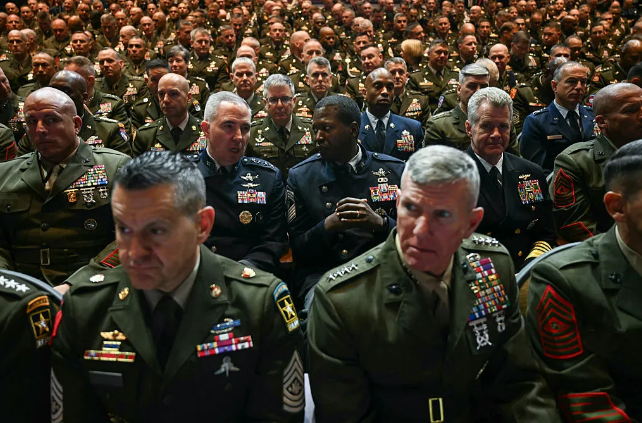
The Times reported that, alongside the August tests, several dozen officials were interrogated earlier in the summer, including personnel from the U.S. Central Command. This rigorous investigation highlights the Pentagon commitment to addressing and mitigating unauthorized disclosures which could compromise national security.
Why did the Pentagon Polygraph dozens of officials?
The Pentagon decision to polygraph dozens of officials arises from concerns regarding critical munitions supplies in the U.S. According to sources, significant stockpiles of key military assets, including long-range precision-guided missiles and air-defense interceptors, have reached dangerously low levels, exacerbated by ongoing conflicts such as the war with Iran. Reports indicated that former President Trump confronted Pete Hegseth during a meeting at Camp David on July 31, accusing him of misleading the administration about these shortages potentially affecting military options in Iran.
Contrary to these concerns, Trump publicly denied any evidence of shortages in a Truth Social post on August 6, asserting that the U.S. possesses substantial munitions and that ongoing manufacturing efforts will suffice. He further threatened long prison sentences for those leaking information about munitions to the media, dubbing such leaks as “treasonous.” On the same day, he dismissed reports of his clash with Hegseth as “completely unfounded rumors,” reaffirming his satisfaction with Hegseth role.
Trump denunciation of media narratives surrounding munitions shortages intensified on September 3, labeling the outlets as “treasonous scum” for their reporting. In contrast to his claims, the Center for Strategic and International Studies (CSIS) reported at the end of July that the inventories of missile interceptors have been declining, notably with Patriot missile stocks falling below 1,000 and Terminal High Altitude Area Defense (THAAD) systems around 250.
The secrecy surrounding U.S. weapon inventories is justified, as highlighted by Harrison Mann, a former defense intelligence official. He emphasized that the disclosure of significant ammunition shortages could adversely affect U.S. deterrence strategies, revealing vulnerabilities to adversaries such as Iran. Nevertheless, Mann acknowledged that any shortages are likely perceptible both to the public and to foreign entities, indicating the complexities surrounding the administration narrative on military readiness and munitions availability.
Mark Cancian, a senior adviser at the Center for Strategic and International Studies (CSIS), asserts that informed analysts, using available production data and battlefield expenditure observations, can formulate reliable estimates regarding U.S. ammunition usage, albeit not with Pentagon-level precision. He highlights that while even non-sensitive information can yield meaningful insights, adversaries like China, equipped with vast intelligence resources and capabilities, can produce significantly more accurate assessments.
Cancian supports his argument with reference to a report his team compiled concerning the alarming depletion of U.S. munitions, relying solely on unclassified information. This context illustrates the increasing ease with which nations can gauge military stocks and capabilities, raising concerns about the strategic implications of such transparency.
What Pentagon polygraph rules require and what the tests found
The Pentagon follows specific guidelines for administering polygraph tests, primarily utilized during pre-employment and vetting processes for intelligence agencies like the National Security Agency (NSA) and the Defense Intelligence Agency (DIA). These tests are also conducted for personnel seeking or maintaining access to classified information and in cases of unauthorized disclosures.Key requirements of the Pentagon polygraph rules include obtaining the examinee written consent and allowing them to terminate the examination at any point.
For issue-specific counterintelligence examinations, it is mandated that investigators have conducted an interview with the individual, possess reasonable belief of their involvement in the matter under investigation, thoroughly pursue other investigative avenues, and establish that the polygraph is essential to the inquiry. Additionally, the Defense Secretary is responsible for monitoring the ethical and efficient use of polygraphs, as well as providing relevant information to congressional defense committees.
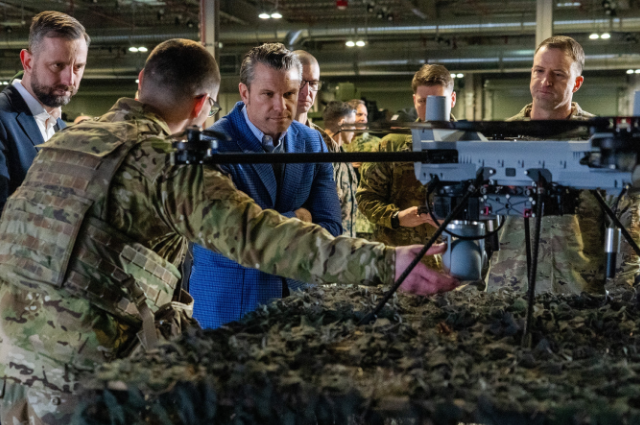
There has been a lack of transparency regarding whether these guidelines were strictly adhered to during recent investigations, as the Pentagon has not released sufficient information to clarify adherence to its standards or the findings of these investigations. CBS News reported that no officials failed the questions designed to ascertain if there were media leaks involving classified information.
The polygraph tests reportedly included extensive questions about national security, which, according to The New York Times, involved inquiries into whether officials had disclosed sensitive information to the press or provided information regarding diminishing munitions inventories. Sources indicated that the intention of these tests was not merely to identify potential leaks but also to act as a deterrent against future disclosures of classified information to media outlets.
How unusual are polygraphs in Pentagon leak investigations?
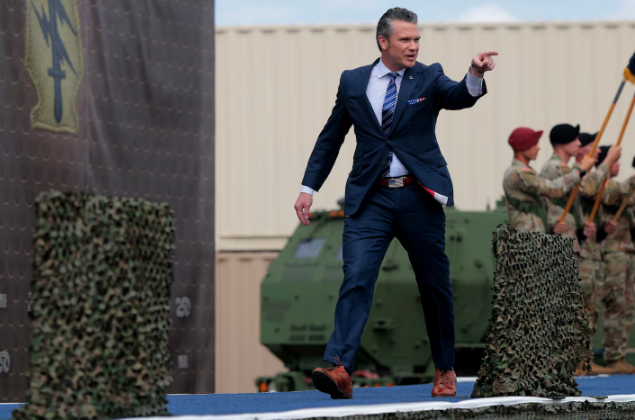
The use of polygraphs in Pentagon leak investigations is uncommon due to the broad range of individuals targeted during these inquiries, as noted by officials. David Pozen, a law professor, references his Harvard Law Review article discussing the periodic recommendations for the White House to implement more rigorous leak investigation measures, including regular polygraph use and requiring government employees to notify before speaking with the press.
This practice was notably enacted during Ronald Reagan presidency in 1983 when he authorized polygraph testing for unauthorized classified disclosures, with the stipulation that results alone could not be used for employee discipline.Subsequent administrations have also explored or utilized polygraphs in similar contexts. For example, during George W. Bush tenure, the FBI interviewed almost 100 congressional intelligence committee members regarding leaks connected to the September 11 attacks, frequently inquiring if they would consent to polygraph tests, though most declined.
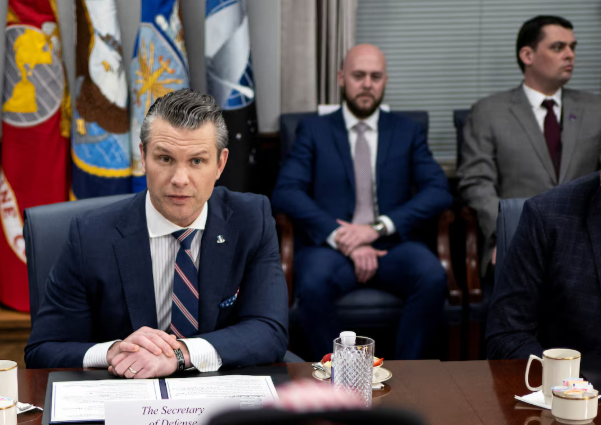
While publicly documented instances involving numerous senior military officials are rare, the Trump Administration adopted polygraph testing in related investigations.In early 2025, the Department of Homeland Security conducted lie detector tests targeting personnel suspected of leaking plans for immigration raids, while multiple staff members from Defense Secretary Pete Hegseth office underwent polygraph testing linked to a leak investigation.
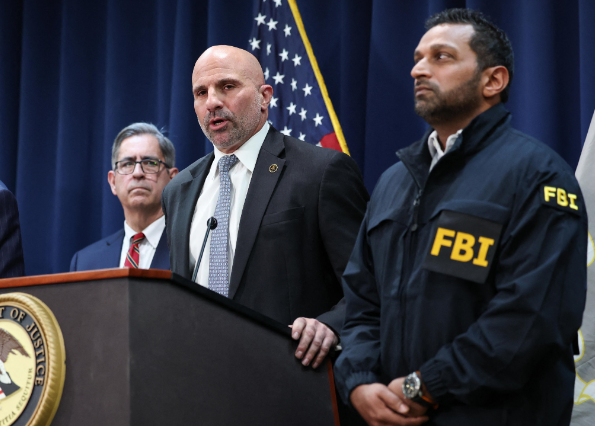
Under Director Kash Patel, the FBI initiated the use of polygraphs in leak inquiries in 2025, testing over two dozen current and former members of Patel security detail alongside IT employees to identify leak sources. Despite these events, the scale of polygraph usage in Pentagon investigations, particularly among senior military personnel, remains notably unusual compared to intelligence agencies, according to Cancian.
How the Pentagon polygraph hunt could affect future disclosures
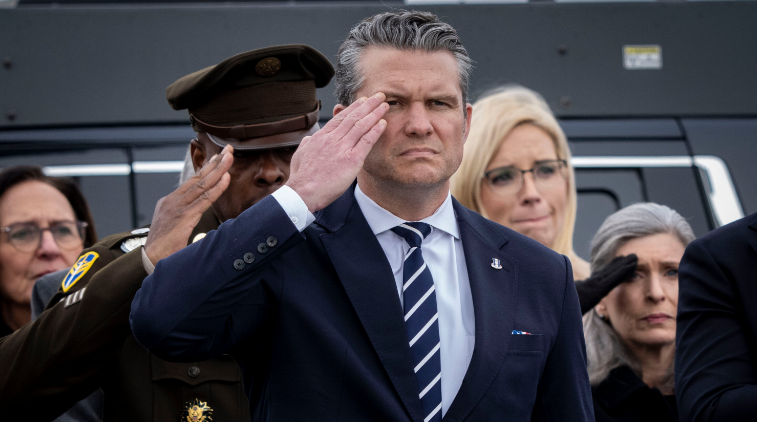
The Pentagon recent utilization of polygraph tests highlights an ongoing investigation into potential information leaks within its ranks, showcasing a keen interest from senior officials in fostering an environment conducive to candid discussions without the fear of disclosure to the media. Analysts like Cancian note that this initiative stems from a long-standing concern across administrations regarding leaks, with current officials particularly anxious about the subject. This atmosphere has reportedly led to smaller meetings with fewer attendees as officials opt for privacy over potential exposure.
Mann emphasizes the limitations of polygraph tests, describing them as “inconclusive” and prone to false positives, which diminishes their effectiveness in genuinely curbing leaks. Despite this, such testing functions effectively as an intimidation tactic, discouraging personnel from sharing sensitive information. Many individuals express apprehension about participating in routine polygraph examinations, fearing that anxiety could result in failure, subsequently jeopardizing their careers or clearance status.

The motivation behind this polygraph initiative is further scrutinized, particularly regarding Hegseth leadership approach amidst the backdrop of military actions in Iran. Mann posits that Hegseth tactics appear to prioritize personal loyalty over operational efficiency, potentially compromising the readiness and effectiveness of the Pentagon functions. As external pressures mount, including calls for Hegseth replacement from political figures like Senator Thom Tillis, the implications of this polygraph hunt extend beyond mere investigation, signaling a broader trend of increasing scrutiny and control within the Pentagon bureaucracy.
Pingback: A24 Secret Elizabeth Holmes Documentary Revealed as Nathan Fielder Drops Bizarre Trailer - internationalmediawire.com