Trump Republicans As the 2026 midterm campaign officially begins its final push post-Labor Day, the Republican Party, intertwined with former President Donald Trump leadership, faces increasing challenges. A significant factor undermining their prospects is Trump persistent unpopularity, which poses a serious threat to the GOP ability to retain their slim Congressional majorities. Analysts suggest that midterm elections typically serve as a referendum on the current president, a perception that resonates even more strongly against the backdrop of Trump extensive influence on American politics over the past decade.
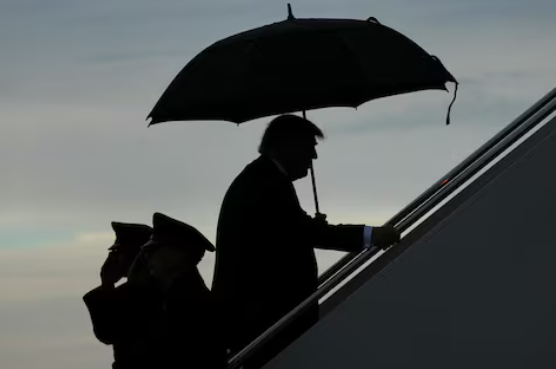
The party must navigate these turbulent waters carefully as they approach the November elections, where the political landscape could heavily lean against them due to Trump contentious legacy and the prevailing public sentiment. The upcoming weeks are critical, and the warning signs of trouble for Republicans continue to mount as they gear up for this crucial electoral period.
If Democrats secure a majority in the U.S. House of Representatives, they intend to initiate critical investigations into former President Trump administration, attributing its actions to corruption. This scenario would also compel the White House to negotiate on significant legislative issues. Concurrently, the battle for Senate control remains tightly contested; however, a Democrat-led Senate could obstruct many of Trump nominations, especially for the Supreme Court, should a vacancy arise.
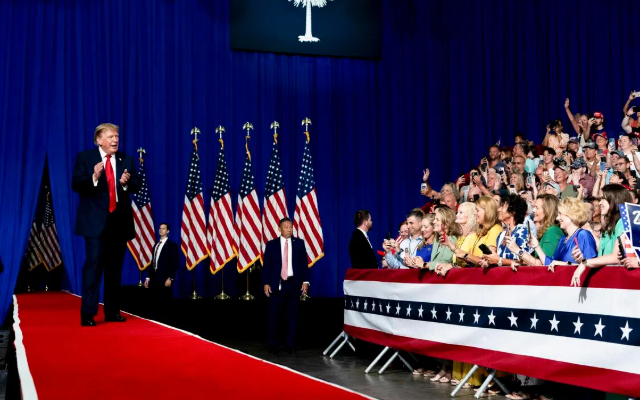
Despite internal divisions within the Democratic Party stemming from ideological differences between the center and the left Trump declining popularity has emerged as a significant challenge for Republicans, creating a complex political landscape.
- Trump approval at all-time low in Reuters/Ipsos poll
- Democrats favored to retake House, analysts say
- House win could open door to probes of Trump
- Senate control remains too close to call, analysts say
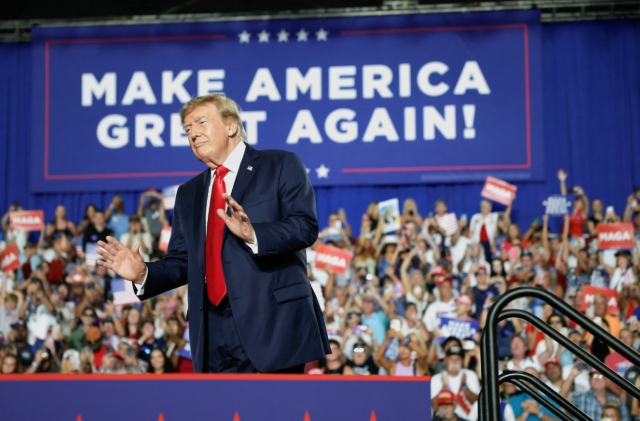
The latest Reuters/Ipsos poll indicates that former President Donald Trump approval ratings have reached an all-time low. This decline in approval may impact the upcoming elections, with analysts suggesting that Democrats are favored to regain control of the House of Representatives. A Democratic victory in the House could potentially lead to increased scrutiny and investigations into Trump actions and policies during his presidency.
Meanwhile, the battle for Senate control is too close to call, making the overall political landscape uncertain as the elections approach.His approval ratings have reached a historic low, as indicated by the latest Reuters/Ipsos survey, revealing widespread dissatisfaction among the public regarding both the ongoing war in Iran and the state of the economy.
Notably, his net disapproval rating has nearly doubled compared to the same period in 2018, a year when Democrats successfully gained 40 seats in the House. Furthermore, Democrats currently exhibit greater enthusiasm for voting compared to Republicans, a trend supported by strong Democratic turnout observed in recent special and primary elections. Among registered voters, there is a preference for Democratic candidates over their Republican counterparts by a margin of five percentage points.
Democrats find themselves in a historically advantageous position, as evidenced by a trend where the incumbent president party has consistently lost seats in the House during midterm elections, with only two exceptions since 1938. Jessica Taylor, a Senate analyst at the Cook Political Report, highlights a prevailing sentiment among voters, noting that many perceive the president as neglectful of their primary concern affordability.
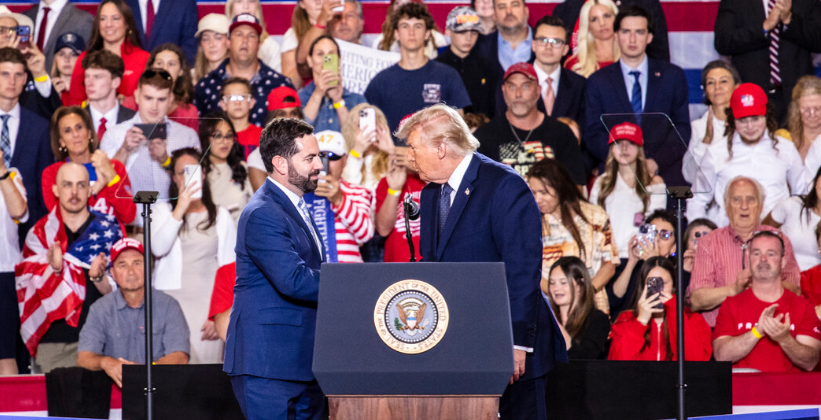
This discontent manifests itself in the electoral process, where votes against the president party become a crucial outlet for expressing dissatisfaction during midterm elections.Democrats are currently grappling with challenges as progressive candidates, including democratic socialists, are winning against establishment-backed moderates in various intraparty elections. This shift has led to concerns regarding the party leadership, messaging, and overall unity. Meanwhile, Republicans maintain significant structural advantages.
With a slim majority of 218-214 in the House of Representatives, they could potentially gain an additional 10 seats due to redistricting changes that followed an unprecedented mid-decade redistricting effort. As the November 3 election approaches, all 435 House seats and approximately one-third of the 100 Senate seats will be contested, setting the stage for a crucial political battle.

Winning In Trump Country (Republicans)
Republicans The article “Winning in Trump Country” discusses the challenging landscape for Democrats in the upcoming Senate races. Despite potential victories in Georgia, Maine, Michigan, and North Carolina, Democrats would need to secure at least two states that Trump won by significant margins in 2024 namely Alaska, Iowa, Ohio, and Texas. An incident at a fair near Youngstown, where an armed individual targeted the Democratic gubernatorial candidate for Ohio, Amy Acton, underscores the heightened tensions surrounding this election cycle.
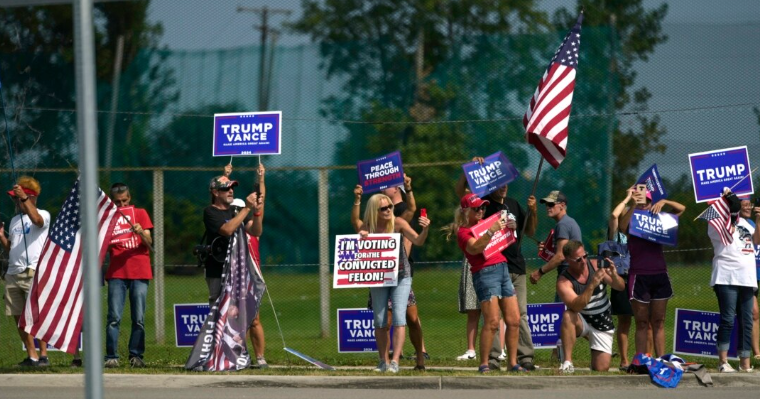
While Democratic candidates have been successful in fundraising at a national level, they still lag behind Republicans in overall financial support, with Republican national party committees and super PACs outpacing their Democratic equivalents. Notably, Trump super PAC boasts a substantial $400 million in financial resources.
Jesse Ferguson, a Democratic strategist, asserts that although Democrats are likely to win the national popular vote, structural barriers may hinder their ability to secure a majority in the Senate. Republicans, including Trump, have actively framed Democrats as extreme leftists, using figures like Abdul El-Sayed, the progressive Senate nominee in Michigan, as examples of this perceived radicalism.
House Speaker Mike Johnson has described this election year as one focused on contrasting “common sense” with what he calls “crazy,” reflecting an attempt to capitalize on the frustrations over affordability and the impact of Trump policies in states with key Senate races. The effectiveness of these attacks remains uncertain as both parties navigate a complex electoral environment marked by deep political divisions.
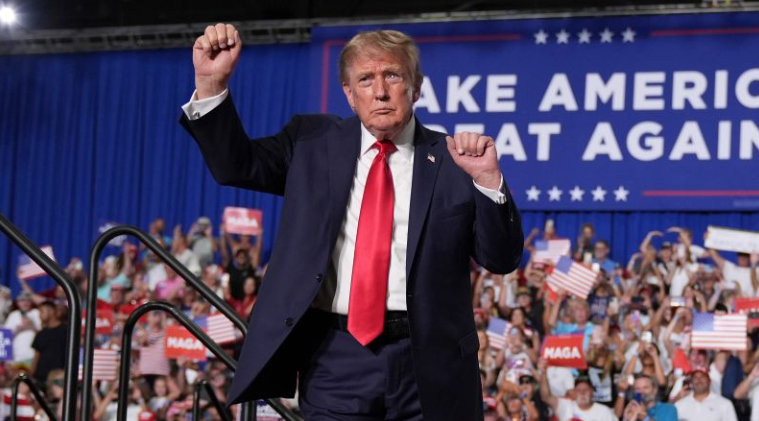
In Iowa, farmers are struggling with escalating energy costs and the effects of President Trump tariffs, while Texas cattle ranchers express frustration over his decision to lift import taxes on foreign beef. Meanwhile, Michigan and Maine may face challenges due to the ongoing trade conflict with Canada, exacerbated by Trump policies. In an effort to revitalize party support, Republicans are convening for an unusual midterm convention, which aims not only to re-energize the base but also to remind constituents of the accomplishments attributed to Trump, such as tax cuts.
However, with Trump speaking prominently at the event, there are concerns that this might link vulnerable Republicans too closely to the president, potentially harming their electoral prospects.Key campaign themes in the lead-up to Election Day, which is still eight weeks away, include not only affordability and the trade war but also healthcare issues, the situation in Gaza, and discussions surrounding data centers.

Political analysts point out that Trump ability to shift the political narrative is significant, yet there are doubts about whether Republicans can effectively change voters’ prevailing negative perceptions of the economy at this late stage in the campaign. Kyle Kondik, an elections expert at the University of Virginia Center for Politics, emphasizes the critical nature of enthusiasm for Republican candidates, questioning whether increased voter passion can translate into a favorable outcome, especially amidst concerns that Trump declining approval ratings may be detrimental to party prospects.
Pingback: Supreme court Mail-in Ballots: Court Rejects Trump Mail In Ballot Restrictions as Supreme Court Weighs Final Decision - internationalmediawire.com