Sweden Centre-Left: In the recent Swedish general election, the left-wing political bloc has emerged as the frontrunner, leading in the race to form a new government according to exit polls conducted by public broadcasters SVT and TV4. The coalition, comprising four parties, is projected to secure approximately 51.3% of the vote compared to 46.8% for the right-wing bloc, which includes the conservative party led by current Prime Minister Ulf Kristersson and his far-right allies, the Sweden Democrats (SD). This election marks a significant turning point as it is anticipated to be the first time the Sweden Democrats, a party founded in 2010 with controversial neo-Nazi roots, will see a decline in their support.
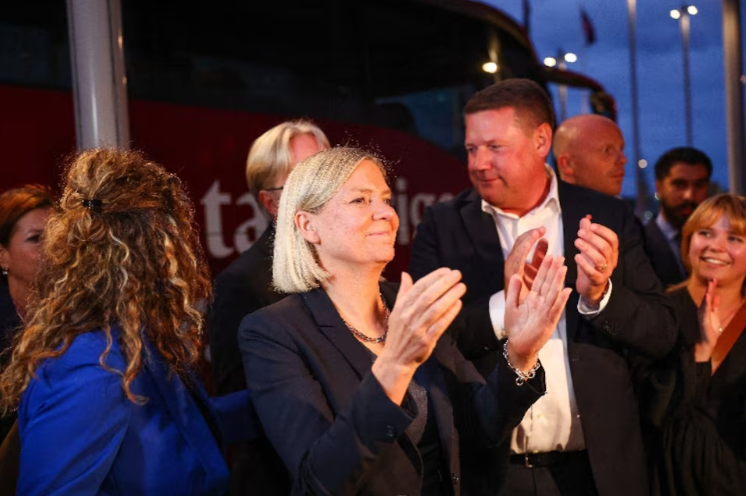
The possibility of Magdalena Andersson, leader of the Social Democrats, resuming her role as prime minister is heightened, as her party backs the centre-left coalition. This would represent a return to leadership after she previously held the position from 2021 to 2022. The political landscape in Sweden is characterized by two major blocs, each containing four parties, making coalition and minority government formations common practice.
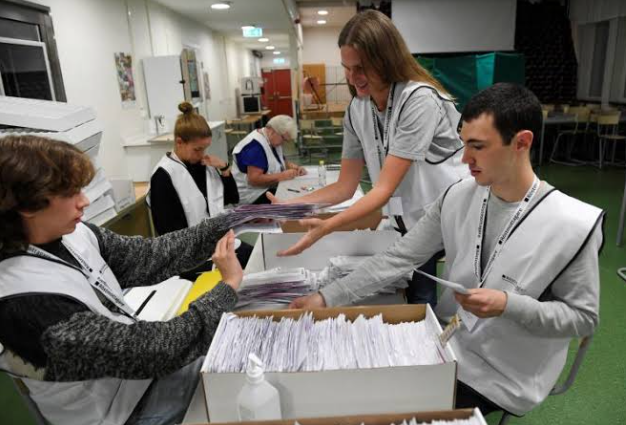
With polls closing at 8 p.m. local time, early results from the Swedish Election Authority are expected shortly thereafter, confirming whether the exit poll predictions hold true. The dynamics in the Swedish political arena reflect a shift, potentially altering government composition and implications for future political strategies, especially for the hard-right faction that has been a fundamental part of the recent government. Overall, the election results indicate a possible resurgence for the centre-left as the right faces a significant setback.
If confirmed by official results, the centre-left lead in the recent Swedish election would mark a significant pause in the country shift towards right-wing politics and its departure from liberal traditions. Analysts viewed this election as a crucial referendum on the Sweden Democrats, a party with origins in the neo-Nazi fringe. Although exit polls often provide a glimpse into potential outcomes, their accuracy can be questionable.
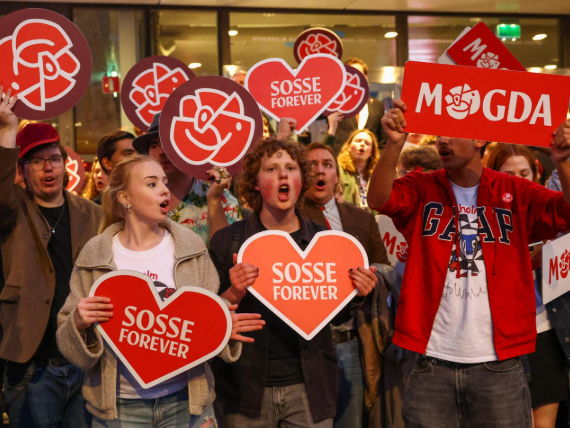
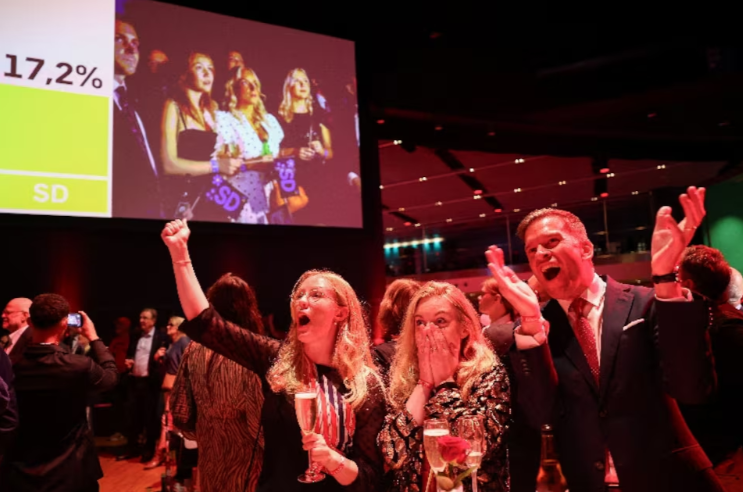
For example, in the 2022 elections, an exit poll suggested that Magdalena Andersson bloc would win, yet a right-wing coalition led by Ulf Kristersson emerged as the victor, resulting in Kristersson becoming Sweden prime minister. As the latest exit poll results were announced, there was jubilant celebration among centre-left party supporters, contrasting sharply with the subdued reactions at the far-right Sweden Democrats’ events, indicating a potential decline in their increasing vote share from previous elections.
The recent exit poll results indicate that Magdalena Andersson is poised to become Sweden prime minister, as reported by Tobias Baudin, the Social Democrats’ party secretary. The centre-left bloc is projected to secure 183 seats, surpassing the 175 required for a majority, while right-wing parties are anticipated to win 166 seats. Political scientist Marie Demker from Gothenburg University highlighted a public desire for change, emphasizing that the complexities arising from the distinct “red lines” set by various parties would need to be navigated in the near future.
There is notable apprehension among Swedes regarding Ulf Kristersson intent to impose stricter migration limits, as well as his pre-election commitment to include the Sweden Democrats in government, which many view as excessive. Henrik Vinge, deputy leader of the Sweden Democrats, acknowledged the dissatisfaction with the current projections but noted that these results are not yet definitive.
The recent political landscape in Sweden reveals notable dynamics surrounding Prime Minister Ulf Kristersson government, which has faced a challenging opinion poll trajectory during his four-year term. While Kristersson has been trailing, he has recently gained ground in the final weeks of campaigning, particularly as opposition leader Magdalena Andersson and her Social Democrats appear to be losing support. Critics have raised concerns that Kristersson administration is encroaching on civil liberties and imposing stringent cultural conformity measures on immigrants.
These measures are seen as both inducements and penalties designed to ensure immigrants align more closely with Swedish societal norms or risk expulsion. Furthermore, a potential electoral triumph for the Sweden Democrats is viewed favorably by rising far-right factions across Europe, especially following the successful performance of the anti-immigrant Alternative for Germany in recent state elections. The far-right is bolstered by these developments and anticipates significant gains across future European elections, such as the National Rally campaign for the French presidency, which is regarded as a critical turning point in the political landscape.
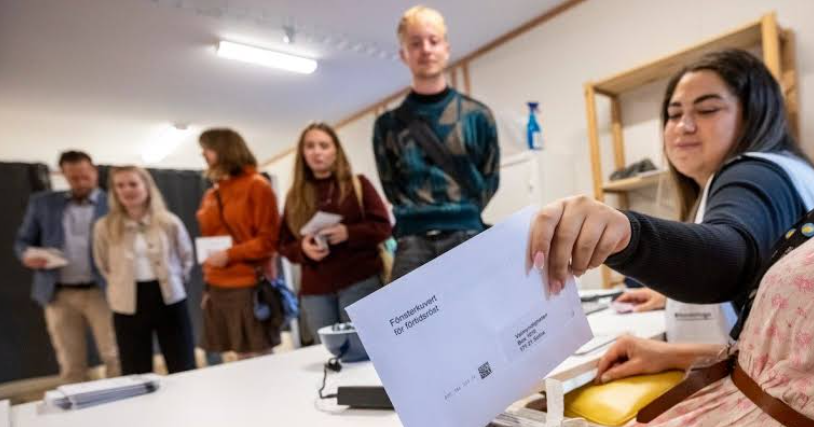
Sweden parliament expected number of seats 2026
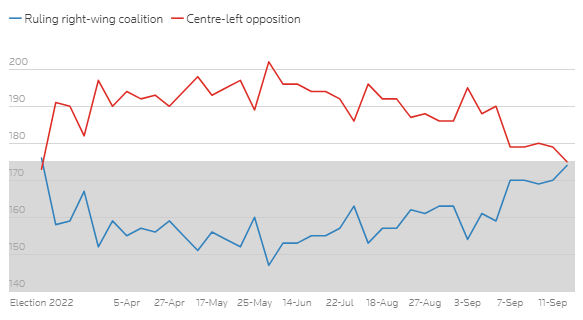
In 2026, the Swedish parliament is expected to undergo a significant change in the number of seats. This year is projected to see a shift in representation, which may affect the political landscape. The reporting on this subject has been conducted by a collaborative team from Reuters, including various reporters who have contributed to provide a comprehensive perspective. The editorial efforts by notable individuals further enhance the quality of information shared. While specific numbers and detailed forecasts are not provided in the initial report, it indicates a trend towards reevaluation of representation as part of an evolving democratic process in Sweden, which can have implications for future governance and legislative agenda.
Pingback: DOJ Charges Utah Postal Worker Accused of Dumping 300 Mail-In Ballots in Trash - internationalmediawire.com