Global Energy Supplies: Oil prices are expected to rise significantly in response to heightened tensions in the Middle East, as recent attacks on Saudi Arabia and vessels in the Gulf raise concerns about the security of global energy supplies. Over the weekend, an attack on a Saudi oil pipeline and aggressive moves by Yemen Houthi rebels have exacerbated fears over potential wartime disruptions to oil production and transportation from Saudi Arabia, the world largest oil exporter. This sequence of events has left oil traders on edge, anticipating a volatile market when trading resumes on Monday.
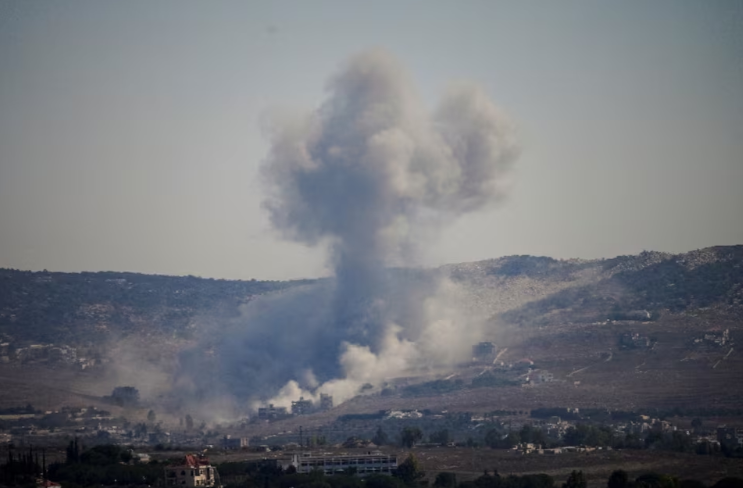
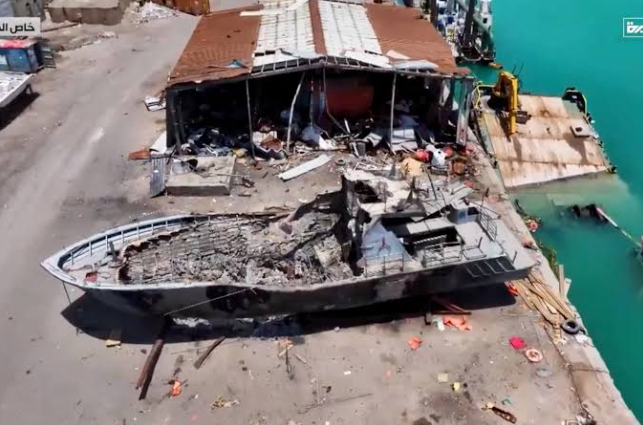
Global Energy The UK Maritime Trade Operations (UKMTO) reported that a vessel was hit by a projectile in the Strait of Hormuz, resulting in a fire and necessitating the evacuation of the crew. In contrast, Iranian officials confirmed one fatality and four injuries among the crew of an Iranian commercial vessel affected by the incident near its coast. In Saudi Arabia, state media showcased video evidence of damage inflicted on residential areas and a mosque due to a recent cross-border attack attributed to the Houthis in the Jazan province.
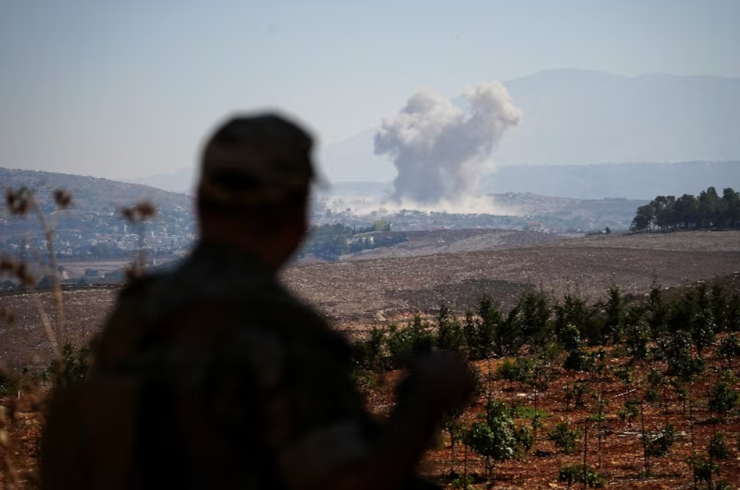
The Houthis separately claimed responsibility for an attack on a Saudi military base in a nearby province. The southern cities of Saudi Arabia have been subject to frequent alerts since the previous week, culminating in drone strikes on a key pipeline that spans 1,200 kilometers (745 miles) across the Arabian Peninsula. This pipeline has historically functioned as the principal route for global oil supplies from the Middle East, circumventing the Strait of Hormuz.On the same day, the Houthis took control of Perim Island, located in the Bab El-Mandeb strait, often referred to as the “Gate of Tears.” This strait is strategically significant as it regulates access to the Red Sea. Global Energy
U.S. Diesel Prices Hit Another Record
Global Energy U.S. diesel prices have reached an all-time high, surpassing $6.20 per gallon, amid a surge in oil prices that crossed the $100 mark for the first time since July. Traders report that Saudi Arabia has limited oil reserves stored at its Red Sea port in Yanbu, sufficient for only five to seven days of exports if a recently struck pipeline remains inactive. This situation raises concerns that up to 4% of the global oil supply could be at risk, compounded by ongoing disruptions in traffic through the Strait of Hormuz, which have already resulted in the loss of millions of barrels daily.

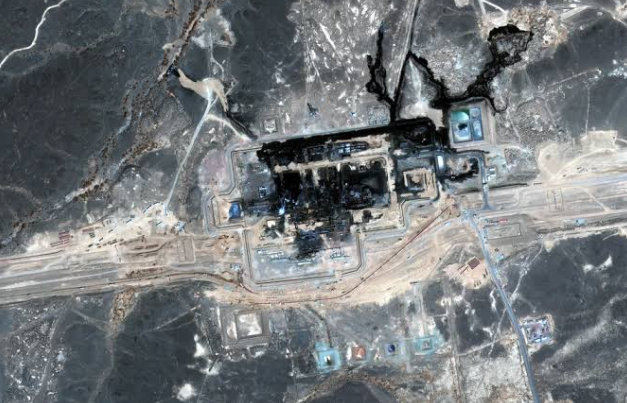
Saudi Arabia has not disclosed specific information regarding the extent of damage to its pipeline or the anticipated duration of its offline status. Reports from various sources that spoke to Reuters present conflicting estimates for the repair time, with predictions varying from a few days to several weeks. Additionally, satellite imagery indicates significant plumes of smoke emanating from various points along the pipeline. Global Energy
Talks in Oman Postponed
Global Energy After a brief period of reduced activity in August during which Middle Eastern oil flows increased modestly, the past two weeks have witnessed a significant intensification of the conflict initiated by the United States and Israel six months ago. The situation has deteriorated further, with no peace discussions occurring since the collapse of an interim agreement in June, which was short-lived. In a notable move towards diplomacy, Iranian officials have announced their intention to participate in an upcoming meeting scheduled for Monday with Gulf Arab states in Oman.
This meeting is poised to address an agreement that Iran claims to have established with Oman, focusing on the governance of future shipping routes through the strait.Oman foreign minister, Sayyid Badr Albusaidi, announced the postponement of a regional meeting aimed at fostering dialogue and stability, emphasizing consensus as the reason for the delay. Reports from Iran Fars news agency indicate that the postponement was requested by several regional countries, a decision collaboratively made by Tehran and Muscat. Iran plans to work with Oman to establish a new date for this crucial meeting. Global Energy
The meeting was expected to feature delegations from Iraq, Saudi Arabia, and Qatar, with their foreign ministers attending. A senior Iranian official noted that discussions would revolve around the Strait of Hormuz and other pertinent issues, but anticipated that no formal agreement to reopen the strait would emerge from this forum. Global Energy
Global Energy Additionally, Bahrain has stated that it will not engage with Iranian representatives.Iran Foreign Minister, Abbas Araqchi, expressed in an interview that the strait would not be reopened unless the United States addresses Iran demands, reflecting Tehran strategic posture regarding its negotiations and regional relations.
Houthi Advances Pose New Challenge for Washington
The ongoing conflict in Yemen, marked by significant advancements made by the Houthis, presents a complex challenge for Washington, particularly following President Donald Trump initiation of “Operation Epic Fury” aimed at curtailing Iran nuclear ambitions and destabilizing its regime. Despite extensive military and economic pressures from the U.S., Iran has demonstrated resilience, leveraging its situation to potentially strengthen its authority, particularly through the capability to charge fees for maritime traffic in the Strait of Hormuz.
Global Energy The situation is further complicated by recent attacks on Saudi Arabia, which force U.S. policymakers to navigate a precarious balance: they must support their Saudi allies while avoiding deepening military involvement in another regional conflict. This challenge also extends to Gulf states, which face the uncomfortable options of enduring escalating economic hardships or pursuing engagement strategies with Iran to mitigate tensions.
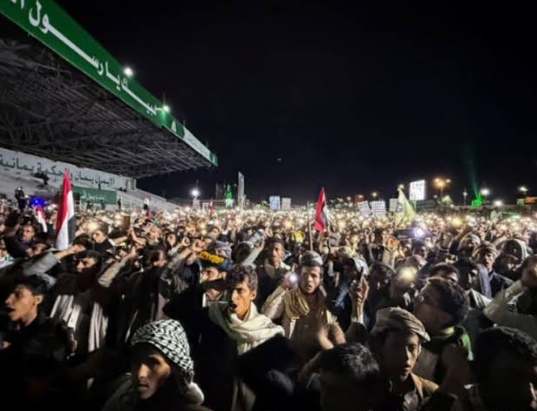
The Houthis, a group of mountain fighters who seized Yemen capital in 2014, have been engaged in conflict with a Saudi-led coalition for over a decade. However, their involvement in the broader Middle East conflict has intensified recently, particularly with their advancements along the Red Sea coast, marking a significant surge in fighting in Yemen in years.
In 2025, the United States conducted airstrikes against the Houthis for two months before President Trump called a halt to the operations, citing a reduced threat to Red Sea shipping. Recent communications reveal that Crown Prince Mohammed bin Salman of Saudi Arabia reached out to Trump, seeking military assistance against the Houthis, but was only offered intelligence support. Trump confirmed this exchange and also noted that the Houthis had contacted the U.S. administration, requesting that the U.S. refrain from further involvement in the Yemen conflict.
Pingback: Oil Prices Surge Above $108 as Saudi Attacks and Hormuz Crisis Threaten Global Supplies - internationalmediawire.com
Pingback: Saudi Arabia Raises Security Alerts as Houthi Attacks Intensify Across the Kingdom - internationalmediawire.com