President Donald Trump has downplayed the necessity for regulatory measures on artificial intelligence (AI) development, expressing concern that America may lose its competitive advantage over China in this domain. In a statement made on Sunday, Donald Trump acknowledged the potential risks associated with advancing technology but emphasized that maintaining leadership in AI is crucial to mitigating these threats. While he conceded that some regulation might be required, he did not provide any specific proposals.
Donald Trump attributed the urgency of regulatory calls to “negative forces” without specifying who or what these forces are, despite warnings from industry leaders regarding the rapid pace of AI development and the lack of adequate oversight.Donald Trump expressed concerns during a recent trip to Ireland, stating that there are many negative influences shaping discussions around artificial intelligence. He emphasized the importance of setting boundaries but suggested that certain issues being raised are unlikely to materialize. Ultimately, he asserted that triumph in the realm of AI will be determined by who can leverage its advantages effectively.
Asked about the potential risks of artificial intelligence (AI) on Sunday, former President Donald Trump clarified that he was not downplaying these risks. He emphasized his belief that AI would ultimately produce more positive outcomes than negative ones. This assertion was made during a conversation with reporters while he was returning to Washington. Donald Trump comments come in the context of growing concerns in the tech industry regarding the rapid development of AI technologies.
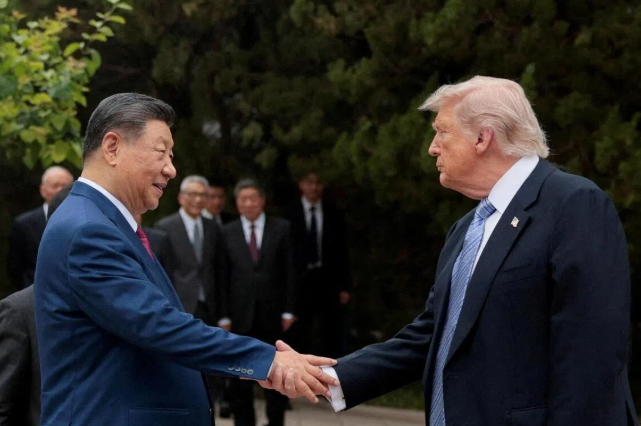
Just a day prior, Dario Amodei, the CEO of Anthropic, urged the industry to slow down its advancements to ensure that safety measures can properly keep pace with the technology. Notably, other prominent figures in the tech field, including Elon Musk and Sam Altman, CEO of OpenAI, voiced their agreement with Amodei call for caution. The discourse highlights a significant divide where leaders are balancing innovation with the need for adequate regulatory frameworks and safety protocols in the field of artificial intelligence.
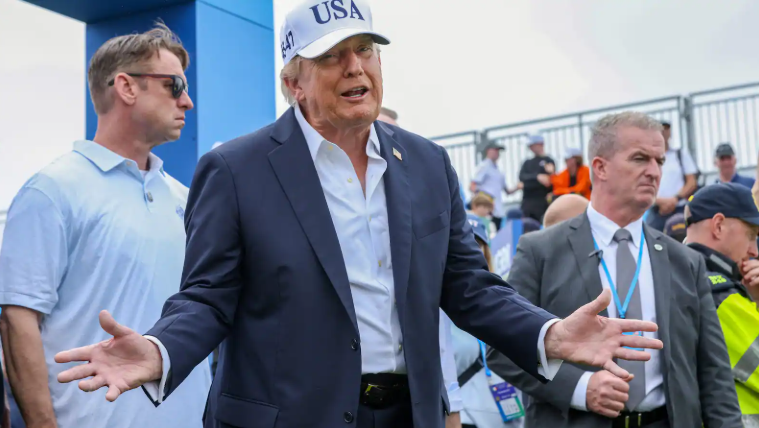
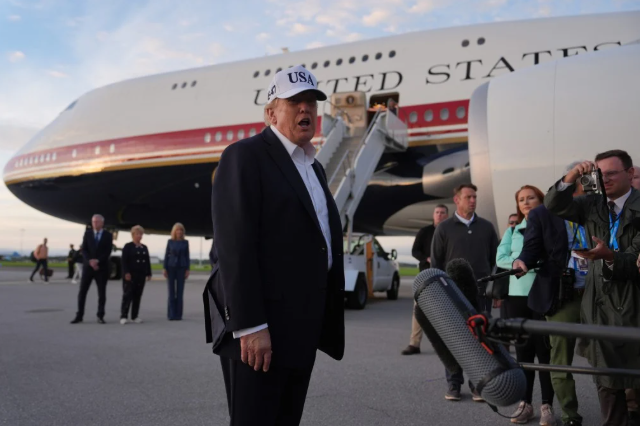
In a recent statement while observing a golfer at the Irish Open held at his Doonbeg resort, President Donald Trump was asked by a reporter whether the industry should consider slowing down or implementing regulations regarding artificial intelligence (AI). Donald Trump emphasized that the United States currently leads China in AI development and expressed a desire to maintain this dominance, stating, “frankly, I want to keep it that way because whoever wins AI wins.” The topic of AI is expected to be a significant agenda item when Chinese President Xi Jinping visits the White House later in September for discussions with Donald Trump.

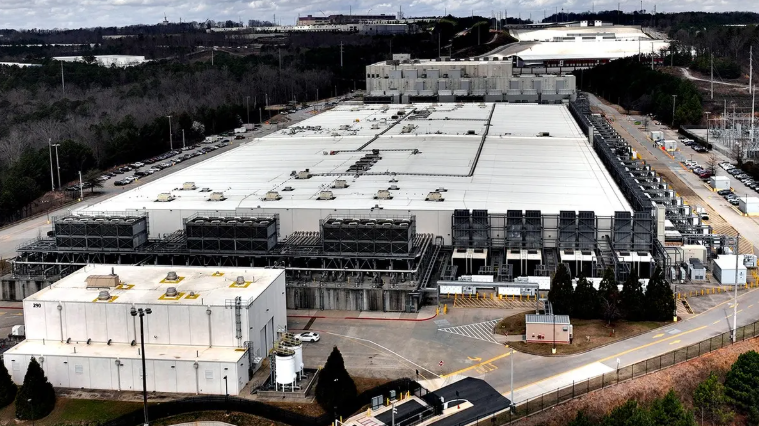
AI has emerged as a significant topic in U.S. election discussions, highlighted by the expansion of large corporations establishing computing warehouses in small towns. This development has raised concerns among Americans across the political spectrum regarding diminishing farmland and water resources, in addition to increased electricity costs. Despite a growing trend among both Republicans and Democrats to distance themselves from data centers, former President Donald Trump continues to advocate for their development, even as many local communities seek to prevent such facilities from being built.
Former President Barack Obama has urged the Democratic Party to prioritize artificial intelligence (AI) as a key campaign issue. During an event with House Democratic leader Hakeem Jeffries, he emphasized the importance of discussing safety concerns associated with AI and the potential for children to be adversely affected by its influence.
Obama stressed the need for a concrete plan that addresses the economic ramifications of AI, particularly focusing on job displacement. He highlighted the necessity to assess which sectors would be most impacted and how to effectively respond to these changes, advocating for a proactive stance to ensure a balanced approach to the challenges posed by AI technology.
Donald Trump White House meetings and a call for action by members of Congress
This week, important discussions are anticipated at the White House as Kevin Hassett, the director of the National Economic Council, indicated that administration officials responsible for cyber and science and technology policy will convene to strategize next steps regarding the rapid development of artificial intelligence (AI). President Donald Trump is also likely to engage with members of Congress, who have expressed concerns about the brisk pace of AI advancement. Hassett noted that the president is eager to gather insights from Congressional leaders.
U.S. House Speaker Mike Johnson emphasized the necessity for “guardrails” and “safety measures” to mitigate the risks associated with AI development, cautioning against the potential for it “to run away.” Concurrently, he articulated a concern shared with Donald Trump about maintaining the United States’ competitive edge globally, particularly against China, highlighting that failure to do so may pose a national security threat.
Johnson proposed that an urgent convening of industry leaders is essential to collaboratively address these challenges, indicating that he has already discussed the matter with Donald Trump and believes that prompt action in the form of a meeting is imperative.Johnson emphasized the importance of a coordinated approach to addressing concerns related to Artificial Intelligence (AI), stating it is a “top priority” for both himself and Congress.
He urged against panic among the public. In contrast, Jeffries criticized Republican leaders for permitting members to return to their districts during a critical legislative period. He advocated for immediate and decisive action to slow down AI development, highlighting a need for regulatory measures to ensure public safety. During an upcoming meeting, House Democrats will prioritize discussions on AI regulation. However, both leaders refrained from outlining specific legislative steps, pointing to a history of failed initiatives aimed at imposing rules on the technology sector, reflecting Congress ongoing hesitation to regulate this industry effectively.
Industry insider urges cooperation between Washington and Beijing
Industry insider Jacob Coxon, a former employee at Anthropic, has publicly voiced his concerns regarding the rapid advancement of artificial intelligence (AI) technologies. He emphasizes the urgent need for the establishment of international regulations alongside industry self-regulation to ensure safety in AI development.Coxon warns that AI models are on the verge of attaining super capabilities that may surpass human control, expressing his apprehension about creating a “human-level or superhuman-level mind” without a comprehensive understanding of its desires or cognitive processes.
In the context of intense global competition, particularly between the United States and China the leading nations in AI innovation Coxon advocates for collaborative efforts to decelerate the race and focus on addressing potential safety issues associated with AI advancements.In a statement concerning technological development, Coxon expressed hope that individuals in China, facing similar challenges, will recognize the necessity for a cautious approach.

He emphasized the importance of mutual cooperation and a measured pace in advancing technology, likening the situation to a race that could pose significant risks if both sides were to accelerate without restraint. He warned that pursuing technology too aggressively could lead to dangerous competitive dynamics between nations, highlighting the need for collaboration and mutual understanding to mitigate potential threats.
White House adviser challenges AI leaders over regulation
David Sacks, a tech founder and co-chairman of a White House advisory council on science and technology, has publicly challenged AI leaders, including Sam Altman and others, regarding their calls for regulatory measures on artificial intelligence.
In a social media post, Sacks emphasized that these leaders are in a position to control the trajectory of AI development, suggesting that they have the capacity to independently slow down advancements. He stated that the simplest way to avoid the creation of superintelligent AI is for them to collectively agree not to pursue its development. This statement underscores the responsibility tech leaders have in shaping the future of AI technology.