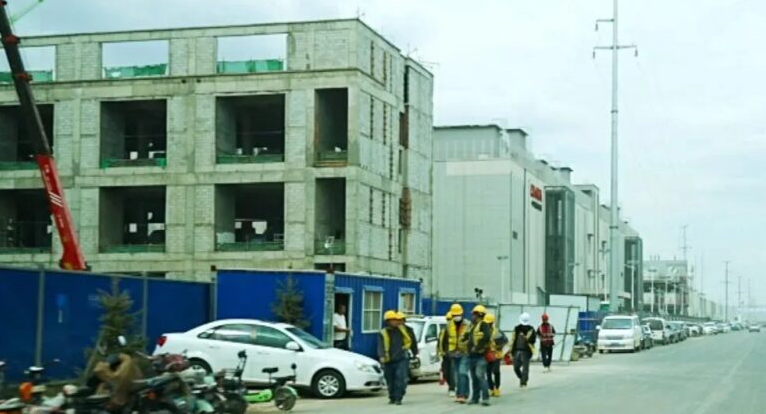
China is rapidly constructing massive AI Data Centers in Inner Mongolia, specifically in Ulanqab, traditionally known as the “potato capital.” These rectangular facilities are being developed to support the country ambitions in Artificial intelligence (AI). As agricultural activities continue around them, hundreds of workers equipped with yellow helmets are engaged in the construction. Heavy machinery is operational, and cranes are strategically placing rooftops while workers perform detailed tasks such as plastering brickwork. This simultaneous development of agriculture and technology marks a significant shift in the region identity, positioning Ulanqab as a notable player in China digital landscape as discussions on AI safety take place between leaders like Donald Trump and Xi Jinping.
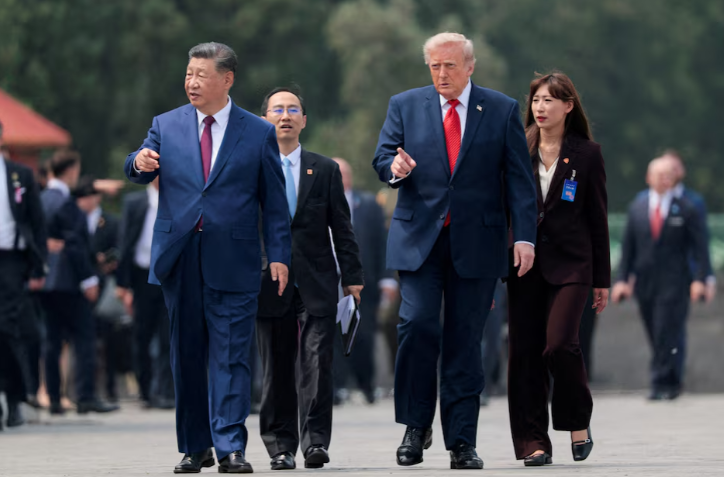
U.S China AI Race Intensifies Over Chips, Computing Power and Global Leadership
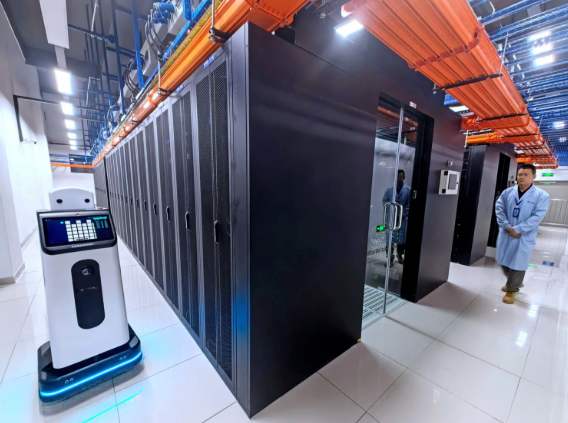
This document highlights the rapid pace of infrastructure development in China, as illustrated by a worker humorous remarks about the country commitment to building. An electrical engineer notes that the current project represents merely the second stage of a much larger development plan. Central to China race against the United States is artificial intelligence, underpinned by the immense computing power housed within vast AI data centers. The Chinese Communist Party views these facilities as vital not only to the nation economic growth but also to its national security.
The completion of these AI data centers is crucial for China ambition to integrate AI technology into 90% of its industries and society by the year 2030.China is not only enhancing its infrastructure but is also fostering a new generation of talent, including young engineers and researchers who perceive their country as an arena of opportunities.
AI data centers This shift is influenced by rising tensions with the US and restrictive immigration policies under Trump administration, which have disillusioned many regarding the American dream. As Jack Zhang from the University of Science and Technology of China observes, fewer students and researchers are heading to the US, while more are returning to China. Zhang himself exemplifies this trend; he was recruited into a high-level program in China after completing his studies at Yale in the US and Cambridge in the UK.
AI data centers He emphasizes his desire to leverage his AI research for applications in human health and medicine, noting that such initiatives necessitate substantial resources, personnel, and often government support elements that can be challenging to access abroad. Moreover, China burgeoning AI capabilities have prompted the US to accelerate its own AI development, despite internal industry concerns about the rapid pace of technological advancement.President Trump emphasized the strategic importance of artificial intelligence (AI), stating that dominance in this area is crucial for national supremacy.
Dario Amodei, the CEO of Anthropic, echoed this sentiment by advocating for the continuation of the US ban on exporting advanced chips and equipment to China, citing concerns that a Chinese leadership in AI could pose significant risks not only to the United States but also to global stability. This sentiment is likely to be unwelcome news for Chinese President Xi Jinping, who is set to visit Washington. In response to US apprehensions, the Global Times, a state-run Chinese media outlet, characterized these fears as a tactic reminiscent of Cold War-era strategies aimed at suppressing China emergence as a global power.
AI Data Centers development in Ulanqab
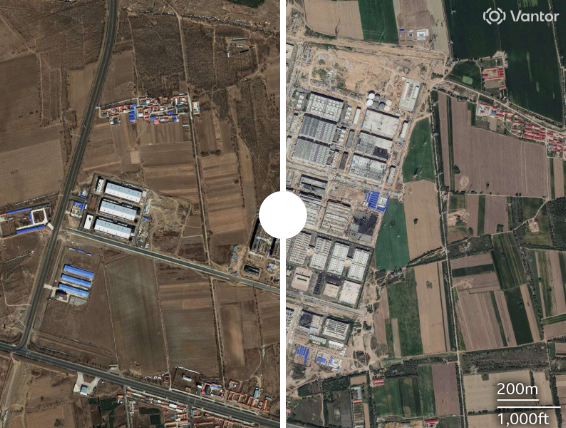
Drag slider to see VNET site expansion in Bayin China is not only attempting to catch up to the US in Artificial intelligence (AI) but is also promoting a distinct model. President Xi Jinping is urging Chinese AI companies to create more affordable, open-source models that can be modified by users, companies, and countries as they see fit. This approach contrasts with the US strategy, where firms like OpenAI and Anthropic utilize closed models, keeping their design elements confidential.
AI data centers Beijing preference for open-source models stems from their success in driving rapid innovation among Chinese AI firms. This collaborative approach has enabled China to address a significant challenge: limited access to advanced chips, which are essential for enhancing computational power. The emphasis on sharing technology has provided a pathway for faster development and has positioned Chinese AI firms favorably in the global landscape.
Huawei Horinger AI Data Centers in Inner Mongolia
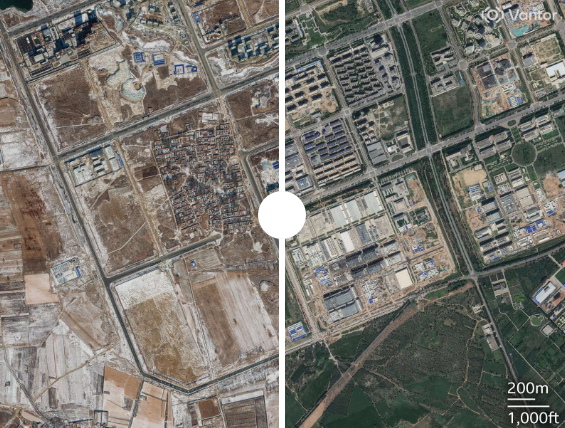
AI Data Centers Beijing is advocating for increased influence in establishing global regulations for artificial intelligence (AI), as highlighted by President Xi repeated calls for comprehensive governance frameworks that other nations should adhere to. The urgency for AI safety has intensified, making this week summit at the White House particularly crucial. It poses significant questions regarding the potential collaboration between the United States and China on AI regulation, as well as the feasibility of any proposed slowdown in AI development.
Meanwhile, in locations like Ulanqab, China ambitions in the AI sector are rapidly materializing, indicating a strong push towards advancing its technological capabilities despite global regulatory discussions.AI data centers China is constructing numerous AI Data Centers for companies like Huawei, ByteDance, and DeepSeek in less populated provinces such as Ulanqab, Ningxia, and Gansu in the north, and Guizhou in the south-west.
These locations have been chosen due to the existing extensive renewable energy capacity from wind and solar sources, as well as the affordability of land and favorable weather conditions that minimize water needs. Despite these advantages, there are significant concerns regarding the sustainability of energy sources as many AI data centers may still rely on coal power, particularly since the goal is to have a majority of them powered by green energy by 2030. Water scarcity remains an issue in the arid regions, including Inner Mongolia.
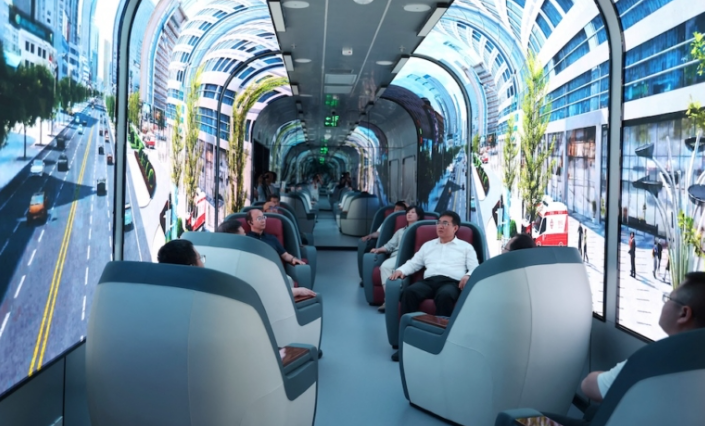
China Growing AI Workforce and Automation Drive Technological Expansion
AI data centers Relocation of entire villages has occurred in connection with these developments, though the specifics regarding the number of displaced individuals and the compensation they received remain vague. Residents are generally hesitant to express their concerns due to potential repercussions. One local, who preferred to remain anonymous, commented that the large-scale data operations do not benefit the ordinary people, questioning the advantages purportedly brought by such projects.
Many locals report limited job opportunities related to the AI data centers and express anxiety over potential land seizures that could hinder their traditional farming practices. Conversely, there are also optimistic viewpoints; for instance, a local named Zhang, witnessed working alongside potato pickers nearby, reflected a more positive outlook on the developments. Overall, the expansion of AI data centers in these regions presents both opportunities and challenges for the local communities.
China has significantly advanced on the global stage, with notable improvements since the 1960s. As a testament to this progress, many young individuals, including the speaker children, have secured employment within the country. Surveys indicate a general acceptance of artificial intelligence (AI) and its integration into society, although the veracity of these surveys is difficult to ascertain due to the restrictive nature of information flow in China. The Chinese government actively views AI as a remedy for its aging workforce and is accelerating automation within manufacturing and production sectors. This shift has raised concerns regarding potential job losses, although quantifying this anxiety remains a challenge.
AI data centers Moreover, China produces approximately five million graduates in science and technology annually, significantly outpacing the United States, which produces around half a million. A substantial number of these graduates are choosing to remain in China, contributing to an increasingly vibrant ecosystem for innovation. Tech developer Dang Ronghao, aged 27, highlights the growing openness of Chinese campuses, which facilitate global collaboration among researchers, allowing for broader dialogues from his position in Shanghai. This environment fosters a robust platform for technological advancement and global connectivity.
Public Skepticism Tests Beijing Vision for a Technology-Driven Future
Research is increasingly integrating artificial intelligence (AI) with various sectors, including nuclear fusion, astrophysics, new materials, and drug development, marking a promising era for technological advances. However, concerns persist regarding the cultural environment in China, where conformity is often prioritized over challenge and innovation. Professor Liu Jun, from Tsinghua University Department of Statistics and Data Science, emphasizes the importance of fostering a culture that encourages questioning and critical thinking among students. Despite his efforts to promote inquiry and challenge, he acknowledges that significant cultural and systemic changes are necessary for such shifts to occur.
Many Chinese citizens are currently facing significant economic challenges, including a sluggish economy and rising youth unemployment, alongside low consumer spending and declining property prices. In rural areas, the situation is compounded by an ageing population, which poses additional concerns. A farmer from Inner Mongolia exemplifies this disconnect; he expresses skepticism towards the relevance of advanced technologies like AI and big data in his daily life, highlighting a lack of internet use and reliance on basic connectivity options. His phone is in disrepair, and he pays a modest fee for limited internet access, illustrating the widening gap between technological advancements and the realities faced by ordinary individuals in the countryside.
In the current landscape of technological advancement in China, a sense of skepticism persists among the populace. A statement encapsulating this sentiment reflects an individual uncertainty about both personal circumstances and the broader future. This skepticism poses a potential challenge for Beijing, especially as the nation undergoes rapid changes in various sectors driven by technology. Despite significant transformations occurring nationwide, it remains unclear to what extent ordinary citizens share the same enthusiasm and commitment to embracing this tech-driven future as their leaders do. This disparity in investment between the government and the general public could impact the effectiveness and acceptance of technological initiatives.
Pingback: Report Xi Jinping Historic White House Visit: Trump, Trade, AI and Taiwan on Agenda - internationalmediawire.com