The Bank of Japan (BOJ) has indicated a shift in its monetary policy, signaling a readiness for more frequent and accelerated interest rate hikes. This change stems from concerns over potential inflation overshoot, leading the central bank to prioritize upcoming economic data to inform its decisions. The significance of the forthcoming information is underscored by the imminent “Tankan” survey on corporate inflation expectations, the results of which will be released Thursday, followed by inflation data on Friday.
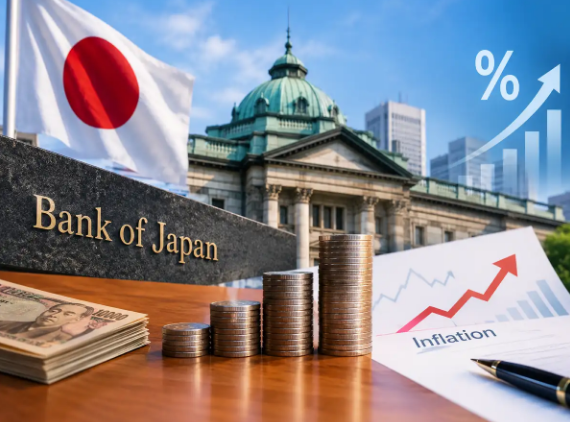
Any indication of rising corporate inflation expectations or increased price pressures could strengthen the justification for an additional rate hike as soon as October or December. This pivot marks a notable change in Japan approach to managing inflation and economic stability amidst evolving economic conditions.In June and July, the Bank of Japan (BOJ) shifted its focus towards combating inflation.
Governor Ueda has indicated a likelihood of accelerated interest rate hikes in the near future. However, according to sources, the criteria for an interest rate increase in October remain challenging. Ueda emphasized that inflation expectations and the outlook for wages are critical factors in this decision-making process. Additionally, upcoming data due this week will play a pivotal role in determining both the timing and the pace of potential future rate hikes.
BOJ Weighs Further Rate Hikes as Weak Yen Fuels Inflation Concerns
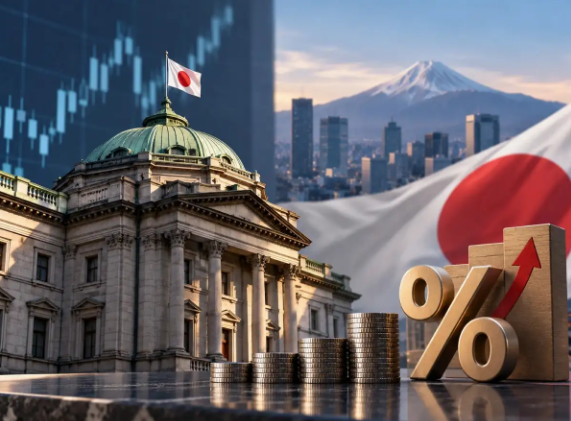
Bank of Japan Some market participants are anticipating a potential interest rate hike by the Bank of Japan (BOJ) in October, spurred by ongoing challenges with the weak yen. Despite threats of intervention not successfully stabilizing the currency, there is a growing expectation that the BOJ may need to adopt a more aggressive monetary tightening approach to support the yen. A depreciating yen contributes to rising import prices, which consequently impacts the overall cost of living for households in Japan.
However, following a recent increase in rates, the BOJ is likely to maintain stringent criteria for any further hikes in October. Such a hike would only be considered if external shocks heighten the risks of an inflation overshoot. Sources with insight into the BOJ deliberations indicate that while inflation risks are present, there is currently no concrete evidence suggesting an imminent sharp increase in price growth. This cautious sentiment reflects a broader consensus among informed observers regarding the current inflationary landscape in Japan.

Bank of Japan Governor Kazuo Ueda indicated that a consecutive interest rate increase would only occur if there were risks of significant price hikes or if underlying inflation exceeded the Bank of Japan 2% target. He emphasized the central bank willingness to act “pre-emptively” to prevent the necessity of drastic measures, demonstrating a commitment to a more proactive approach in adjusting borrowing costs. According to a source, “Financial conditions remain accommodative, requiring the Bank of Japan to hike steadily as needed.”
Another insider noted that with underlying inflation stabilizing around 2%, the Bank of Japan might feel compelled to accelerate its rate adjustments. The Bank of Japan has not yet issued any comments regarding these insights, as the sources provided their information under anonymity due to the sensitivity of the situation. Former Bank of Japan board member Makoto Sakurai, who retains close relations with current policymakers, anticipates that the central bank will raise its policy rate from the existing 1.25% to 2% by around June of next year.
Inflation Expectations Key
Ueda maintained a steady course for a year after assuming office in 2023 before initiating an exit from a decade-long monetary stimulus. In a gradual response to potential economic downturns, the Bank of Japan (BOJ) raised interest rates once in 2024 and twice in 2025. The Bank of Japan shifted its strategy in June 2025, moving towards a more aggressive approach to combat inflation as rising import costs increased the likelihood of widespread price increases.
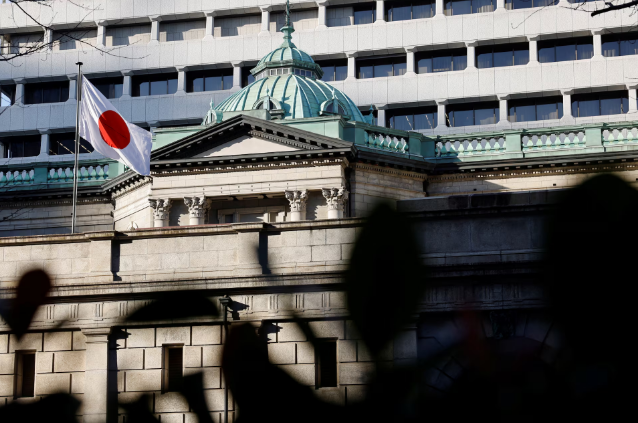
While the Bank of Japan kept rates unchanged in July 2025, it expressed significant concern regarding escalating price pressures and hinted at a rate hike for September. With underlying inflation approaching the target of 2%, Ueda indicated that the Bank of Japan policy had entered a “new phase,” aimed at mitigating inflationary risks and creating conditions for more rapid rate increases.
Inflation and Wage Growth Could Shape BOJ Rate Hike Timing
He identified two key factors indicating that underlying inflation rates were nearing 2%: a rise in long-term inflation expectations and consistent wage growth. The upcoming Tankan survey, set to be released on Thursday, is anticipated to indicate whether corporate inflation expectations could rise from the unprecedented levels recorded three months prior. According to a Reuters poll, core consumer inflation in Tokyo is projected to reach 2.4% in September, a significant increase from 1.8% in August, reflecting growing price pressures across the economy.
This data will influence the Bank of Japan (BOJ) quarterly forecasts, expected next month. Currently, the Bank of Japan forecasts anticipate nationwide core inflation to hit 2.5% in fiscal 2026 and 2.4% in fiscal 2027. Mari Iwashita, an executive rates strategist at Nomura Securities, highlighted that the critical factor will be the extent to which the Bank of Japan revises its fiscal 2027 inflation forecasts, as well as how it could adjust the timeline for when inflation peaks. These revisions will provide crucial insights into the Bank of Japan timing for potential interest rate hikes.
Summary
- Bank of Japan made pivot to inflation-fighting mode in June, July
- Governor Ueda has signalled chance of faster rate hikes ahead
- High hurdles likely set for October rate hike, sources say
- Ueda has flagged inflation expectations, wage outlook as key
- Data due this week key to timing, pace of future rate hikes
Pingback: Global Bond Rout Deepens, Pushes US Treasury Yields to 24 Year Peak - internationalmediawire.com