US Signs Landmark Nuclear Deal With Saudi Arabia: What Are the Security Implications?
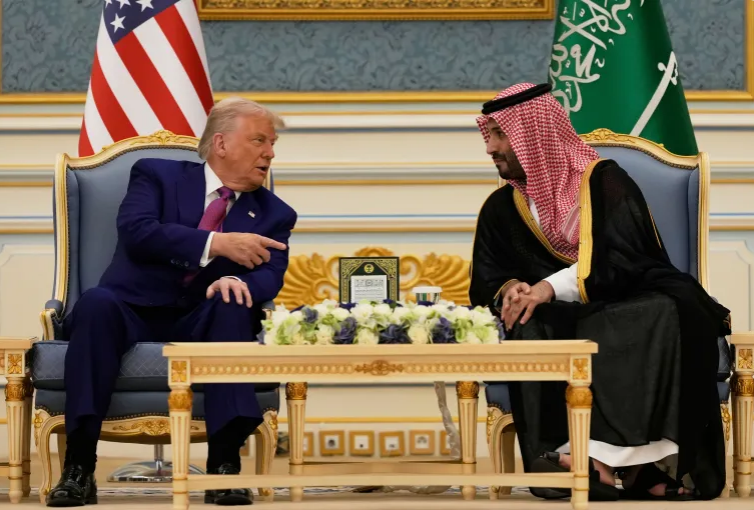
The United States and Saudi Arabia have entered into a significant nuclear deal allowing Saudi Arabia to develop a civilian nuclear program. Although the specific details remain undisclosed and are pending Congressional review, the agreement marks a long-term, multi-billion-dollar partnership.
This collaboration will see American companies and experts working closely with Saudi Arabia’s nuclear energy initiative, alongside the signing of a “bilateral safeguards agreement.”
Another Muslim Country Becoming a Nuclear Power Reports suggest that following a joint study with the US, Saudi Arabia may gain permission to enrich uranium domestically to produce fuel at a US-constructed enrichment facility, thus reducing reliance on imported fuel. However, experts project that it may take around a decade for Saudi Arabia to operationalize a nuclear power plant.
Critics have raised alarms about the potential implications of this deal, particularly its possibility of initiating a nuclear arms race in the Middle East.
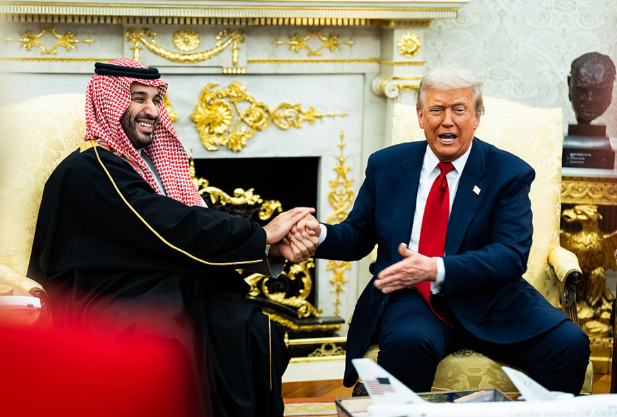
Concerns have been expressed that the agreement might facilitate Saudi Arabia’s development of nuclear weapons capability, as Riyadh would be able to enrich its uranium—an essential process for weaponization.
US officials maintain that the agreement is directed towards civilian nuclear aims. The deal has been placed before Congress for review, where it is anticipated to encounter some opposition, primarily from Democratic lawmakers. Overall, the nuances of this agreement and its implications for regional security remain subjects of intense scrutiny and debate.
Could this spur a nuclear arms race in the region?
The recent nuclear deal between the United States and Saudi Arabia has sparked significant concern regarding the potential for a nuclear arms race in the region.
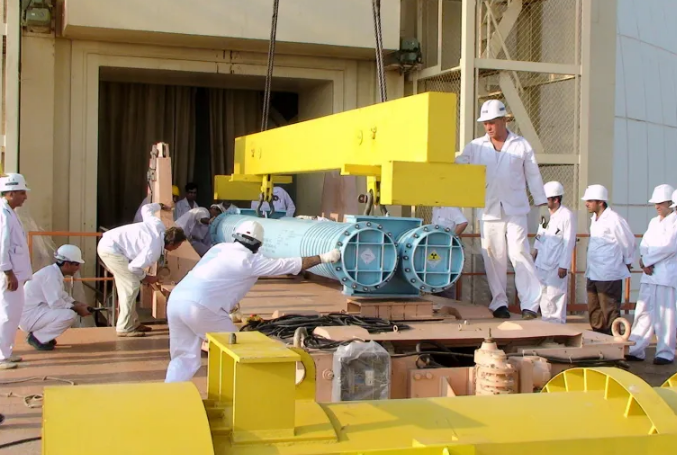
Analysts are worried that the agreement could lead Saudi Arabia to pursue military-grade uranium development, a claim that remains unconfirmed by the US Energy Department.
Historically, Saudi Arabia has indicated intentions for nuclear energy primarily for power generation. However, in 2018, Crown Prince Mohammad bin Salman stated that Riyadh would develop nuclear weapons if Iran did the same, which has intensified apprehensions about regional stability.
Despite these concerns, US Secretary of State Marco Rubio has insisted that the deal will not facilitate nuclear proliferation, as American contractors will oversee the initiative, ensuring US monitoring throughout the process. Notably, Westinghouse, a US nuclear reactor design firm, is set to play a significant role in the project.
These assertions, however, encountered resistance from figures like former Israeli Defence Minister Avigdor Liberman, who has publicly condemned the deal. He argues that Saudi Arabia’s civilian nuclear program will inevitably evolve into a military one, thus provoking a regional arms race, as Israel has historically opposed any expansion of nuclear capabilities among Arab nations.
As of the latest updates, the details of the deal are still under wraps and await Congressional review. Nevertheless, a joint statement from the US and Saudi energy officials heralds a long-term, multi-billion-dollar partnership aimed at developing Saudi Arabia’s nuclear energy landscape, incorporating a bilateral safeguards agreement.
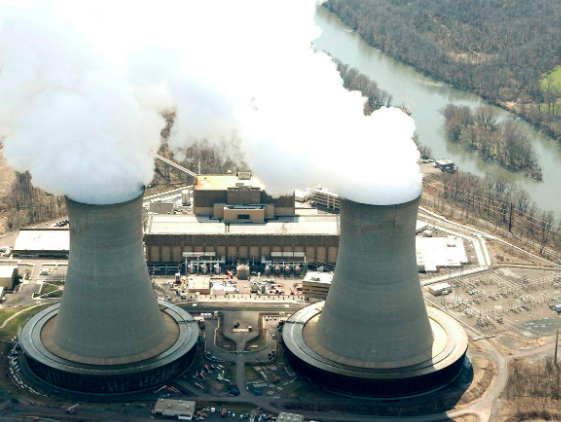
Reports suggest that after preliminary studies, Saudi Arabia may be permitted to enrich uranium domestically at a US-constructed facility, reducing dependency on imported nuclear fuel—a step seen by critics as a potential precursor to weaponization.
Experts predict that it could take at least a decade for Saudi Arabia to commission a nuclear power plant, leading to further speculation and scrutiny regarding the implications of this deal on regional security dynamics.
Is there a risk of nuclear reactors being attacked in strikes?
Concerns have escalated regarding the potential risks of attacks on nuclear reactors amidst heightened tensions in the Middle East.
Iran’s Bushehr nuclear power plant has previously experienced strikes on its outer facilities due to military actions involving the US and Israel, while Iran has targeted the perimeter of the UAE’s Barakah nuclear power plant with drone strikes.
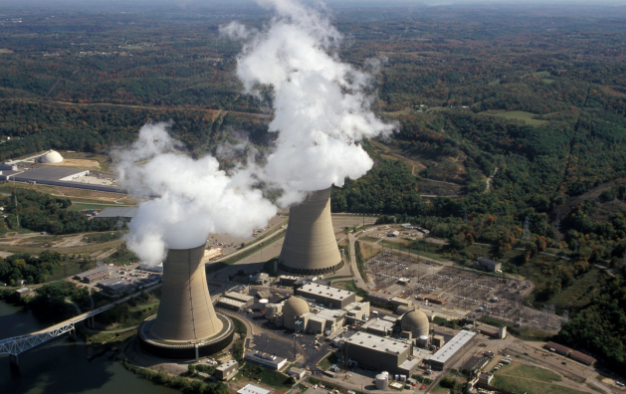
While these military actions have not directly impacted the reactors themselves, experts caution that increasing the number of such facilities in a volatile region poses significant risks. Damage to a reactor’s core could lead to the release of highly radioactive gases, creating catastrophic consequences within a 20- to 30-kilometre (12- to 18-mile) radius.
Historical incidents, such as the Fukushima disaster in Japan in 2011 and the Chornobyl accident in Ukraine in 1986, serve as stark reminders of the potential dangers associated with nuclear plants in conflict zones.
Critics in Congress don’t appear to have the votes to block this deal
The current congressional critics do not possess sufficient support to obstruct the proposed deal with Saudi Arabia, which brings several short-term advantages for the Kingdom.
This includes strengthened relations with the United States amidst ongoing tensions due to the war in Iran and a reaffirmation of its influential role in the Middle East.
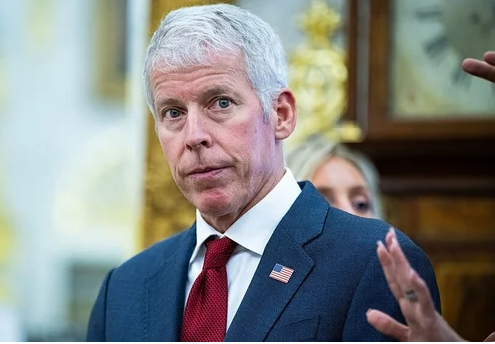
For the United States, this agreement offers a strategic advantage in the geopolitical competition with China and Russia over the establishment of civilian nuclear infrastructure in the region, particularly as both of these countries have been pursuing similar arrangements with other nations.
While the full details of the deal remain undisclosed, there are concerns that it could grant Saudi Arabia access to nuclear technology without stringent safeguards to mitigate the risk of them developing nuclear weapons in the future.
Despite anticipated opposition within Congress, it seems unlikely that lawmakers will be able to garner enough votes to prevent President Trump from finalizing the agreement.
Could Saudi Arabia have access to sensitive material?
The potential for Saudi Arabia to access sensitive nuclear material remains ambiguous at this time. The discussion revolves around highly enriched uranium and spent nuclear reactor fuel, which are critical for nuclear bomb construction.
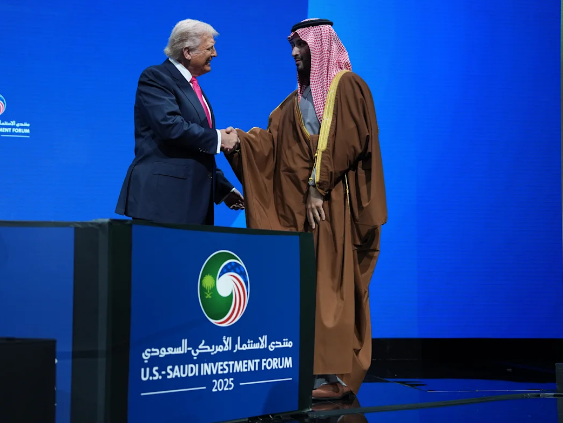
Reports indicate a proposed agreement that includes a “black box” uranium enrichment facility located in Saudi Arabia but operated by US companies. A two-year joint study between the US and Saudi Arabia aims to evaluate the need for such a facility, with the alternative being the importation of commercial-grade low-enriched uranium.
Experts like Matthew Kroenig, a fellow with the Atlantic Council, express concern regarding the implications of this arrangement. He questions the definition of a “black box,” suggesting that if US engineers are permanently stationed in Saudi Arabia, it could lead to the transfer of knowledge to Saudi personnel who might eventually remove US oversight.
Kroenig draws comparisons to Russia’s agreements with Turkiye and Egypt, where Russian contractors manage nuclear power operations without conducting uranium enrichment—but notes that the proposed US-Saudi arrangement differs due to the enrichment aspect.
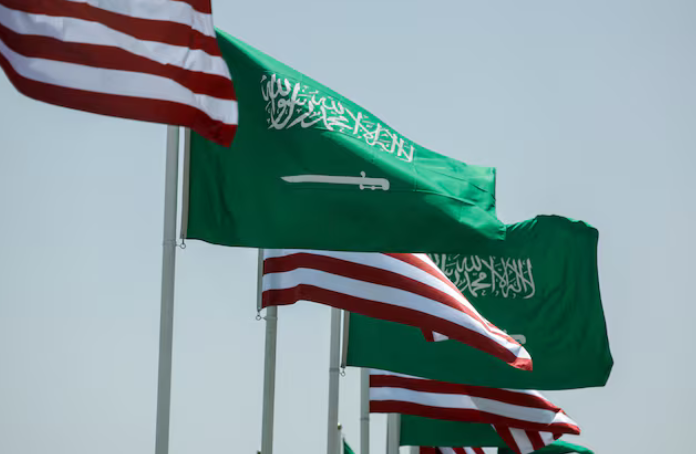
Furthermore, he highlights the contrasting approach of the UAE, which is often cited for its adherence to non-proliferation norms, as it sources all of its low-enriched uranium from partners like France, the UK, and Russia.
Kroenig theorizes that the US might be using the two-year study as a tactic to delay or negotiate terms related to uranium enrichment, mirroring strategies employed in discussions surrounding similar requests from South Korea. He remains hopeful that, following the study, the US may ultimately reject the necessity for enrichment by suggesting it does not align with current conditions.
This deal is a major victory for Saudi Arabia
This deal marks a significant achievement for Saudi Arabia, potentially transforming Middle Eastern power dynamics, albeit not in the immediate future and possibly taking years to fully manifest.
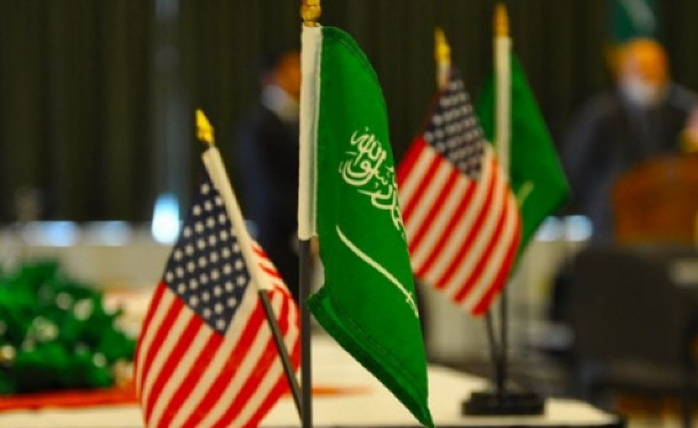
Saudi Arabia has sought access to American nuclear technology since the presidency of George W. Bush, with Crown Prince Mohammed bin Salman intensifying efforts to diversify the kingdom’s economy and enhance relations with the US during the Trump administration.
Experts suggest it could take at least a decade for Saudi Arabia to establish operational civilian nuclear power plants. Critics, including Israel, have raised concerns that this deal might enable Saudi Arabia to pursue nuclear weapons; however, analysts believe that if this were to occur, developing a fully operational military nuclear program would also require an extensive timeframe.
Recommended Stories (Another Muslim Country Becoming a Nuclear Power)
list of 4 items
- list 1 of 4 What are ‘civilian’ sites in international law and where have US, Iran hit?
- list 2 of 4 Proposed US-Saudi nuclear energy deal: What we know so far
- list 3 of 4 US and Saudi Arabia announce nuclear cooperation deal
- list 4 of 4 Can the US and Iran reach a lasting deal to end the conflict?
The provided document lists four recommended stories focused on various international legal and geopolitical issues.
The first story addresses the definition of ‘civilian’ sites under international law and examines instances where the US and Iran have targeted these locations, raising questions about legal compliance and ethical warfare.
The second item discusses a proposed nuclear energy deal between the US and Saudi Arabia, highlighting current knowledge and implications for regional power dynamics.
The third item announces the commitment of the US and Saudi Arabia to nuclear cooperation, suggesting significant developments in their bilateral relations.
Lastly, the fourth story poses a critical question about the prospects for the US and Iran to establish a lasting resolution to their ongoing conflicts, emphasizing the complexities and challenges involved in their negotiations.
Together, these stories reflect pressing themes in the intersection of international law, energy policy, and diplomatic relations.