In 2026, artificial intelligence (AI) is making significant strides in transforming the landscape of US military intelligence. This evolution is primarily driven by AI capabilities in data analysis, predictive modeling, and decision-making support. Intelligence agencies are leveraging AI to process vast amounts of data collected from diverse sources, enhancing their ability to identify threats and visualize complex scenarios.
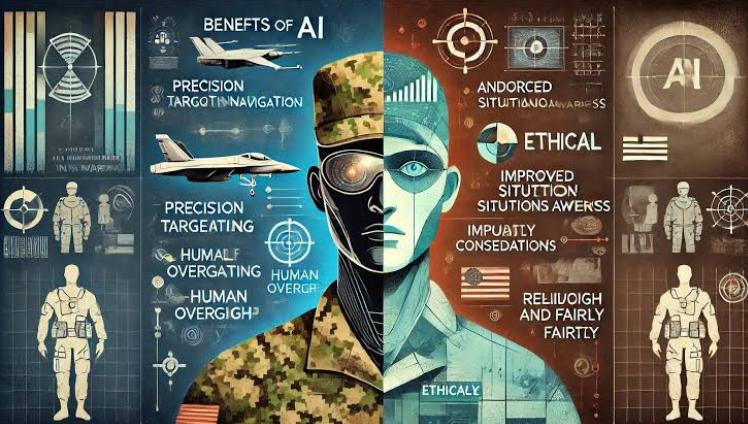
Through machine learning algorithms, systems can automatically detect patterns and anomalies, allowing for quicker responses to emerging security challenges. The integration of AI tools not only increases analytical efficiency but also reduces human error, presenting a more reliable operational framework for intelligence officers.
Enhanced simulation environments equipped with AI are also facilitating strategic training exercises, preparing military personnel for a range of potential scenarios.However, the incorporation of AI into military practices raises ethical concerns and challenges, particularly regarding autonomy in decision-making processes and the potential for bias in AI systems.
These aspects necessitate the establishment of stringent governance frameworks to guide AI deployment in military contexts, ensuring adherence to legal and moral standards. As US Military intelligence continues to evolve with AI, ongoing discussions regarding its implications will be essential in shaping future operations and international relations.
US Military Establishes Generative Artificial Intelligence Task Force
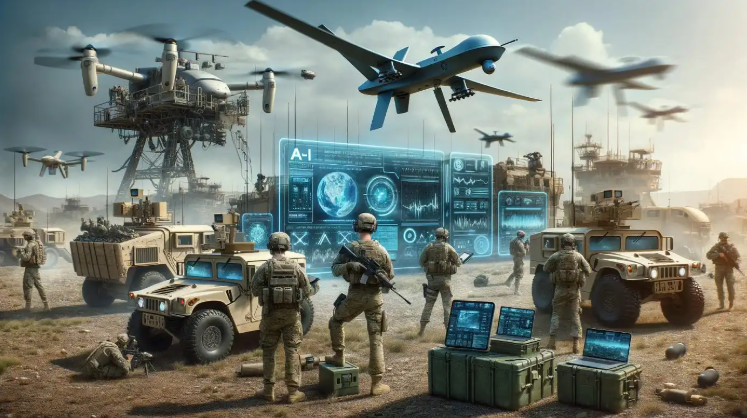
The U.S. Department of Defense announced on August 10 the creation of a task force named Task Force Lima, aimed at analyzing and integrating generative artificial intelligence (AI) tools throughout the department. This initiative is part of the department’s strategy to stay at the forefront of advanced technologies while simultaneously ensuring national security.
Task Force Lima is tasked with assessing, synchronizing, and employing generative AI capabilities, including large language models, across various sectors within the military. The establishment of this task force is under the leadership of Deputy Secretary of Defense Kathleen Hicks and is headed by Craig Martell, who holds the position of chief digital and artificial intelligence officer.
Martell emphasized the necessity for the United States to develop appropriate protective measures to mitigate any potential national security risks associated with the implementation of generative AI. He highlighted concerns related to the management of training data, indicating that improper handling could lead to unforeseen issues as the technology is adopted more widely within the department.
The formation of Task Force Lima underscores the DoD commitment to leveraging cutting-edge AI technologies while prioritizing the safety and security of its operations.

We must consider how adversaries will leverage technology to disrupt our AI-based solutions, as highlighted by Mr. Martell. Generative AI refers to algorithms that produce new content derived from their training data, and the U.S. military intends to utilize this technology to improve various domains including warfighting, business operations, health, readiness, and policy. Recently, U.S. Air Force Col.
Matthew Strohmeyer revealed that live assessments of generative AI models were conducted to evaluate their effectiveness in decision-making processes. He noted that these AI tools could analyze “secret-level and classified data” in approximately 10 minutes, a considerable improvement over the hours or days typically required for human analysis. Although promising, Col. Strohmeyer cautioned that this technology is not completely ready for widespread application just yet, despite successful live demonstrations involving sensitive data.
Initiative on Responsible Military Uses
The United States has launched an initiative aimed at fostering international cooperation on the responsible use of artificial intelligence (AI) and autonomous weapons within military applications. This initiative seeks to establish a framework for managing the implications of AI technologies that are poised to transform warfare fundamentally.
Bonnie Jenkins, who serves as the State Department’s undersecretary for arms control and international security, introduced a political declaration that delineates guidelines for best practices governing the military utilization of AI. Jenkins emphasized that advancements in AI will significantly reshape armed forces globally, a claim supported by the Ukrainian military’s effective use of AI for battlefield analysis.
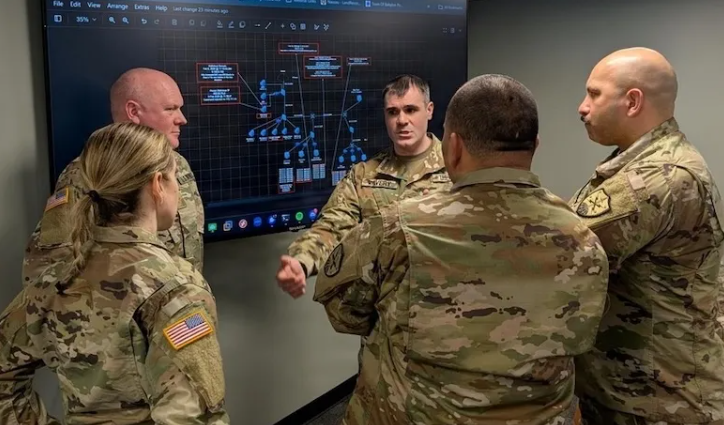
The text discusses the necessity of establishing robust norms for the responsible military application of artificial intelligence (AI), emphasizing that such applications will evolve over time. A key highlight is from a recent U.S. declaration, which consists of 12 points, underscoring the importance of ensuring human oversight and involvement in critical sovereign decisions related to the use of nuclear weapons. This statement stresses the ethical implications and the need for careful regulatory frameworks as military technologies advance.
Military AI Increases Strategic Risk
US Military The Center for a New American Security has issued a report highlighting the growing concerns surrounding military applications of artificial intelligence (AI) and the resultant increase in strategic risks, particularly in the context of rising tensions between the United States and communist China.
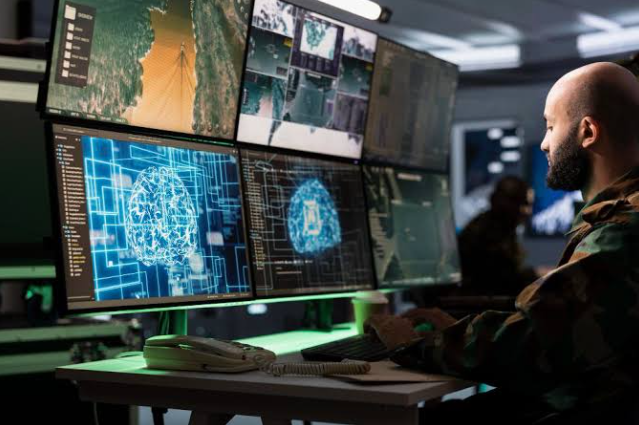
The document emphasizes that the geopolitical rivalry between these nations, combined with rapid advancements in military AI technology, exacerbates the potential for conflict. The report analyzes various “pathways” that military AI may exploit to undermine global stability or ignite a new war. It culminates in several policy recommendations aimed at mitigating the threat of a catastrophic confrontation between great powers. US Military
Pursuit of Military AI Increasing Risk of Nuclear War Between China and US
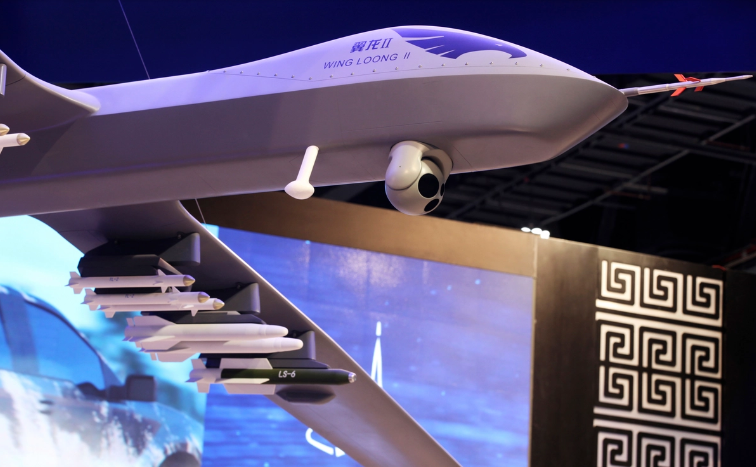
The report by the Center for a New American Security highlights the increasing risk of armed conflict between China and the United States due to the rise of military applications of artificial intelligence (AI). It emphasizes that the combination of escalated geopolitical tensions and rapid advancements in military AI technologies may heighten the likelihood of a strategic catastrophe.
The document articulates that these developments are likely to exacerbate the existing rivalry, thereby increasing strategic risks. Furthermore, it explores various “pathways” through which military AI could threaten global stability or trigger a new war, while also providing policy recommendations aimed at preventing such outcomes. US Military
Military AI Key to CCP Ambitions
The report delineates the pivotal role of Military AI in the strategic ambitions of the Chinese Communist Party (CCP), which maintains a singular political structure in China. It asserts that the CCP is actively advancing the integration of artificial intelligence into its military operations, positing that the regime totalitarian governance framework provides a unique advantage over the politically fragmented United States. US Military
Central to this initiative is the CCP objective of “intelligentization,” characterized by a comprehensive transformation of military practices through the widespread implementation of AI, automation, and big data technologies. The report emphasizes that AI is essential for the CCP military aspirations, with a particular focus on its ambition to evolve into a “world-class military” by the mid-21st century, largely through the intelligent enhancement of its armed forces. US Military
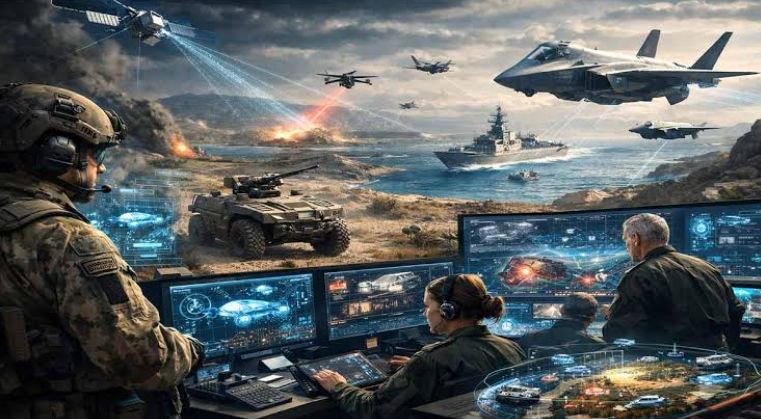
Intelligentization in the context of military development signifies China’s effort to incorporate artificial intelligence (AI) and other advanced technologies into its armed forces, aiming to outperform the United States strategically. This initiative is bolstered by China’s governance model and military-civil fusion policy, which the country claims provides a competitive edge over Washington. US Military
A recent report analyzed 343 military equipment contracts in China, highlighting seven critical areas of investment for military AI: intelligent and autonomous vehicles, intelligence, surveillance, and reconnaissance (ISR), predictive maintenance and logistics, information and electronic warfare, simulation and training, command and control, and automated target recognition. These focus areas underline China’s systematic approach to enhance its military capabilities through cutting-edge technological integration.
US Military The study highlights the significant investment that the Chinese Communist Party (CCP) is making in a diverse range of emerging technologies, with artificial intelligence (AI) taking precedence. According to the report, military AI is pivotal to the CCP strategy for enhancing its global influence. It notes that CCP leader Xi Jinping has outlined ambitious objectives for the Chinese military, aiming for it to ‘basically complete’ its modernization efforts by 2035 and evolve into a ‘world-class’ military by the mid-century.
Furthermore, both public and private sectors in China view AI as essential to the country’s future. The report emphasizes that for the party-state, AI’s significance extends beyond its contributions to military or political power, underscoring its perceived importance in various aspects essential for China’s future development.
US Response Carries Risks
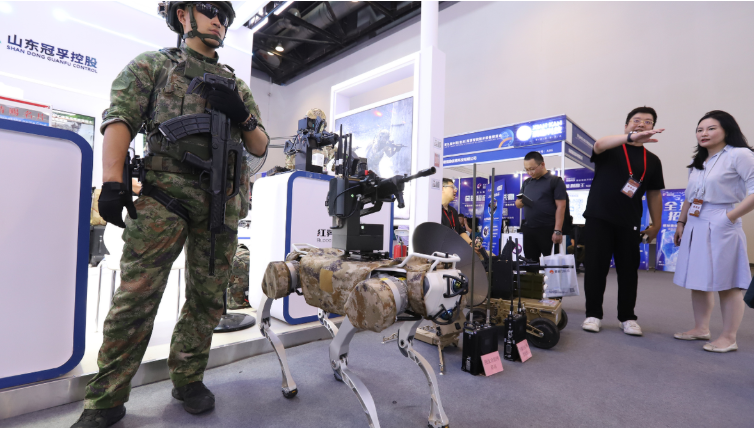
US Military The text discusses the increasing integration of artificial intelligence (AI) into military technologies, highlighting a vision shared by General Mark Milley, Chairman of the Joint Chiefs of Staff. He predicts that within the next 10 to 15 years, significant portions of the militaries in advanced countries will transition towards robotic systems. In a discussion with Defense One, Gen. Milley emphasized that the convergence of robotics, AI, precision munitions, and long-range surveillance capabilities will lead to a fundamental transformation in military operations. US Military
He asserts that such technological advancements are imminent, with substantial changes expected within the decade.To that end, the new report highlights that the United States’ initiative to incorporate military artificial intelligence (AI) while countering the Chinese Communist Party (CCP) carries inherent risks.
Although specific military technologies may appear beneficial in theory, their combined application could introduce instability into the already tense dynamics of the China-U.S. relationship. This concern is particularly pronounced in the context of AI-assisted military decision-making software. The report asserts that, for any single nation, enhancing information processing capabilities could provide crucial additional time for human operators to make more precise and informed decisions. US Military
The report highlights that when multiple states expedite their decision-making timetables, this could lead to a heightened frequency of crises, ultimately giving leaders less time to make decisions. It suggests that if both American and Chinese leaders perceive autonomous military systems as reducing political risks in lethal operations, they might be more inclined to employ such force. US Military
The idea is that superior capabilities provided by autonomy may lead military leaders to believe that their chances of battlefield success are improved, consequently increasing their likelihood of action.Furthermore, the report calls on Congress to “take bold action” to limit China’s advancements in military and repressive artificial intelligence. US Military

US Military However, it also stresses the importance of fostering dialogue and building international consensus to ensure stability and prevent catastrophic misunderstandings. A key recommendation is to integrate military AI into diplomatic discussions with China concerning nuclear weapons and strategic stability.
Pingback: Virginia State University Shooting Leaves 5 Injured, 1 Critically, Campus Lockdown Lifted - internationalmediawire.com
Pingback: SpaceX $500 Billion AI Data Center Plan: Why Elon Musk Is Going All In on Artificial Intelligence - internationalmediawire.com
Pingback: Pete Hegseth Culture War Focus Disrupts Army Progress, Sources Say - internationalmediawire.com