SpaceX is planning a monumental expansion of its AI infrastructure, with an investment potentially reaching $500 billion to increase its compute capacity from 1.4 gigawatts to between 6 and 10 gigawatts. This strategic move, highlighted in a recent episode of the AI Investor Podcast by hosts Austin Smith and Eric Bleeker, underscores the significant economic implications for the AI industry and the intensifying competition among major tech companies.
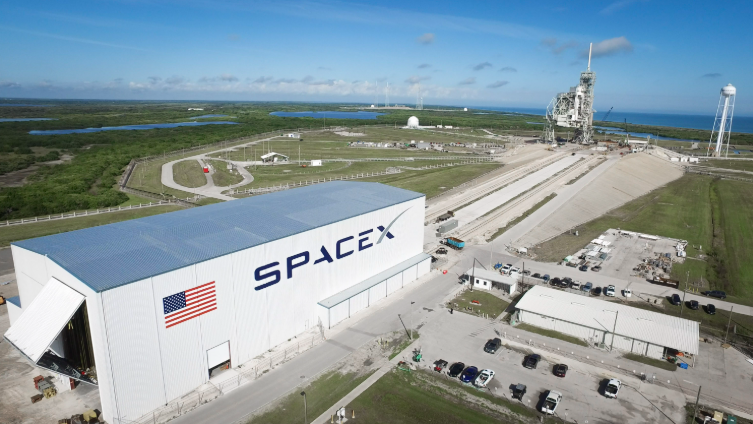
The hosts suggest that this expansion is pivotal in shaping future landscapes, particularly as companies like Microsoft, Alphabet, and Taiwan Semiconductor are expected to make consequential decisions by 2027. The surge in AI data center investment reflects an urgent need for enhanced compute power amidst evolving market demands. With SpaceX shares trading around $140, investor interest in the company diversified business model encompassing Starlink satellite internet, rocket launchers, satellite communications, and advanced space technologies is also on the rise, signaling growth prospects that extend beyond traditional aerospace ventures.
Why SpaceX Matters to Investors
SpaceX has emerged as a focal point for investors, particularly due to its diverse business operations, which include the rapidly growing Starlink division and a robust launch business that plays a pivotal role in the commercial space sector. The company’s future share valuation, currently around $140, is a critical aspect of investor interest, as it may indicate expectations for sustained revenue growth driven by the expansion of Starlink and advancements in SpaceX launch and space infrastructure initiatives.
As a privately held entity, SpaceX shares do not trade on public exchanges contrasting with prominent companies like Tesla, Nvidia, and Apple resulting in distinct differences in pricing dynamics due to limited market liquidity and variations in the structure of private transactions. Investors remain vigilant on these factors to assess the potential for further increases in share value.
The SpaceX Compute Buildout: A 6 to 10 Gigawatt Ambition
The article discusses SpaceX ambitious plans for a compute buildout aiming for a 6 to 10 gigawatt capacity, driven by favorable inference economics in the AI sector. According to Semi Analysis, companies like OpenAI and Anthropic are generating about $100 billion annually for each gigawatt of compute capacity operated on their GB300 clusters, indicating a significant 8.3x return on investment. This impressive return has prompted major hyperscalers to secure essential resources such as power, chips, and land.
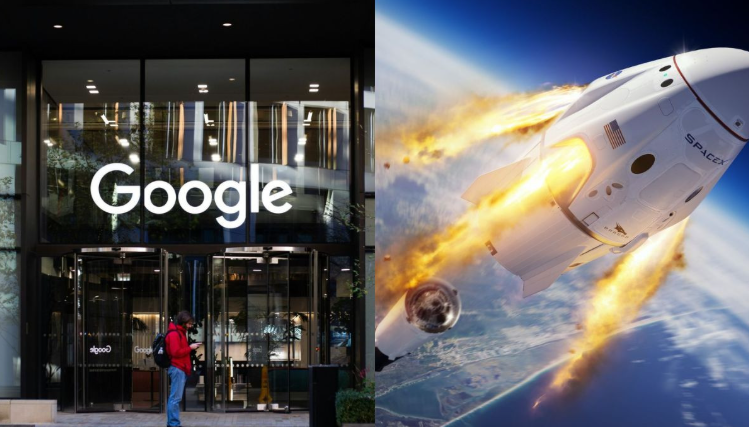
SpaceX has already made significant moves in this arena. On May 6, the company signed a notable agreement with Anthropic, which will pay SpaceX $1.25 billion per month for approximately 300 megawatts of compute power. This deal translates to an estimated annual revenue of around $31 billion per gigawatt of compute. Subsequently, on June 5, SpaceX further expanded its partnerships by renting out approximately 110,000 GPUs to Google for a lease term running from 2026 to mid-2029, valued at approximately $920 million per month.
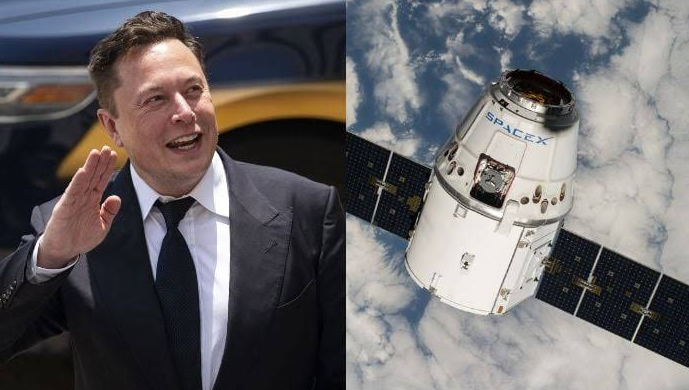
Bleeker notes that while the return from the deal with Google yields $48 billion annually per gigawatt of compute a 4x return over five years it falls short compared to the margins achieved by OpenAI and Anthropic. Despite this, the revenue prospects are substantial enough to alter SpaceX financial landscape dramatically. The rapid push for expansion is informed by these economic indicators, with Semi Analysis forecasting that SpaceX might invest between $300 billion to $500 billion in its compute capabilities by 2027.
The Bull Case: An Arms Race With No Off Switch
The article discusses the escalating competition among major tech companies particularly Microsoft, Google, Amazon, Anthropic, and OpenAI driven by a relentless pursuit of superintelligence. Austin Smith highlights the dichotomy of this scenario: the unlimited demand for superintelligence versus the current bottleneck phase that restricts progress.
The financial data reveals this aggressive expansion; Microsoft’s fiscal Q4 report shows Azure revenue exceeding $100 billion, marking a 41% increase, and a significant rise in new data centers, with 88 added in fiscal year 2026.
They project a capital expenditure of approximately $175 billion for 2026. Google, in a bid to regain its competitive edge, has also ramped up investments with a Q2 2026 capex of nearly $45 billion, supported by substantial equity and debt financing. This financial momentum is crucial as Microsoft prepares to expand its relationship with OpenAI, further intensifying the competitive landscape.
Concurrently, Google is under pressure to enhance its compute capabilities due to its waning performance in AI development, partly attributed to its data center capacity shifting towards Google Cloud, constricting resources for internal projects. Overall, the article portrays a vivid picture of a tech arms race, underscoring the pressure for innovation amidst high economic stakes.
Starlink Remains a Major Catalyst
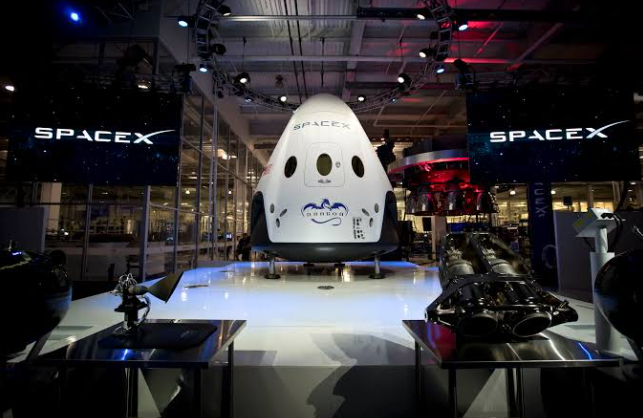
Starlink, SpaceX satellite internet network, is a significant factor influencing the company’s valuation. It has been actively increasing its customer base and geographic reach, which opens avenues for consistent subscription revenue. Ongoing advancements in satellite technology and launch methods further enhance its potential for growth and profitability.
Why the Inference Economics Look So Good, For Now
Current inference margins are driving a significant rise in capital expenditures (capex), particularly in the technology sector. Notably, Anthropic’s Opus 4.8 demonstrates an impressive 85% gross margin, while Deepseek investor communication indicated a payback period of merely 10 months for its GPU cluster. Such profitability creates a strong motivation for rapid expansion.
The upcoming IPO calendar is crucial, with major players like SpaceX, OpenAI, and Anthropic anticipated to launch within the next 6 to 9 months; SpaceX has already gone public, and Anthropic is aiming for an IPO in the near future. This potential combined market valuation of approximately $6 trillion could significantly enhance capital for growth, with every dollar raised translating into new orders at TSMC and increased demand for power resources.
The Supply Side: Taiwan Semiconductor Is the Choke Point
The quarterly call for Q2 2026 by Taiwan Semiconductor Manufacturing Company (TSMC) highlighted the company’s awareness of a burgeoning demand in the semiconductor industry, particularly driven by advancements in AI technology. Dr. C.C. Wei, the Chairman and CEO, indicated that the demand outlook is robust, extending through 2029 or 2030, which presents both opportunities and challenges.
TSMC has raised its revenue guidance for the full year of 2026 to exceed 40% year-over-year growth in USD terms and has increased its capital expenditures to between $60 billion and $64 billion. Notably, the company is committing an additional $100 billion to its investment in Arizona, elevating total investments in the state to $265 billion.
Advanced manufacturing nodes, specifically those at 7nm and below, are critical to TSMC revenue, constituting 77% of wafer revenue, while the 2nm process technology has just commenced contributing 3%. Following this strong demand signal, TSMC stock has surged 41% year-to-date. However, the company also faces the challenge of being a potential chokepoint in the semiconductor supply chain.
Its constrained capacity for advanced nodes may hinder broader industry growth, particularly in preventing potential overbuilding that could lead to significant corrections in AI infrastructure stock markets. This dual role as a leader in demand and a potential bottleneck underscores the complex dynamics within the semiconductor sector, emphasizing the need for strategic planning moving forward.