During the extended deployment of the USS Abraham Lincoln a prominent US aircraft carrier, concerns have arisen regarding the mental health of its sailors. The ship has been involved in a prolonged military campaign against Iran, with its deployment extending beyond 260 days. Reports indicate troubling incidents where some sailors attempted to jump overboard, and one individual was recently rescued from the sea.
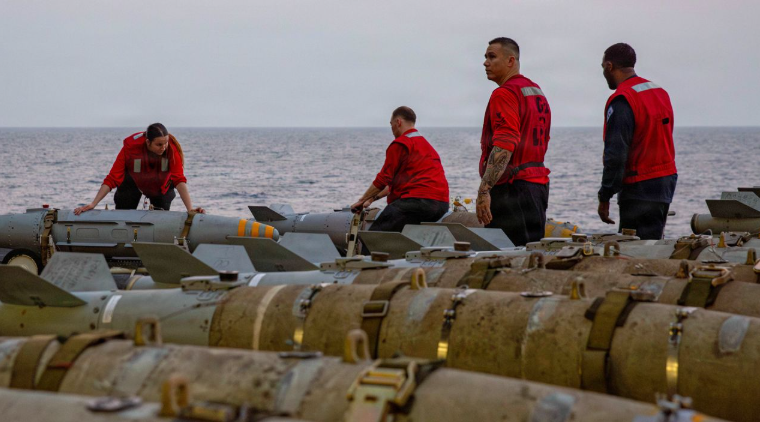
Although the US Navy has not confirmed a rise in suicidal ideation among the crew, apprehensions from family members and lawmakers are escalating due to these unsettling events. Compounding the situation, many sailors have faced food shortages and challenging living conditions throughout this nine-month deployment. To alleviate these issues, the USS George Washington is en route to the Middle East to replace the USS Abraham Lincoln, with an estimated arrival in about nine days.
USS Abraham Lincoln Faces Mental Health Concerns Amid Prolonged Deployment
The USS Abraham Lincoln (CVN-72) is currently facing an atypical crisis that revolves around the mental health of its sailors rather than physical damage or external threats. Recent media reports have indicated that several sailors deployed aboard the carrier attempted to jump overboard, prompting serious concerns regarding the psychological well-being of personnel amid prolonged deployments and continuous combat operations.
However, it is crucial to clarify that while there have been accounts of sailors going overboard or attempting to do so, reliable reports do not substantiate claims that any sailors have died from such incidents. At least one sailor was rescued unharmed, and the U.S. Navy has not confirmed any increases in suicidal ideation among the crew. USS Abraham Lincoln
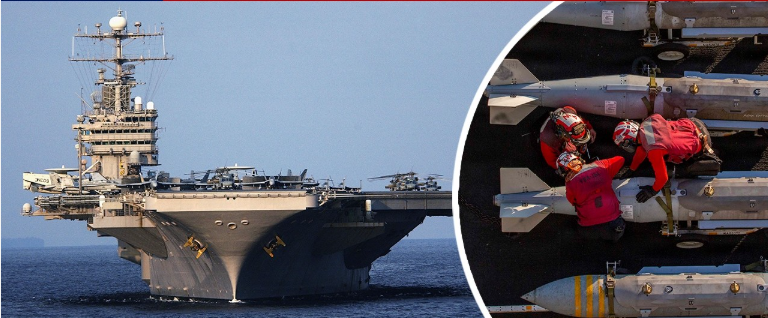
Family members of those aboard the Lincoln have voiced significant concerns over the deteriorating mental health conditions attributed to the stressful environment. Yet, the Navy has acknowledged existing supply challenges but has refuted claims of a mental health crisis affecting the ship’s 5,000 personnel.
In response to these concerns, U.S. President Donald Trump dismissed family worries regarding the health of sailors, asserting that the deployment period had not been excessively long, referring to it as “not nearly long enough.” He also noted the upcoming replacement of the USS Abraham Lincoln with another ship, although he did not disclose the name of this replacement vessel.
The USS Abraham Lincoln’s deployment has lasted over 260 days, significantly exceeding typical naval deployment durations. Initially leaving San Diego in November 2025 for the Indo-Pacific, it was subsequently redirected to the Middle East amidst escalating US-Iran tensions, becoming a critical element in military operations against Iran.
This elongated timeframe, characterized by extended periods at sea with minimal port visits, has raised serious concerns regarding crew fatigue and mental health. Reports from families have indicated dire conditions aboard, including inadequate sanitation, limited port access, malfunctioning plumbing, and shortages of fresh food, which have led some sailors to contemplate drastic measures. USS Abraham Lincoln
The USS George Washington is set to replace the Lincoln and is currently en route to the Middle East, marking a shift in naval presence as no US aircraft carrier will remain in the Pacific. As of mid-August, the Lincoln has been at sea since December 11, with an expected arrival at Duqm port in Oman around August 22, where it will join the USS George HW Bush and reinforce US naval capabilities in the region.
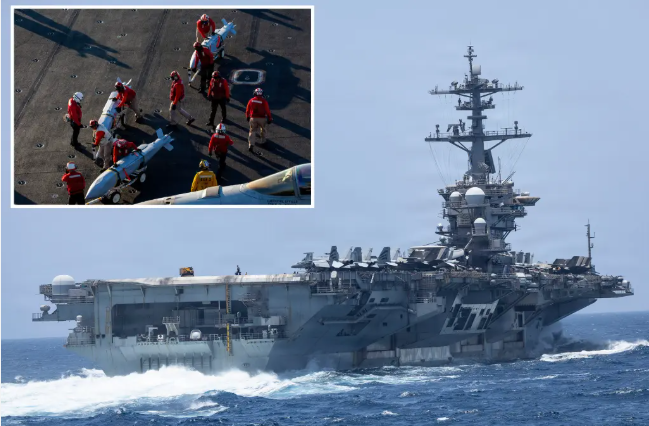
Key Facts at a Glance
- Around 5,000 sailors and Marines are deployed aboard USS Abraham Lincoln.
- The ship’s deployment has exceeded 260 days.
- It was initially deployed to the Indo-Pacific.
- It was later sent to the Middle East because of the military campaign against Iran.
- The ship remained away from regular port visits for extended periods.
- Families and lawmakers have expressed concern about the mental health of personnel.
- USS George Washington is being sent to replace the Lincoln.
Around 5,000 sailors and Marines are currently deployed aboard the USS Abraham Lincoln, which has been on deployment for over 260 days. Initially tasked with operations in the Indo-Pacific region, the ship was redirected to the Middle East as part of the ongoing military campaign against Iran.
This extended deployment has resulted in the ship being away from regular port visits for significant periods, raising concerns among families and lawmakers regarding the mental health and well-being of the personnel. To alleviate some of these pressures, USS George Washington is being sent to replace the Lincoln.
Why Are Attempts to Go Overboard Such a Serious Warning Sign?
Attempts to go overboard from an aircraft carrier, likened to a small floating city, signify serious psychological concerns due to the confined environment in which thousands of sailors live and work. Prolonged deployments can lead to heightened psychological pressure, exacerbated by the stress of military operations and limited opportunities for personal interaction and respite. Port visits are essential not only for rest but also for maintaining mental health and morale, as they provide sailors with the necessary break from the continuous work cycle.
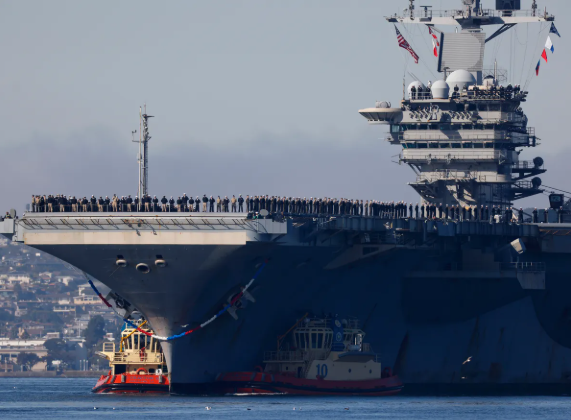
In addition to psychological challenges, allegations concerning inadequate living conditions have surfaced, including shortages of food, plumbing issues, compromised water quality, and sanitation problems. Families of service members have expressed worry regarding their loved ones’ welfare, as extended periods on the ship compromise adequate rest and necessary living standards.
US defense officials, however, have disputed many of these claims, characterizing them as inaccurate or exaggerated. Secretary of Defense Pete Hegseth has emphasized that the Navy facilitates a support system on board, with counselors and chaplains available to assist sailors in managing their welfare during such demanding deployments.
Sailor Overboard Incident Raises Fresh Mental Health Concerns
In an interview with the BBC, a relative of a sailor aboard the USS Abraham Lincoln revealed that the family member had lost 65lbs (29kg) during the ship’s deployment and was experiencing severe exhaustion attributed to constant noise from aircraft and ship vibrations. The source, remaining anonymous due to fears of retaliation, mentioned that sailors had reportedly attempted to jump from the ship, indicating distress among the crew.
Jefferson Kelly, whose son Jackson is serving on the Lincoln, expressed his deep concern after nearly nine months at sea, highlighting that standard deployments usually last around six months. He criticized the prolonged deployment of what he described as aging ships that require significant maintenance. Kelly stated his willingness to personally arrange transport to bring his son home to his family.
The U.S. Navy has refuted claims of increased suicidal behavior on the Lincoln while acknowledging disruptions in supplies due to ongoing combat actions related to the war with Iran. Democratic lawmakers have raised alarms regarding the living conditions on the ship. In a letter addressed to Secretary of Defense Pete Hegseth and Secretary of the Navy Hung Cao, Senator Richard Blumenthal of Connecticut emphasized the urgent need to address the reported shortages and hazardous conditions.
Blumenthal posited that these issues highlight a larger concern regarding the Navy’s ability to maintain the current operational tempo demanded of its aircraft carrier fleet. In response, Hegseth claimed that some media reports were based on misrepresentations. He reassured the public that the U.S. government is committed to ensuring that all ships and crews receive the necessary support and resources at all times.
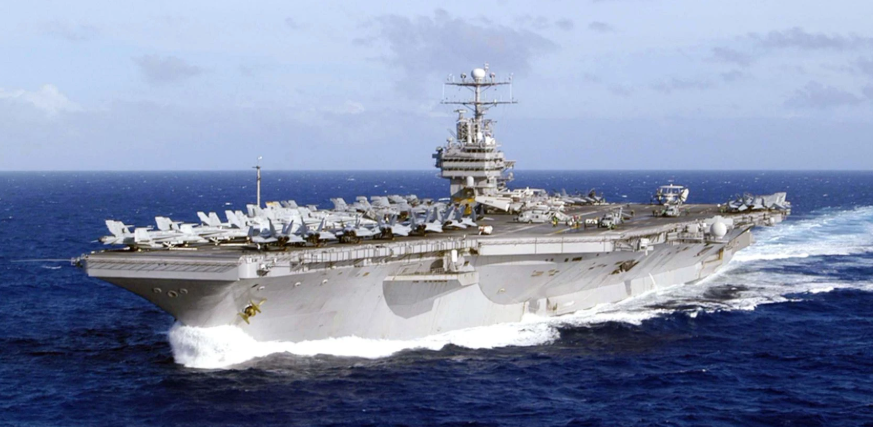
The situation aboard the USS Abraham Lincoln, a Nimitz-class nuclear-powered aircraft carrier, is under scrutiny, but it is important to avoid generalizations about poor conditions for all sailors. Notably, the recent incident on August 3, where a sailor went overboard, has exacerbated concerns surrounding mental health and prolonged deployments. Fortunately, the sailor was rescued within an hour and did not sustain any injuries, with reports suggesting that the incident was related to mental health rather than a mass epidemic of suicides as exaggerated on social media.
The USS Abraham Lincoln is more than just a transport vessel; it plays a critical role in the U.S. military’s efforts against Iran, particularly demonstrated by a February 2026 incident where a US F-35C shot down an Iranian drone while the ship operated in the Arabian Sea. This ongoing military engagement underscores the substantial pressures faced by the crew.
In a significant development, the United States has decided to send the USS George Washington to replace the USS Abraham Lincoln, which may alleviate some of the operational stresses on the crew. This transition is viewed as a necessary step in addressing the mental health challenges and overall living conditions aboard the Lincoln, as it ends a prolonged mission and potentially provides relief for its sailors.
USS Abraham Lincoln Deployment Exposes Three Major Challenges for the U.S. Navy
The strategic repositioning of military assets is a significant development, as the United States moves the USS George Washington from the Pacific to the Middle East. This shift indicates a reduction in military presence in the Indo-Pacific region, coinciding with China escalating military activities. Concerns regarding US naval capabilities have been amplified by this move, particularly about the USS Abraham Lincoln’s extended deployment.
President Donald Trump, when asked about this situation, downplayed apprehensions regarding the duration of the USS Abraham Lincoln’s mission, stating it was “not nearly long enough” and indicating that it would be succeeded by another aircraft carrier soon.
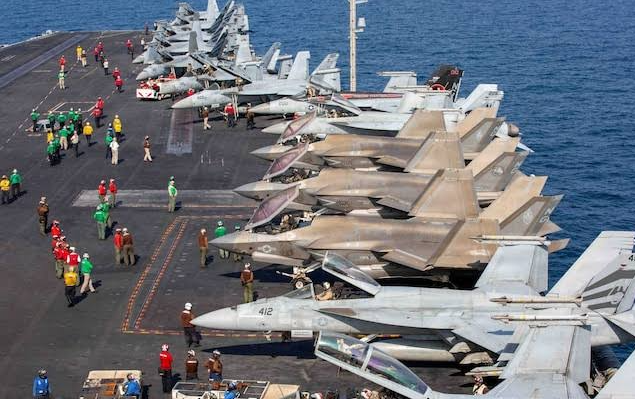
This has sparked a controversy, with families of sailors and some lawmakers expressing worries about the conditions faced by deployed personnel. In contrast, the administration underscores the operational demands and successes associated with these military missions. Furthermore, the challenges facing the US Navy extend beyond the USS Abraham Lincoln, as prolonged deployments during extended conflicts pose three significant obstacles for naval operations.
1. Sailors Mental Health
Spending extended durations away from their families, coupled with the relentless operational pressures and the stressors associated with warfare, can significantly impact the mental health of sailors. This prolonged separation and the associated emotional strain can lead to a range of mental health issues, highlighting the need for adequate support systems and resources for those serving in maritime operations.
2. Ship Maintenance
Regular maintenance is essential for every warship, particularly because extended periods at sea can exacerbate the demands on maintenance schedules and crew rotations. This necessity underscores the importance of systematic upkeep to ensure operational capability and crew well-being.
3. Global Military Balance
The deployment of the USS George Washington from the Pacific to the Middle East signifies a strategic shift in U.S. global military operations. This action illustrates the notion that the repositioning of military assets like aircraft carriers is not merely a logistical maneuver, but part of a larger military strategy that prioritizes certain regions over others. The movement highlights the complexities involved in maintaining a global military presence, as sending a carrier to one area inherently limits its availability in other regions, reflecting the balancing act within U.S. military capabilities and strategic priorities.
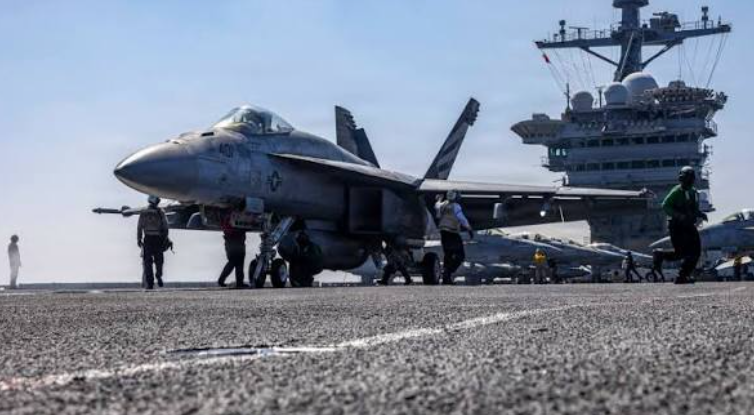
What Does This Mean for Ordinary People?
The conflict between Iran and the United States has significant implications beyond the battlefield, particularly for global oil and maritime trade. The Strait of Hormuz, a critical energy route, may experience heightened pressures on crude oil prices, shipping costs, insurance rates, and global supply chains if regional tensions persist. This situation is particularly concerning for India, a country heavily reliant on imported crude oil for its energy requirements. Thus, discussions about the USS Abraham Lincoln represent a broader conflict with potential repercussions on oil prices, trade, inflation, and the global economy.
Additionally, the prolonged deployment of USS Abraham Lincoln raises serious concerns regarding the mental health of its crew. While there have been reports of sailors attempting to go overboard, the US Navy has not confirmed an increase in suicidal thoughts among personnel and asserts that mental health support is available on board.
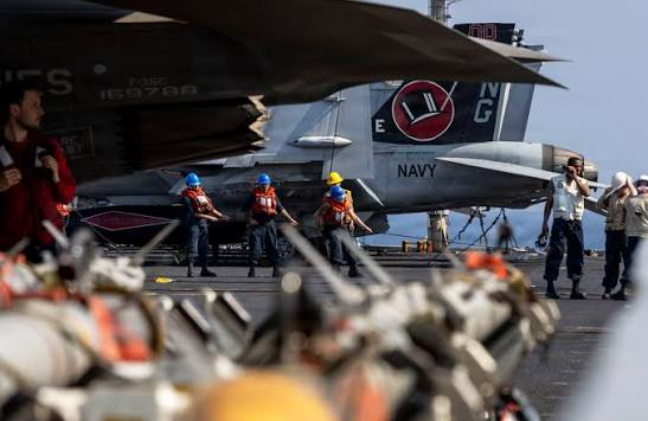
The crucial question now is whether the incoming USS George Washington will alleviate the crew’s strain and if the Navy will adapt its deployment strategies in light of these experiences. The situation not only highlights American military capacity but also the human costs associated with long-standing military operations. Claims circulating about sailors jumping overboard must be approached cautiously, as reliable reports primarily indicate attempts rather than confirmed fatalities.
Pingback: Why Is Trump Threatening to Bomb Gulf of Oman? Full Context Behind the Iran Hormuz Crisis - internationalmediawire.com