The recent floods in Nepal, triggered by a catastrophic glacial collapse, have resulted in a significant humanitarian crisis. As of Thursday, the death toll has risen to at least 353 people, with 826 individuals reported missing, including 65 Americans. The Nepal Police are actively coordinating search and rescue operations, focusing on the severely affected areas of Nuwakot and Rasuwa. Among the missing are 113 Nepali tourists, 85 security personnel from both the army and police, alongside 161 local residents. Efforts to locate the missing individuals are being intensified.
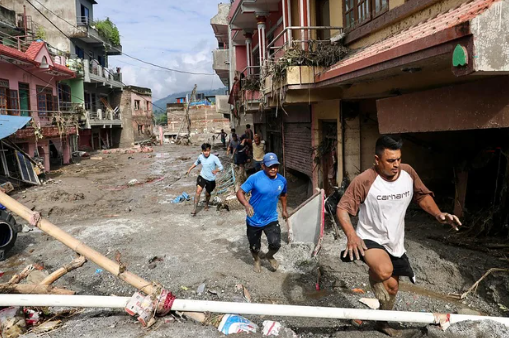
Additionally, reports from the National Emergency Operation Center highlight the challenges faced by rescue teams in the wake of the disaster. In neighboring Tibet, a report by Chinese state broadcaster CCTV mentions that 558 people are missing, with 260 foreigners among them, while only two villagers have been rescued.
The situation remains dire, with ongoing efforts to search for survivors and assess the full impact of the floods as authorities respond to this unprecedented disaster. The scale of the rescue operations underscores the seriousness of the crisis affecting both Nepal and Tibet, drawing international attention and concern for those still unaccounted for.
65 Americans missing, Nepal Tourism Board says
The Nepal Tourism Board has reported that at least 65 Americans are among the foreign nationals missing in Nepal, a figure that has nearly doubled since the previous day. Hikmat Singh Ayer, the CEO of the board, communicated this update to CBS News on Thursday. Concurrently, the tourism board confirmed the rescue of 27 foreign nationals from the flood-affected Rasuwa district, including two American citizens, a man and woman in their 50s.
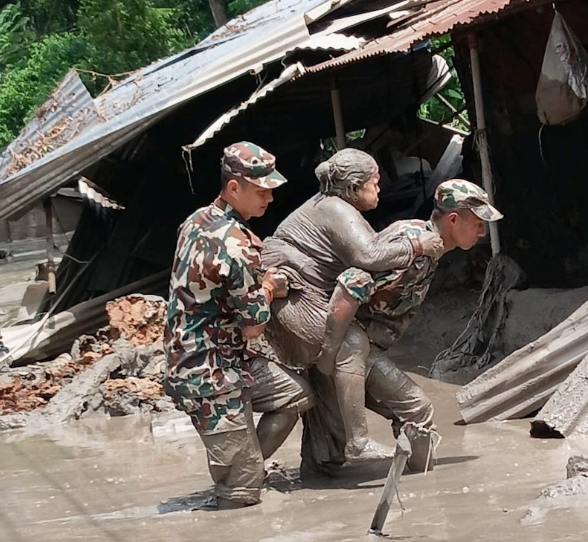
U.S. Secretary of State Marco Rubio expressed solidarity with the Nepali people, stating on social media that the U.S. is prepared to provide humanitarian assistance to Nepal. The U.S. Embassy in Nepal also extended heartfelt condolences to the families of those who have lost their lives due to the catastrophic floods and mentioned ongoing efforts to locate U.S. citizens potentially impacted by the disaster.
Floods In light of the severe communication disruptions in the region, the embassy urged U.S. nationals to reach out to their families, hotels, guides, or trekking companies as quickly as possible. The U.S. State Department is actively monitoring the situation and has dispatched an adviser to assist in response efforts. Additionally, they are providing a $500,000 grant to Catholic Relief Services to aid in the humanitarian response.
What you need to know
- Flash floods have killed more than 350 people and some 1,000 are still unaccounted for as search efforts continue
- At least 700 foreign tourists are among the missing in the catastrophe near Nepal border with China Tibet, which swept a road thronged by trekkers and pilgrims
- Rescuers are using helicopters in the search and are dropping tents, food and other emergency supplies to thousands cut off in towns and valleys
- The flooding appears to have been triggered by a glacier collapse, experts say
- Nepal Floods disaster authority has warned that a lake formed by a blockage in the river at the site of Wednesday flood is rising and at risk of bursting
Search and rescue efforts intensify
Search and rescue efforts have escalated in response to devastating flash floods that have ravaged villages and infrastructure, including houses, roads, bridges, and power plants. Regional news outlets and social media have circulated videos that showcase the catastrophic force of the floods, characterized by torrents of water surging through valleys and mountain passes, resulting in the destruction of bridges, dams, and buildings.
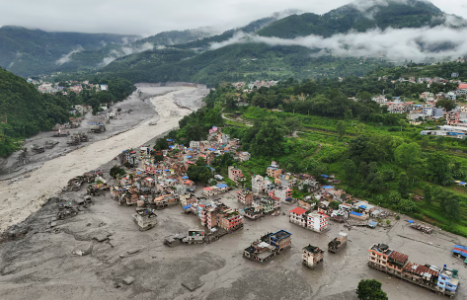
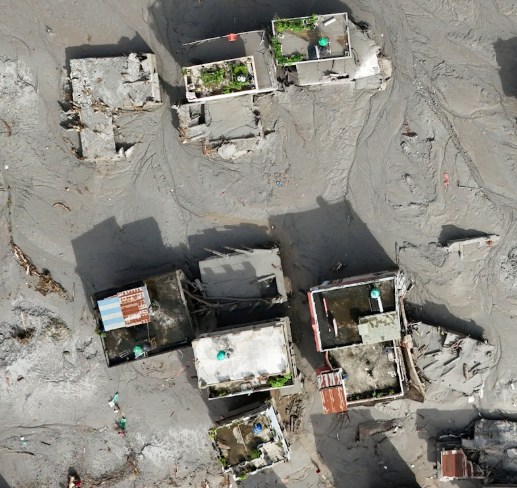
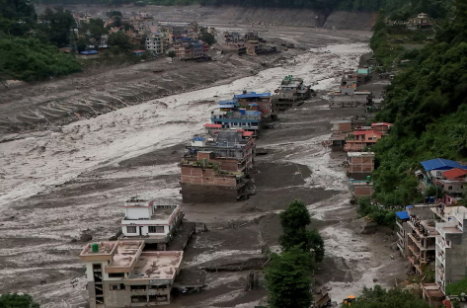
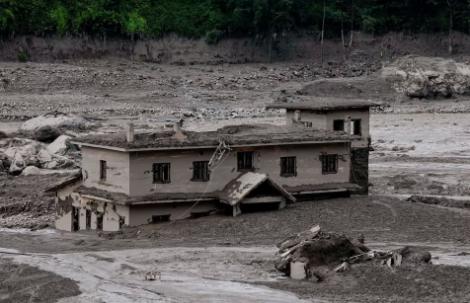
Drone footage from Nepal on Wednesday revealed extensive damage, illustrating destroyed roads and buildings submerged under rushing water resembling wet cement. The region steep valleys serve as crucial economic lifelines and travel routes but turn perilous in times of disaster. Images from Nepal severely impacted Nuwakot district depicted second floors of structures encrusted with mud after being inundated by the floodwaters.
Floods Debris became entangled in tree branches and electrical wires, while vehicles were immobilized under the debris, and some bewildered survivors emerged covered in mud. The flooding has severely disrupted travel in various locales, complicating rescue efforts.
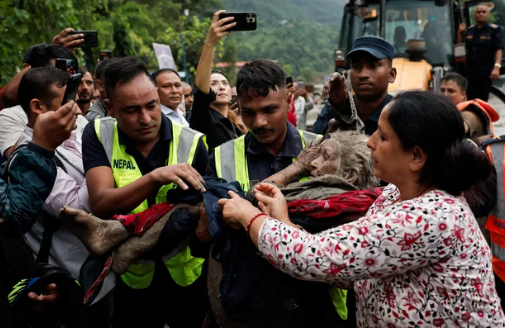
The recent flood in Dhunge bazaar caught residents off guard, leaving little time for evacuation. Shoyam Rajbhandari, a local resident, reported that the flood struck shortly after the morning commute began, raising concerns over the number of individuals unaccounted for. In response to the crisis, the Nepalese army quickly mobilized, utilizing helicopters to rescue over 100 individuals from affected areas. Floods
Army spokesperson Brigadier General Raja Ram Basnet confirmed that at least eight foreign nationals were successfully airlifted to Kathmandu, with additional operations targeting those trapped in facilities associated with the Trishuli hydropower project.
Floods Tragically, bodies were discovered approximately 62 miles downstream in Chitwan district, and several injured victims have been transported to Kathmandu for urgent medical assistance. Meanwhile, in Tibet, a severe mudslide near Gyirong Port contributed to the disaster, with reports indicating mud depths averaging over 5 feet and in some sections exceeding 6 feet.
This event resulted in significant damage to roads leading to the port and cut off communications in the area. Authorities warned that ongoing light rain might trigger further landslides or collapses, complicating recovery efforts.
CCTV reported the discovery of a barrier lake near the port, complicating ongoing rescue efforts. In response, Chinese authorities deployed a large military transport aircraft to aid the region. Earlier reports from Nepal indicated that hundreds of foreigners, including Indian pilgrims visiting the sacred site of Mount Kailash in Tibet, are unaccounted for.
In a reaction to the catastrophic floods affecting Nepal and Tibet, the Dalai Lama expressed his condolences, stating, “I pray for all those who have lost their lives, and offer my sympathy and heartfelt condolences to the bereaved and to all those affected by this tragedy,” as reported by the French news agency AFP. Floods
Glacier collapse, not earthquake, seen as catastrophe cause
The recent disaster near Kathmandu, which was initially attributed to a magnitude 4.4 earthquake, has been reclassified by the U.S. Geological Survey (USGS) as a catastrophic event resulting from a glacier collapse, with the actual magnitude determined to be 5.2. This finding was derived from data collected from seismic stations, analysis of long-period seismic waves, and satellite imagery. Importantly, the USGS confirmed that no earthquake occurred during this incident.
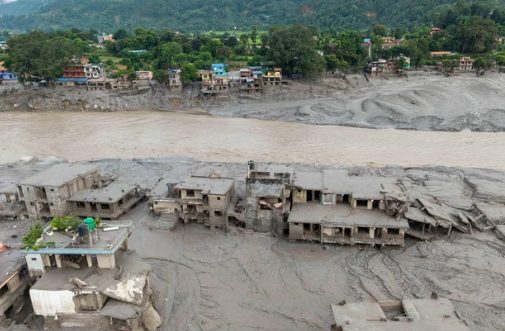
Experts from the International Centre for Integrated Mountain Development, located in Kathmandu, suggest that the event was likely triggered by an avalanche from a glacier, leading to a flash flood. Their hydrological observations revealed that the flood wave exhibited extraordinary speed and magnitude, indicating a dramatic increase in water levels; specifically, the Trishuli River experienced a rise of up to 27 feet within just half an hour. Floods
The Lhende Khola River, a tributary of the Bhotekoshi River, was identified as having experienced the most significant flooding as a result of this event. This incident highlights the growing concerns about the impacts of climate change on glacial stability and associated hydrological events in the region.
Climate change threat to region increasing
Climate change poses a significant threat to the region, as highlighted by the recent flooding of the Lhende Khola river, which has occurred twice within a span of 14 months. The latest flood was caused by an ice rock avalanche from a glacier on the Nepal side, which blocked the river and subsequently released a sudden surge downstream. Saswata Sanyal, a disaster risk reduction specialist at a climate research group, emphasizes the urgent need for early warning systems in light of the rapidly warming Himalayan region.
The accelerated melting of Himalayan glaciers is not an isolated incident; it signifies a broader pattern that endangers communities, infrastructure, and water supplies in one of the world most densely populated areas. This increasing instability of the Himalayan ice system underscores the pressing impacts of climate change, affecting not only local populations but also having wider implications for the surrounding environment and ecosystems.
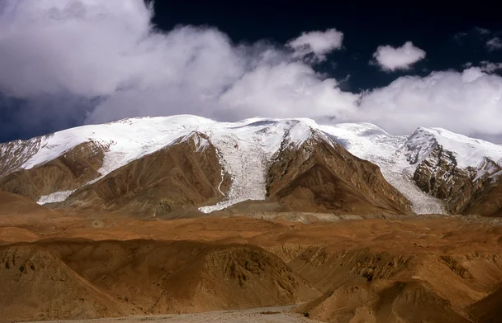
In August of the previous year, flash floods occurred in the Himalayan region after a glacial lake in Tibet overflowed due to elevated temperatures, resulting in nine fatalities and significant damage to critical infrastructure, notably a bridge linking Nepal and China. The Himalayan mountain range, known for hosting some of the tallest peaks and remaining glaciers in the world, spans several South Asian nations.
The area is particularly susceptible to natural disasters such as flooding and landslides, exacerbated by extreme weather conditions, including intensified monsoons and glacial melt linked to human-induced climate change.
Recent research conducted in Kathmandu highlighted that glaciers in the Hindu Kush Himalaya region have been experiencing accelerated melting, with ice loss rates doubling since the year 2000. This underscores the urgent need for addressing climate change impacts in this vulnerable mountainous region.
Pingback: Blood Moon: Rare Partial Lunar Eclipse Turns Moon Red, Creating a Spectacular Blood Moon - internationalmediawire.com
Pingback: Grand Canyon Flash Flood Sparks Urgent Search for More Than 20 Missing People - internationalmediawire.com