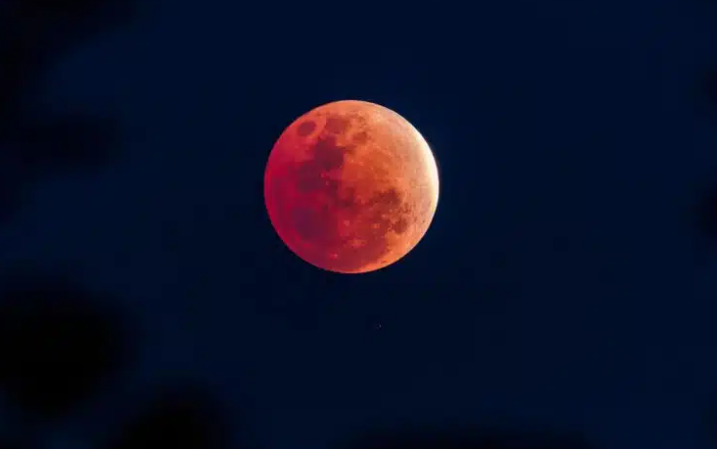
Blood Moon: On the night of August 27 into the early hours of August 28, 2026, a rare astronomical event will occur a spectacular partial lunar eclipse dubbed the “almost blood moon.” This event is distinguished by approximately 96.2% of the Moon surface being enveloped by Earth dark umbral shadow, resulting in a breathtaking display of colors, including copper, rust, and reddish orange, as sunlight filters through Earth atmosphere and refracts onto the moon. Blood Moon
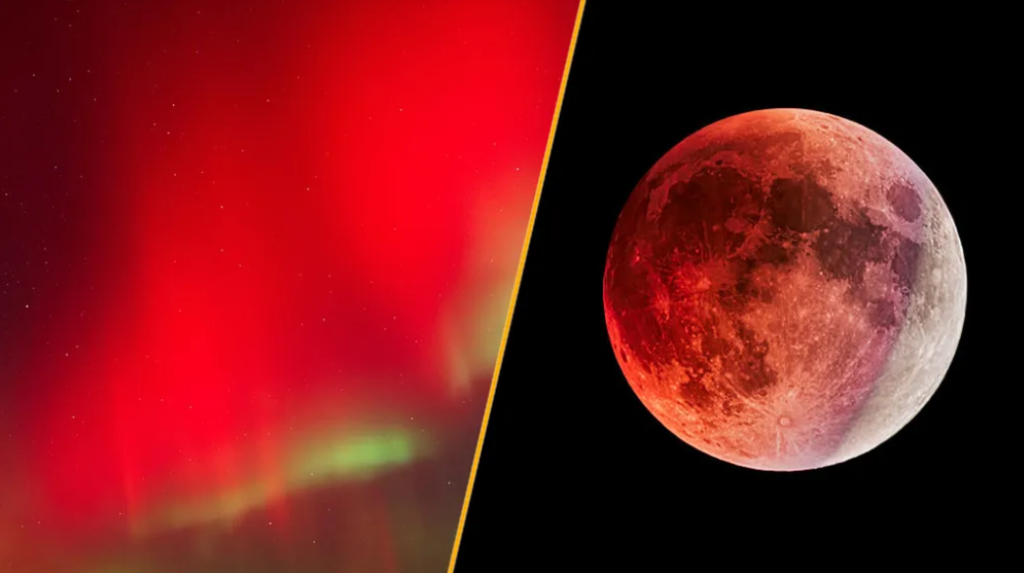
The eclipse is significant, as it comes just two weeks after a notable total solar eclipse enjoyed by viewers in southern Europe. This near-total lunar eclipse is expected to provide some of the best viewing opportunities for observers in North and South America, as well as parts of Europe and Africa. Unlike many complex astronomical observations that require specialized equipment, this eclipse can be easily enjoyed by simply looking up at the sky no eclipse glasses or telescopes are necessary, provided weather conditions are favorable.
Skywatchers are urged to take advantage of this event, as it marks the most impressive lunar eclipse until New Year Eve 2028. The phenomenon will appear particularly striking during maximum eclipse, where only a narrow illuminated sliver of the moon will be visible against a backdrop of a dim, rusty-red lunar disk. The widespread visibility across the Western Hemisphere makes this a remarkable occasion for stargazers eager to witness the beauty of a lunar eclipse transformed into an almost blood moon. A collection of photographs showcasing this mesmerizing event will also be available post-eclipse, capturing the global spectacle of this rare occurrence.
What happens during a lunar eclipse?
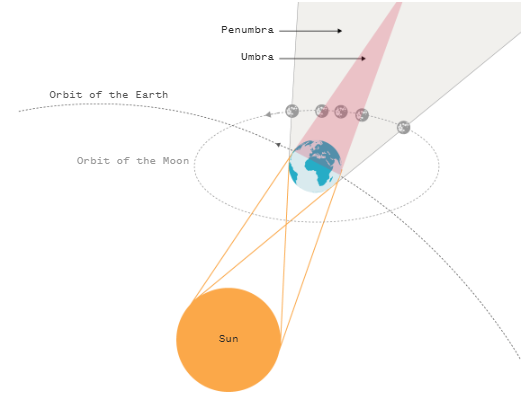
A lunar eclipse occurs when the sun, Earth, and moon align, causing the moon to enter Earth cone-shaped shadow. This shadow comprises two main parts: the umbra, which is the darkest section, and the penumbra, which is the lighter, outer region.
Observers in North and South America, with the exception of Alaska and northern Canada, can witness all phases of the lunar eclipse. In contrast, those in Europe and Africa will experience the eclipse beginning early Friday, with the moon setting as the event unfolds.
Lunar eclipses are distinct from solar eclipses in that they can be safely viewed with the naked eye, though binoculars and telescopes offer enhanced views of the event. A lunar eclipse often follows a solar eclipse, where the sun, moon, and Earth align, with the moon obstructing the sun light. This last solar eclipse was visible in regions including Spain, parts of Portugal, Greenland, Iceland, and northern Russia.
Blood Moon The occurrence of solar and lunar eclipses typically happens in pairs due to the specific interactions between the moon, Earth, and sun. This unique relationship allows for their apparent alignment from our vantage point on Earth, as the sun is 400 times further away than the moon and also 400 times larger, making them appear to be the same size in the sky.
What Time Is the Blood Moon Tonight?
For viewers across the United States, the Blood Moon eclipse will reach maximum eclipse at 12:12 a.m. EDT on Friday, August 28.
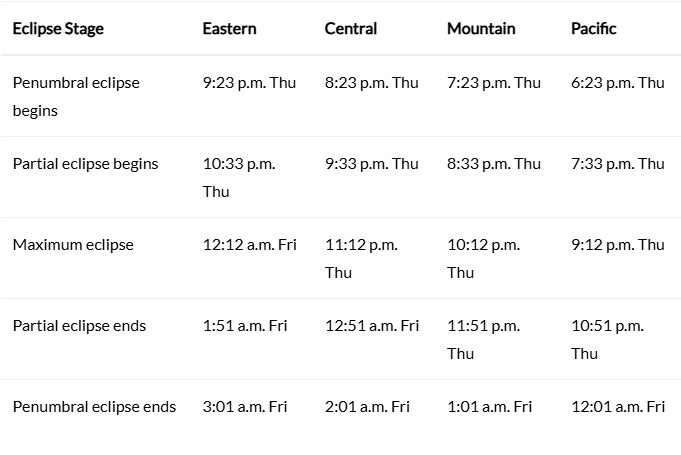
This corresponds to 11:12 p.m. CDT, 10:12 p.m. MDT, and 9:12 p.m. PDT on the preceding Thursday, August 27. During this event, Earth shadow will cover approximately 96.2% of the lunar surface. The total duration of the complete eclipse is about 5 hours and 38 minutes, while the visible partial phase lasts around 3 hours and 18 minutes. For those with limited time for viewing, it is recommended to observe the eclipse approximately 30 minutes before and after the maximum eclipse, as this period offers the most dramatic transformation of the moon. Blood Moon
Why Tonight Moon Will Look Red
During a lunar eclipse, the Moon appears red due to the way Earth atmosphere interacts with sunlight. The Moon does not generate its own light; it reflects sunlight. In such an eclipse, Earth lies directly between the Sun and the Moon, casting two types of shadows: the penumbra (the lighter outer shadow) and the umbra (the darker central shadow). When the Moon moves into the umbra, most direct sunlight is blocked, but not entirely.
Some sunlight passes through Earth atmosphere, where shorter blue wavelengths scatter while longer red and orange wavelengths pass through more effectively. This scattering leads to the projection of Earth sunrises and sunsets onto the Moon surface, resulting in colors that can range from burnt orange and copper to deep crimson. This striking visual effect is what earns total lunar eclipses the nickname “blood moons,” highlighting the atmospheric conditions that influence the appearance of the Moon during such events.
Is Tonight Actually a Blood Moon?
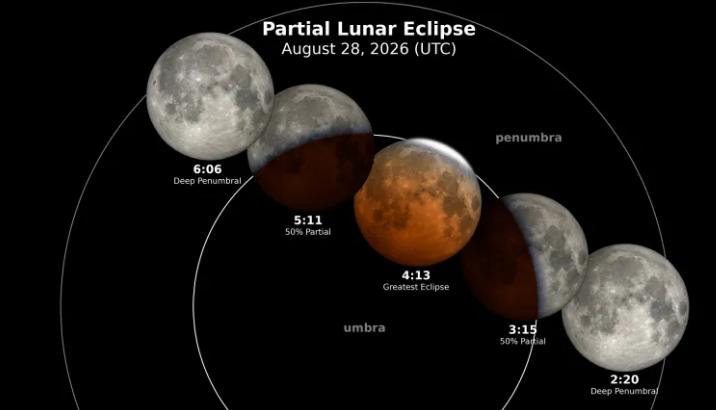
Tonight eclipse is not technically a “blood moon” as defined by strict astronomical standards. A true blood moon occurs during a total lunar eclipse, when the entire Moon is fully within Earth umbra. This evening, the eclipse will feature 96.2% obscuration, meaning only a small segment of the Moon remains outside of Earth deepest shadow. Blood Moon
Visually, the difference between this event and a full blood moon may be minimal; observers can expect to see a predominantly darkened Moon, which may appear reddish due to the shadow, with a thin, brighter edge visible. This eclipse is significant as it marks the deepest partial lunar eclipse since September 2024, and similar visually striking events will not occur again until December 2028, as noted by Space.com.
Tonight Eclipse Is Hitting the Full Sturgeon Moon
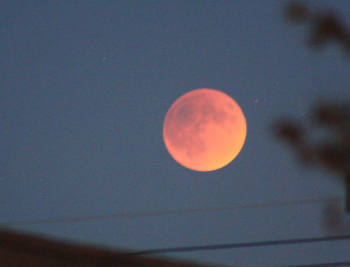
Tonight eclipse coincides with the full Moon, known as the Sturgeon Moon in North America, an event with rich historical naming traditions rooted in Native American, colonial American, and European cultures. The significance of this alignment is highlighted by the geometric relationships required for a lunar eclipse, which can only occur during a full Moon when the Sun, Earth, and Moon are closely aligned.
While tonight alignment is notably close, it will not reach totality, indicating that the Earth shadow will partially cover the lunar surface rather than casting a complete shadow. This occurrence offers a unique opportunity to observe a significant celestial event.
Where Will the August 27–28 Lunar Eclipse Be Visible?
The August 27–28 lunar eclipse presents a prime viewing opportunity, particularly across the Americas, where it will be visible in both North and South America, as well as parts of Europe and Africa. This astronomical event has the potential to engage approximately 3.3 billion people living in regions where the partial phase of the eclipse can be observed.In the United States, the viewing conditions are particularly favorable. Observers on the East Coast can expect to witness the maximum eclipse shortly after midnight.
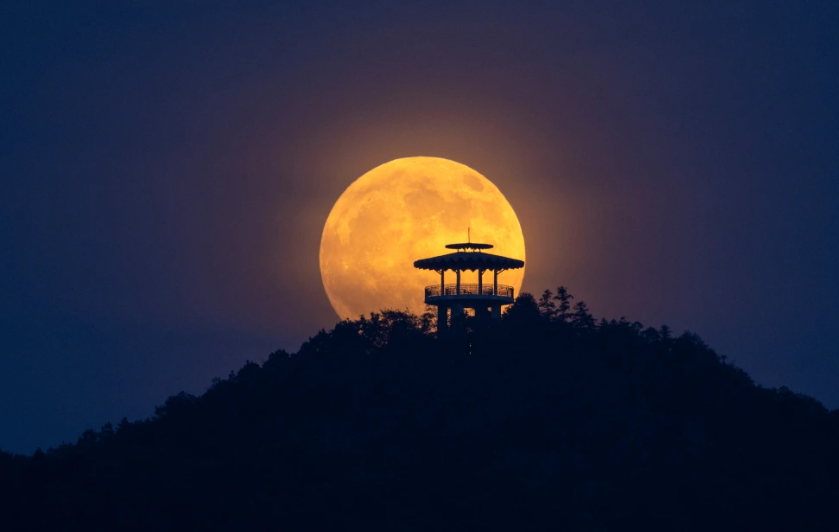
Similarly, those in the Central and Mountain time zones will experience the peak visibility before midnight, while the West Coast may offer one of the most picturesque views of the event, as the Moon will be lower in the sky during the earlier evening hours. This positioning can lead to stunning photographic opportunities, particularly as the reddish eclipsed Moon appears against the backdrop of buildings, mountains, trees, or city skylines.
Conversely, in Europe and Africa, the eclipse will occur later at night or in the early morning hours, with local visibility dependent on the timing of moonset. Countries in Australia and much of Asia will unfortunately miss this event entirely, as they lie predominantly on the daylight side of the Earth during the eclipse, preventing any chances of observation.
There Is No “Path of Totality” Tonight
The article discusses the differences between solar and lunar eclipses, specifically addressing the lunar eclipse occurring tonight and clarifying that there is no “path of totality” for this event, unlike the solar eclipse on August 12, 2026. In a total solar eclipse, the Moon casts a narrow shadow on the Earth, creating a distinct path where the totality can be seen. Conversely, during a lunar eclipse, it is the Earth that casts its shadow onto the Moon, allowing anyone on Earth nighttime side with the Moon visible to observe the eclipse.
This broadens the geographical accessibility of lunar eclipses compared to solar eclipses. The lunar eclipse tonight marks the second significant eclipse of the season, following the recent solar eclipse, reflecting the typical occurrence of such eclipses approximately two weeks apart, which is attributed to the orbital alignment of the celestial bodies.
Pingback: NASA Launches Nancy Grace Roman Telescope to Unlock the Universe Biggest Mysteries - internationalmediawire.com