Iran has claimed victory in its recent conflict, asserting that its strategic maneuvers have successfully countered U.S. military efforts. In response, the United States has shifted its strategy to emphasize economic pressure as a means of undermining Iran influence and capabilities. This economic warfare includes sanctions aimed at crippling key sectors of the Iranian economy, ultimately hoping to weaken Iran geopolitical standing and deter future aggression.
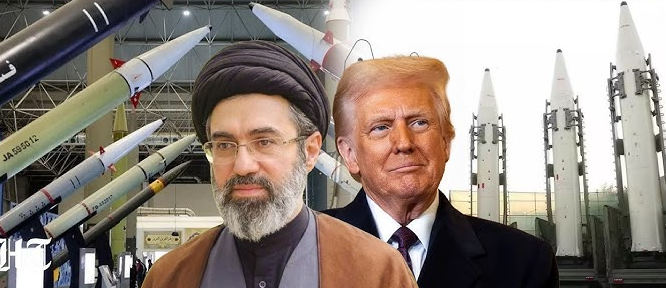
The situation reflects a complex interplay between military and economic tactics, highlighting the evolving nature of modern conflicts where economic strategies are increasingly employed as vital components of national security policy.
What to know about the Iran war today:
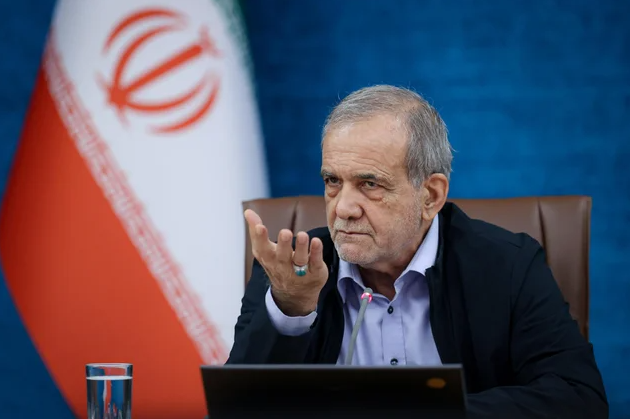
Iran President Masoud Pezeshkian recently declared that the world has “approved” Iran victory over the United States in the ongoing conflict, suggesting that this approval provides a basis for ending the war. He emphasized that the U.S. is now viewed negatively on a global scale, indicating a shift in international sentiment against the nation.
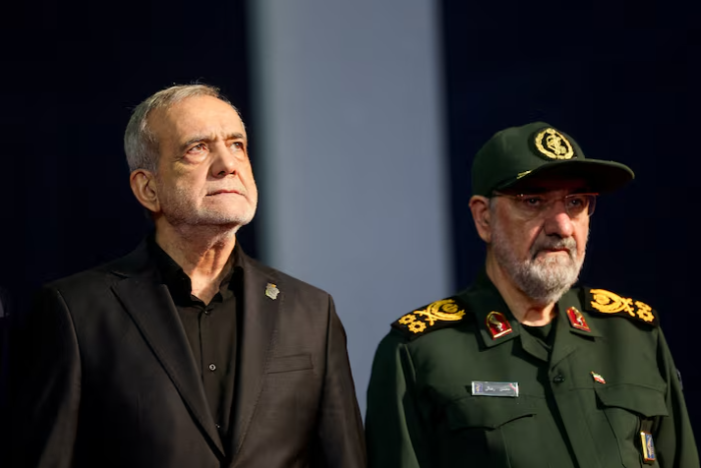
On Saturday, the Egyptian foreign minister engaged in a phone conversation with his Iranian counterpart, aiming to revive negotiations aimed at resolving the ongoing war. During this dialogue, the Egyptian foreign ministry highlighted discussions surrounding Iran ongoing talks with Oman regarding the strategic Strait of Hormuz, as well as the possibility of returning to the U.S.-Iran memorandum of understanding that was established in June. This move reflects Egypt proactive stance in seeking diplomatic solutions and fostering stability in the region.
Iran has allowed Iraqi oil tankers to pass through the strategically significant Strait of Hormuz following multiple requests from the Iraqi government, as reported by state media on Saturday. This decision reflects an ongoing collaboration between the two neighboring countries in managing the transportation of oil through this vital maritime route.
Egypt tries to revive U.S. Iran negotiations
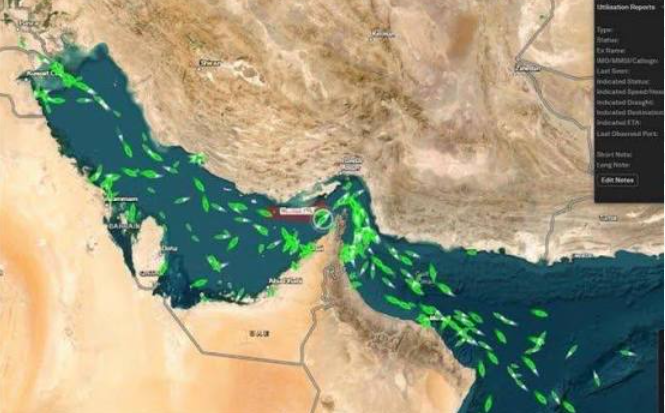
Egypt is actively engaged in facilitating discussions aimed at reviving negotiations between the United States and Iran. The nation foreign ministry reported that Iranian Foreign Minister Abbas Araghchi and his Egyptian counterpart Badr Abdelatty have held talks focused on this initiative. Key points of discussion included the ongoing Iranian-Omani negotiations regarding the management of the strategically significant Strait of Hormuz.
The officials emphasized the current regional situation and the concerted efforts needed to foster a conducive environment for de-escalation and a reinstatement of diplomatic dialogues. This encompasses both the negotiations between Oman and Iran and the urgent need to implement the memorandum of understanding signed between the U.S. and Iran on June 18. The overarching goal of these discussions is to achieve stability through renewed commitments to diplomacy.
Araghchi provided a briefing to Egypt foreign minister regarding Iran perspective on the current developments in the region, the status of ongoing negotiations, and the associated challenges faced. The Egyptian ministry reported this interaction but did not provide further details on the discussion.
Iranian politician threatens Gulf allies of U.S., “shouldn’t complain” if they become targets
Iranian politician Ebrahim Rezaei, spokesman for Iran Foreign Policy and National Security Committee, recently made threats against U.S. allies in the Gulf region, emphasizing that they should not complain if they become targets of Iranian retaliation. He cited reports of American military assets, including aircraft and fuel tankers, being stationed at airports in Qatar, Kuwait, and the Emirates, suggesting these countries have transformed into “enemy bunkers.”
Rezaei reiterated Iran stance that nations aiding the U.S. in its military actions will face consequences, pointing to Kuwait history of attacks, including an incident in the early days of the current war that resulted in the deaths of six American troops. This rhetoric raises concerns about regional stability and the implications of U.S. involvement in the Gulf. Rezaei statements underscore an escalating tension in the area, where Iranian officials are increasingly vocal about their intentions to retaliate against perceived adversaries.
Iran says world has accepted it has defeated U.S.
Iranian state media reported on Friday that President Masoud Pezeshkian declared the conflict with the United States should conclude, asserting that the world has recognized Iran victory. Pezeshkian emphasized that global approval of Iran triumph coincides with a growing disdain for the U.S. These statements were made amidst escalating tensions, as the Trump administration promotes a stringent financial strategy aimed at Iran, labelled by President Donald Trump as an “economic D-Day.”
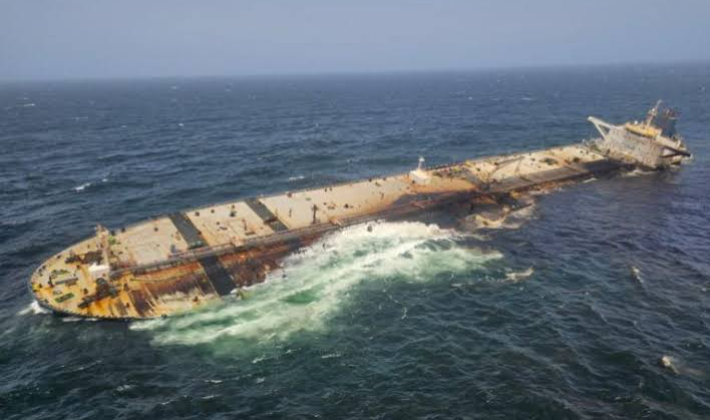
This campaign includes imposing what Trump describes as an “unprecedented” level of economic warfare and isolation designed to compel Iran leadership to relent on its nuclear ambitions and allow for the full reopening of the strategically vital Strait of Hormuz to oil and natural gas shipments.
6 EU countries urge windfall tax on oil companies amid skyrocketing profits during war
Six European Union (EU) countries are advocating for a bloc-wide windfall tax on oil companies in response to skyrocketing profits linked to the ongoing conflict in the Middle East. This call was formalized in a joint letter addressed to Ireland finance minister, who currently holds the EU rotating presidency. The letter, signed by the finance ministers of Germany, Italy, Austria, Poland, Portugal, and Spain economy minister, urges that the topic of a new levy be included in the agenda for an upcoming meeting of EU finance chiefs in Dublin next month.
The document highlights the significant profitability and increasing margins enjoyed by oil companies, which the ministers argue is disproportionate to the fluctuations in crude oil prices. They pointed out that the world is experiencing one of the largest supply shocks in decades, leading to widespread discontent regarding the rising cost of living.
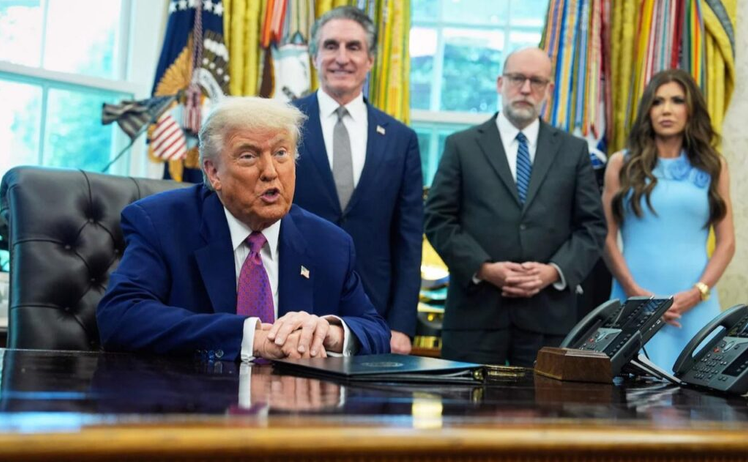
German Finance Minister Lars Klingbeil emphasized the need for energy companies to avoid exploiting consumers during this crisis, reiterating the moral responsibility of these companies amidst hardship for many citizens. The coalition of ministers reflects growing frustrations among EU countries regarding the financial strategies of oil corporations during challenging geopolitical times.
French president and Saudi crown prince will meet to discuss Strait of Hormuz
French President Emmanuel Macron and Saudi Crown Prince Mohammed bin Salman are set to meet in Paris to address the closure of the Strait of Hormuz and explore alternative trade routes during the crown prince two-day visit starting Sunday. The discussions will focus on potential strategies, such as enhancing trade through Omani ports outside the Persian Gulf, expanding existing pipelines within Saudi Arabia, and developing new rail links.

To facilitate energy and logistics connections between the Middle East and Europe, France and Saudi Arabia have formed a task force that will convene at the ministerial level on Monday. This task force will aim to identify strategic projects, secure necessary financing, and define the roles for French companies involved. This visit marks the crown prince first international trip since his November 2025 visit to Washington, signifying its importance in the evolving geopolitical landscape.
Pingback: Cyber attack: Iran Linked Hackers Force UK Power Plant Offline for 4 Days - internationalmediawire.com
Pingback: 2027 Social Security COLA Takes Another Hit: 3 Rising Costs Could Wipe Out Your Raise - internationalmediawire.com
Pingback: Iran War: Trump Approval Hits Record Low as US Support for Iran War Falls - internationalmediawire.com