Canada has announced retaliatory tariffs on various U.S. imports, as declared by Prime Minister Mark Carney on August 22. These tariffs, effective September 8, target U.S. steel, electronics, and other goods, responding to President Donald Trump imposition of 50% tariffs. This decision follows unsuccessful negotiations between the two countries and exacerbates the tension in their long-standing trade relationship. The escalation raises concerns about the future of the U.S. Mexico Canada Agreement (USMCA), which dictates trade dynamics in North America, highlighting the fragile balance in dealings between these allies and the broader economic implications.
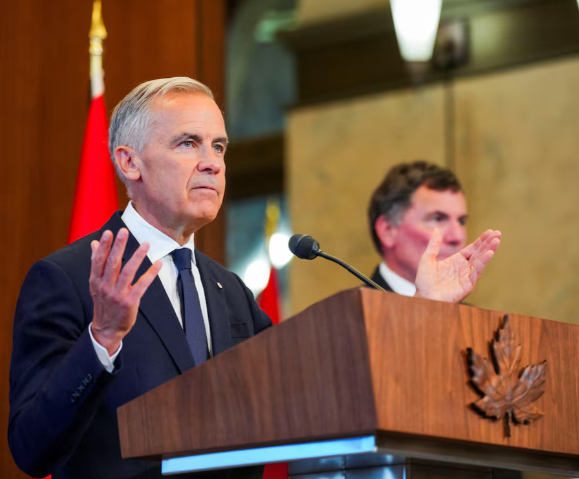
The Prime Minister emphasized that Canada would impose equivalent tariffs as a protective measure for Canadian workers, farmers, families, and businesses. Trump tariffs affect multiple sectors, including wine, furniture, dairy products, cement, clothing, fishing rods, and hockey equipment, impacting approximately $20 billion of Canadian exports to the U.S. Notably, these new duties do not exempt Canadian products under the USMCA, which has previously shielded most Canadian exports to the U.S. over the past 18 months.
Carney stance places him among the few global leaders who are retaliating against U.S. tariffs while vowing to pursue new trade and military alliances, despite the significant reliance of Canada on the United States for nearly 70% of its exports. This evolving situation signals potential shifts in economic relations and underscores the complexities of trade negotiations between two historically allied nations.
In short:
Canada will impose retaliatory tariffs on the United States, Canadian Prime Minister Mark Carney has announced.
The move comes after the US imposed 50 per cent tariffs on $US20 billion ($AU1.4 billion) worth of Canadian products, and negotiations between the countries fell apart.
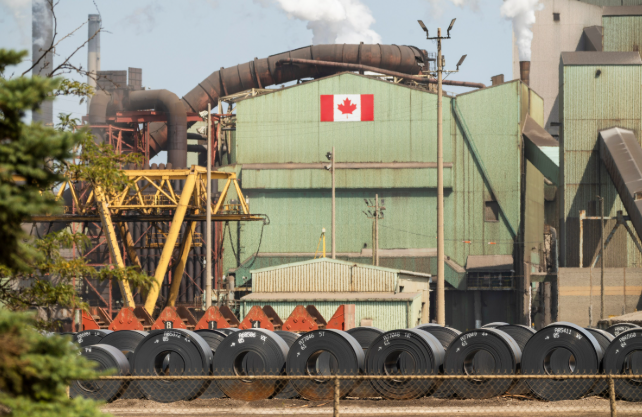
What’s next?
Canada dollar-for-dollar retaliation will come into effect on 8 September.
Canada has announced plans to retaliate against the United States for imposing a 50 percent tariff on $20 billion worth of Canadian goods. Following unsuccessful last-minute negotiations aimed at easing tensions between the two countries, Canadian Prime Minister Mark Carney stated that these retaliatory tariffs are set to take effect on September 8. During a news conference in Ottawa, Carney indicated that further details regarding the new tariff measures would be released in the coming days, specifically noting that they would come into force the Tuesday after Labor Day.
US President Donald Trump import taxes are expected to impact approximately 5% of Canadian exports to the United States annually, affecting a diverse range of products from hockey sticks to tongue depressors. In response, Canada plans to implement a dollar-for-dollar retaliation strategy that will focus on tariffs for various sectors including steel, dairy, appliances, agricultural equipment, pulp and paper, and electronics.
Canadian officials, including Mr. Carney, have indicated a willingness to remove retaliatory tariffs on steel, aluminum, and automobiles if the US agrees to significantly reduce its own tariffs. Additionally, Canada is ready to persuade provinces to restore US alcohol sales. However, Mr. Carney emphasized that the final demands from Washington were excessive, stating, “They asked too much and offered too little.”
Future trade agreement in question
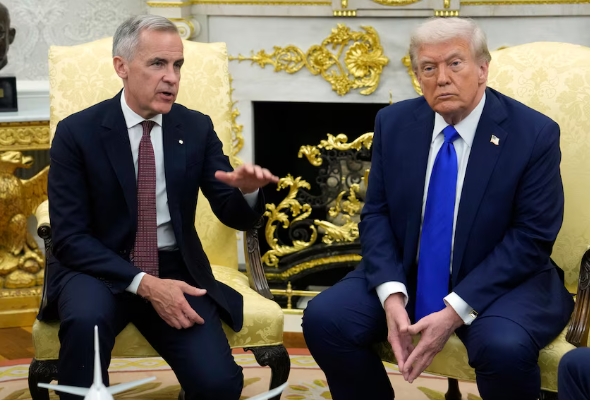
The future of a North American trade agreement involving the United States, Canada, and Mexico is now in jeopardy due to recent retaliatory actions and disagreements over terms. Canada had previously sought concessions on tariffs related to steel, aluminum, automobiles, and lumber. However, Canada has chosen not to finalize the trade agreement based on the terms previously negotiated, according to US Trade Representative Jamieson Greer.
He noted that Canada new demands and retractions of earlier commitments disrupted the delicate balance reached in discussions.Canadian Trade Minister Mr. Carney attributed this breakdown to last-minute changes made by the Republican administration, claiming these alterations were unfair, uneconomic, and raised concerns regarding the reliability of any future deals.
In response to the ongoing situation, he announced that the Canadian government would provide additional support for its workers and businesses in light of the trade uncertainties. Greer maintained that the US proposal was “forward-looking,” emphasizing its potential as a historic partnership in terms of economic and national security.Currently, no further negotiations are scheduled, leaving the future of the trade agreement uncertain.
Canada and America won’t ‘return to our old friendship’
Canada and the United States have experienced a significant breakdown in negotiations, diverging sharply from an earlier optimistic outlook that hinted at a potential compromise. Canada aim in these discussions has emphasized the pursuit of a favorable agreement rather than hastily accepting any deal. Initial plans for US tariffs on Canadian goods were scheduled to take effect at 12:01 AM local time on a Wednesday, but President Trump extended the deadline by three days to facilitate further talks. Ultimately, however, no agreement was reached before the expiration of this extension.
Trade relations between the two nations have been fraught for decades, often characterized by disputes over issues like Canadian softwood lumber imports and American access to Canada dairy market. Despite these tensions, Canada and the US have historically maintained friendly, allied relations; Canadian troops served alongside American forces in Afghanistan following the events of September 11, and a significant daily flow of people approximately 330,000 crosses the border. Additionally, around 800,000 Canadians reside in the United States.
Trump current approach marks a notable shift from the traditional cooperative dynamic that has defined US-Canada relations. His administration imposition of tariffs on Canadian goods aims to revitalize American manufacturing, a stance that has been accompanied by provocative remarks about Canada potentially becoming the 51st state of the US. In this heated context, Mr. Carney remarked that Canada has acknowledged a transformation in the American stance, making clear that the two nations would not revert to their previous relationship dynamics.

Sticking Points
One significant sticking point in negotiations was the treatment of larger vehicles, specifically concerning tariff terms for light-duty vehicles. Canadian representatives argued for the extension of favorable tariff conditions to include medium- and heavy-duty trucks, a proposition that faced resistance from the U.S.
The American stance would effectively exclude several Canadian-made truck models, such as the Ford F-350, F-450, and F-550, along with the General Motors Silverado, which could diminish the competitiveness of Canadian production in the automotive sector. Additionally, there were U.S. proposals that raised concerns regarding Canadian culture, language, and sovereignty, although specifics were not disclosed.
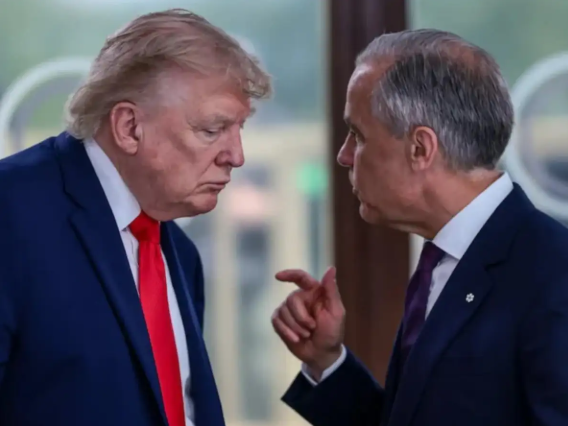
Carney, the negotiator who was elected on a pledge to be assertive in discussions with the Trump administration, enjoys considerable approval among Canadians, who generally oppose making concessions to the U.S. Opposition leader Pierre Poilievre emphasized the need for Canadians to unite against perceived unfair attacks on their jobs and businesses, reinforcing a strong stance against U.S. demands.