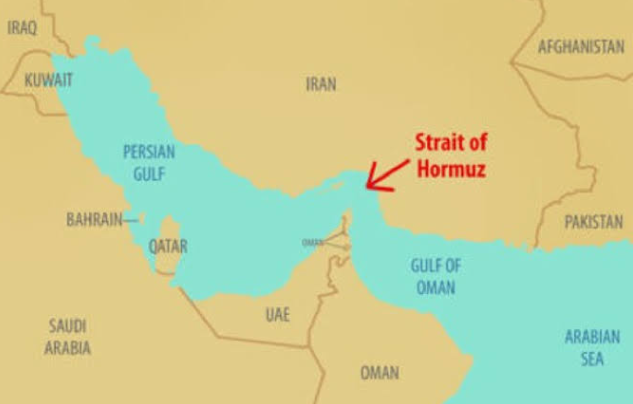
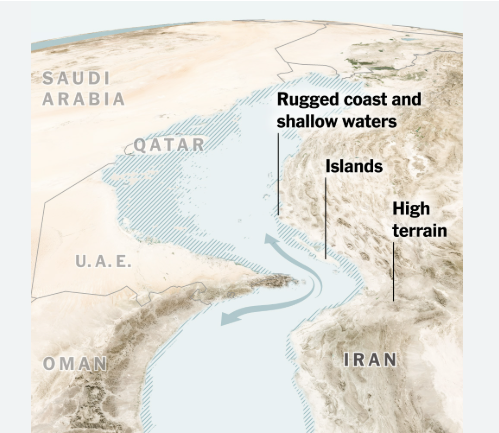
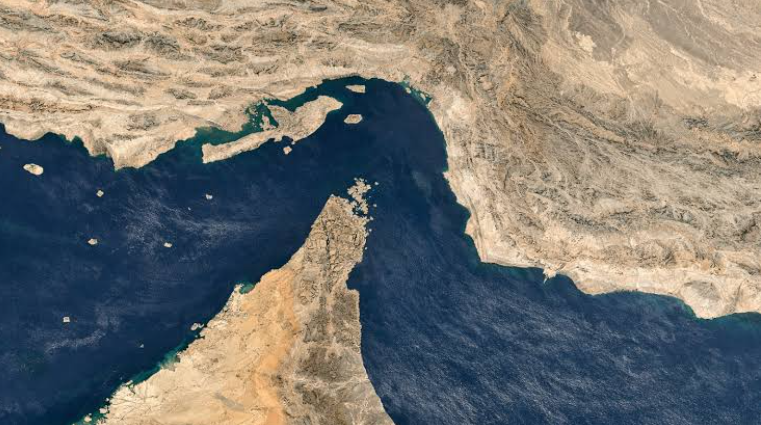
Is the strait of Hormuz open ? Iran and Oman are reportedly finalizing a deal concerning new shipping lanes in the strategically significant Strait of Hormuz, as confirmed by Iran’s Foreign Ministry spokesman Esmaeil Baqaei. This agreement comes amidst tensions with the United States, which Iran insists must fulfill certain conditions for the waterway to reopen.
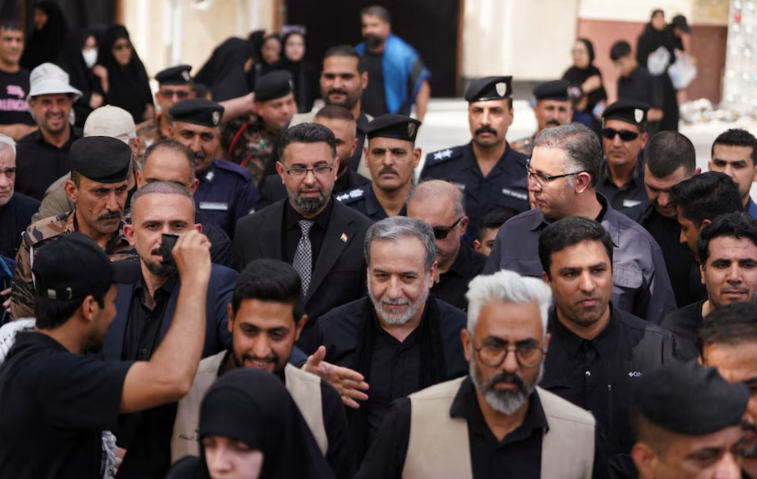
The Strait of Hormuz is a critical route, facilitating approximately 20% of global oil and liquefied natural gas shipments, and had been blocked by Iran in retaliation for reported U.S. and Israeli actions against it. A U.S. official has noted that discussions between Iran and Oman are progressing, possibly heralding a resumption of shipping operations through this vital maritime passage.
Summary
- Iran says Oman deal on strait is close but sets other conditions
- US must compensate Iran, Foreign Minister Araqchi says
- UAE said Iran struck ship in Strait of Hormuz on Saturday
Iran’s Foreign Minister Abbas Araqchi has announced that a deal with Oman regarding the Strait of Hormuz is nearing completion; however, Iran has outlined additional conditions that must be met. In a related context, Araqchi has emphasized that the United States is expected to provide compensation to Iran.
Furthermore, the United Arab Emirates has reported that Iran was responsible for a recent attack on a ship in the Strait of Hormuz, which occurred on a Saturday. These developments are indicative of ongoing tensions in the region and the complexities of international negotiations involving Iran.
The situation concerning navigation through the Strait of Hormuz remains precarious, as Baqaei has expressed skepticism about the effectiveness of a potential deal with Oman to ensure safe passage. He emphasized that security is significantly affected by the ongoing US blockade of Iranian ports.
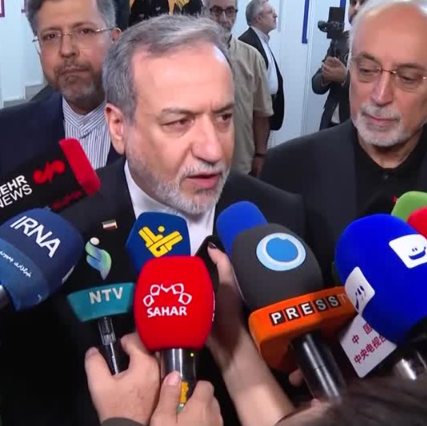
The comments come in the backdrop of heightened tensions following the US and Israel’s military actions against Iran in February, which have led to Iran imposing restrictions that effectively block the strait, a critical conduit through which approximately 20% of global oil and liquefied natural gas typically flows.
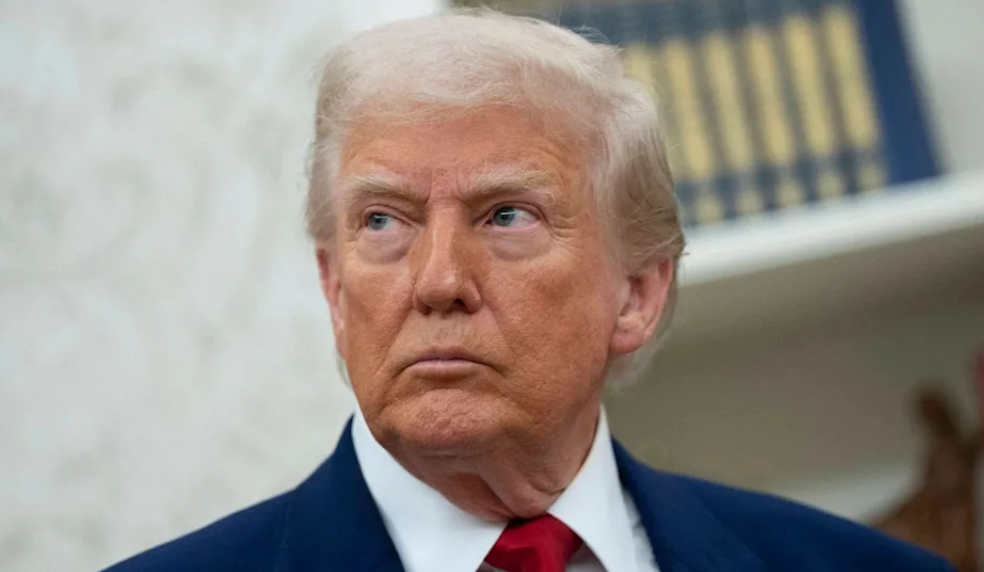
In a related development, President Donald Trump issued a stark warning that Iran would face severe repercussions if the Strait of Hormuz does not reopen “very soon.” This statement follows reports from senior US officials indicating that negotiations may have advanced toward resuming shipments in the near term. However, Iran has categorically denied any current negotiations with the US, insisting that it has no tangible plans to engage in dialogue.
Iranian Foreign Minister Abbas Araqchi recently indicated that an agreement regarding the strait was nearing completion, yet he reiterated Iran’s stance that it would not permit reopening until certain conditions are satisfied.
The preliminary agreement would outline the new shipping routes to be adopted once the US complies with these stipulations. Araqchi further clarified that while there are no direct talks occurring between Iran and the US, communications are being conducted through third parties as Tehran remains firm in its position against negotiating under the current circumstances.
IRAN SEEKS U.S. COMPENSATION AND END TO SANCTIONS (Is the strait of Hormuz open)
Iran has officially requested compensation from the United States and an end to sanctions following a series of military actions. The U.S. commenced air strikes against Iran in late February, citing the need to prevent Iran from developing nuclear weapons and its capacity to threaten regional stability through missiles and proxy groups.

A ceasefire agreement was reached in June; however, this was undermined when the U.S. reinstated a blockade on Iranian maritime activities in July. Iran contended that this action breached the ceasefire. A U.S. official indicated that the blockade on Iranian ports would be lifted once a deal was finalized to facilitate unhindered commercial shipping.
U.S. actions regarding a deal with Iran are contingent upon Iran fulfilling its commitments, according to an official. The U.S. remarks reflect a careful sequencing towards an agreement that reportedly would grant Tehran control over vessels entering the Gulf through the strait, a detail that shipping operators indicated would present significant challenges. Is the strait of Hormuz open
The current status of the agreement remains unclear, and Iran’s reaction indicates that additional factors are likely to also influence the developments in this negotiation.
CONDITIONS INCLUDING COMPENSATION
Araqchi indicated that the reopening of the Strait of Hormuz hinges on various conditions, particularly focusing on U.S. compensation for Iran’s extensive military actions. Mohammad Baqer Zolqadr, secretary of Iran’s National Security Council, enumerated additional prerequisites, which include ceasing U.S. threats and aggression against Iran, as well as its allies in Lebanon, Palestine, Yemen, and Iraq. Is the strait of Hormuz open Other considerations involve lifting the blockade and sanctions imposed on Iran and the release of Iranian assets.
The ultimate authority in Iran rests with Supreme Leader Mojtaba Khamenei, who has remained out of the public eye since an air strike resulted in the death of his father and predecessor on February 28, coinciding with the initiation of U.S.-Israeli air strikes on Iranian targets. Is the strait of Hormuz open
Reports from state media (Is the strait of Hormuz open) reveal that President Masoud Pezeshkian met Khamenei privately in late July, and a paramilitary leader has promised that footage of Khamenei, who sustained injuries during the strike on his father, will be made available to the public. Is the strait of Hormuz open
In a related incident, the United Arab Emirates reported that Iran targeted a vessel linked to its state oil company. Iran has not yet responded to this allegation, although the influential Revolutionary Guards have a history of attacking ships and have mentioned that these vessels did not coordinate their transit through the strait with Iranian authorities. Is the strait of Hormuz open
HOUTHIS ATTACK SAUDI REFINERY
The Houthis, aligned with Iran, have escalated their military actions against Saudi Arabia, targeting key maritime and oil infrastructure in the region, specifically focusing on the Strait of Hormuz and Red Sea areas. Their recent declaration of a naval blockade against Saudi Arabia is a reaction to claims of a Saudi siege on Houthi-held areas in Yemen, a charge denied by Riyadh, which supports the internationally recognized Yemeni government. Is the strait of Hormuz open
This shift in hostilities was highlighted by an attack on Saudi Aramco’s Jazan refinery, claimed by the Houthis via a drone strike. The assault occurred shortly after Saudi Arabia established a defense pact with Turkey and Pakistan, amid rising regional tensions fueled by the U.S.-Israeli conflict with Iran. Is the strait of Hormuz open
Following the attack, the Saudi energy ministry confirmed a fire at the refinery, which processes 400,000 barrels of crude oil daily, but reported no injuries, stating that the fire was extinguished.Despite the new defense alliance, uncertainty remains regarding the involvement of Turkey or Pakistan in any potential Saudi retaliatory measures. Is the strait of Hormuz open
Turkish Foreign Minister Hakan Fidan emphasized that the pact is not aimed specifically at Iran but is a broader commitment to regional security, with future support to be decided through consultations depending on the situation.
This context illustrates the geopolitical complexities of the region, with the Houthis asserting their position amidst a backdrop of shifting alliances and escalating military confrontations. Is the strait of Hormuz open
Pingback: Who Is Mohsen Rezaei? Iran’s Hardline Security Chief Takes Key Role Amid Hormuz Tensions - internationalmediawire.com