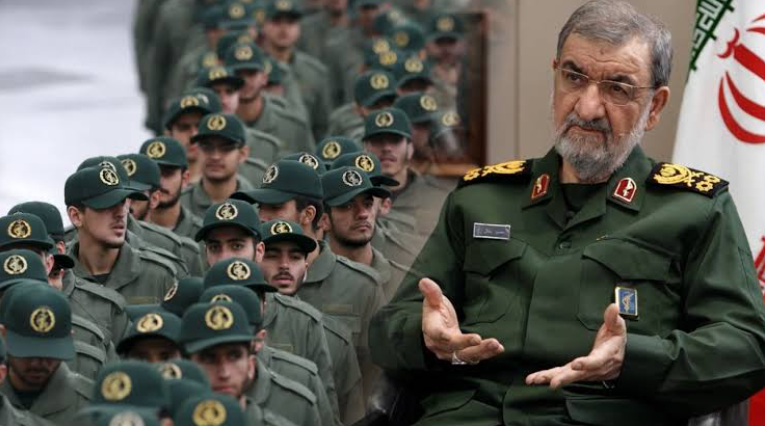
Mohsen Rezaei has been appointed as the secretary of Iran’s Supreme National Security Council, marking a significant promotion for the hardliner and close ally of Supreme Leader Ayatollah Mojtaba Khamenei. This appointment comes amid heightened tensions in the region, particularly concerning the ongoing conflict with the United States, which has persisted for more than five months.
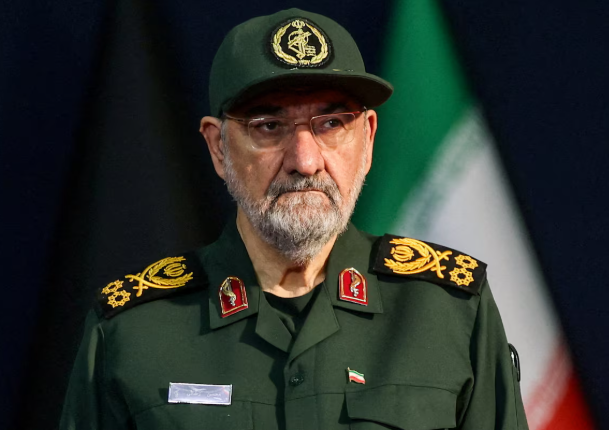
Mohsen Rezaei new role emphasizes his prominent position within Iran’s political landscape and reflects the country’s hardline stance in security matters. His influence is expected to play a critical role in shaping Iran’s strategic responses during this tumultuous period, particularly related to the strategic and geopolitically significant Strait of Hormuz. Mohsen Rezaei history and alignment with Khamenei indicate a continuation of hardline policies in Iran’s security approach.
Mohsen Rezaei has taken over the position of second-in-command from Mohammad Baqer Zolqadr in the organization responsible for coordinating Iran’s security and foreign policy. This body is under the leadership of President Masoud Pezeshkian. Following this change, Zolqadr has been appointed to serve as a political adviser to Khamenei.
COMMANDED REVOLUTIONARY GUARDS AGED 27
Mohsen Rezaei joined the Islamic Revolutionary Guard Corps (IRGC) shortly after the 1979 Islamic Revolution and rose to become its commander at the young age of 27 in 1981. He led the IRGC for 16 years, a significant duration during which he was at the forefront of the organization throughout the 1980-1988 Iran-Iraq war. His leadership was marked by the expansion of the IRGC’s ground, naval, and air capabilities, contributing to the military strength of Iran.
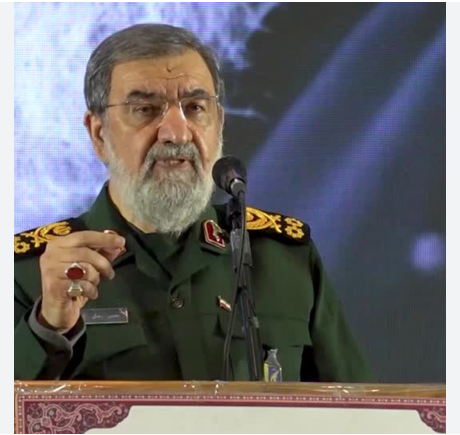
Mohsen Rezaei represents a generation of IRGC commanders who emerged from the revolutionary underground and later established themselves as senior figures within Iran’s broader security apparatus.A prominent individual in the political and security landscape of the country, he has maintained a significant presence since his tenure as the commander of the Islamic Revolutionary Guard Corps (IRGC).
Known for his consistent candidacy for the presidency of the Islamic Republic, he served as the vice president for economic affairs from 2021 to 2023, during the administration of the hardline President Ebrahim Raisi. He is academically distinguished, holding a doctorate in economics from the University of Tehran.
ADVISER TO MOJTABA
Mohsen Rezaei appointed military adviser to Khamenei in March, assumed this role following Khamenei’s ascendancy as Iran’s Supreme Leader, which occurred after the death of his predecessor, Ayatollah Ali Khamenei, at the onset of the U.S.-Israeli war against Iran. Throughout the conflict, Rezaei has been vocal in public forums, expressing significant skepticism regarding potential negotiations and has issued veiled threats against the United States.
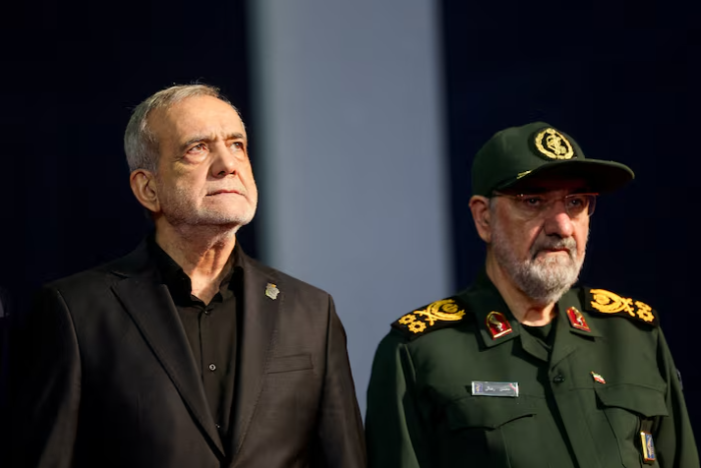
In April, Mohsen Rezaei expressed his belief that a U.S. ground invasion of Iran would be advantageous, stating that Iran could take “thousands of hostages” in exchange for a substantial sum, specifically a billion dollars for each hostage. He clarified that he personally opposed any extension of the ceasefire. Later, in June, when Iran was on the brink of signing a memorandum of understanding intended to conclude the war on June 17, Rezaei noted that the agreement contained ambiguities that required further clarification.
On June 27, he accused the U.S. of violating the terms of the deal by fostering tensions in the Strait of Hormuz.On Sunday, the Supreme Leader appointed Rezaei as his representative on the Supreme National Security Council (SNSC), reflecting Khamenei’s close ties to Mojtaba. The Supreme Leader highlighted Rezaei’s “valuable experience,” particularly noting his extensive military career as a significant factor in this decision.
OPPOSED THE SHAH
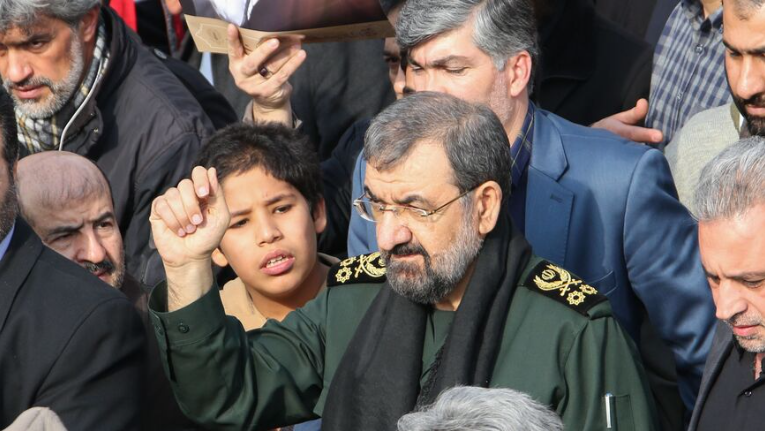
Mohsen Rezaei was involved in the opposition against the Pahlavi monarchy from a young age, notably being imprisoned by the Shah’s security service, SAVAK, in 1973. As a teenager, he played a significant role in the establishment and development of the Mansouroun militant group, which actively opposed the monarchy during the 1970s. Those members of the group who were imprisoned together including Rezaei later became part of the senior leadership of the Islamic Revolutionary Guard Corps (IRGC) following the monarchy’s overthrow in 1979.
CONTROVERSY OVER RECORD IN IRAN-IRAQ WAR
During the Iran-Iraq war, the record of Mohsen Rezaei has been a subject of significant controversy within Iran. His involvement in offensives, particularly Operation Karbala-4 in December 1986, has drawn scrutiny due to the high Iranian casualties it incurred. This operation aimed to breach Iraqi defenses toward Basra but was ultimately deemed costly.
In 2018, Rezaei reignited this controversy by tweeting that the operation was conducted to mislead the enemy in the lead-up to the subsequent Karbala-5 operation. He later provided clarification, stating that while the initial intent of Karbala-4 was a legitimate offensive, its failure was later repurposed as a tactical deception. This assertion led to a backlash from veterans, families of the fallen, and prominent political figures, highlighting the ongoing divisions and sensitivities surrounding the narrative of the war.