Kursk Nuclear Plant: The International Atomic Energy Agency (IAEA) reported that a drone struck a cooling tower at the Kursk nuclear power plant in Russia early on Thursday morning. The incident occurred while one of the reactor units was operating normally, and there was no fire or disruption to its operational status following the strike. IAEA Director General Rafael Mariano Grossi expressed concern over such attacks, emphasizing that any assault on nuclear facilities poses significant risks to nuclear safety.
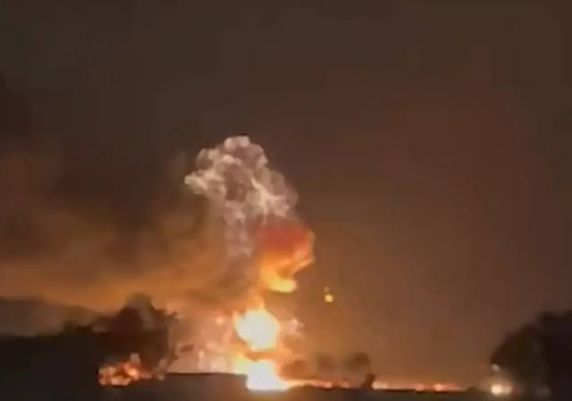
Kursk Nuclear Plant He called for both parties involved to exercise military restraint to prevent potential nuclear accidents. Although the statement from the IAEA did not specify the drone origin or directly mention Ukraine, it is noted that Kyiv has been conducting drone operations against Russian targets amidst ongoing conflicts. Russian media echoed the IAEA reporting but did not provide further details about the event. The IAEA confirmed that the reactor connected to the cooling tower remained unaffected by the incident and continued its operations as normal.
The Kursk Nuclear Plant Has Been Targeted Before
In the context of escalating tensions, the Kursk nuclear plant in Russia has been a focal point of concerns regarding threats from Ukrainian drones. Russian authorities previously reported incidents involving drone activities near the plant, particularly in October 2023, when three drones were detected, with one reportedly exploding near a nuclear waste storage facility. Additional drone debris was discovered on the plant premises during Ukraine offensive in the Kursk region in August 2024, prompting a visit from the International Atomic Energy Agency (IAEA) chief, Rafael Grossi.
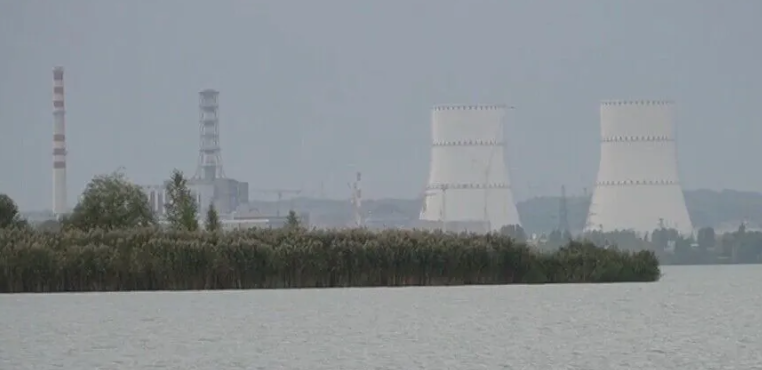
Kursk Nuclear Plant Subsequent reports from Russian officials in September 2025 and July 2026 documented two more drone strikes in proximity to the plant second reactor unit, which is currently under construction adjacent to the operational facility. These incidents highlight the ongoing vulnerability of the Kursk nuclear plant amid geopolitical tensions.
Continued operation of the reactor
Kursk Nuclear Plant The International Atomic Energy Agency (IAEA) affirmed that the operation of the Kursk nuclear power plant reactor remained uninterrupted in the aftermath of a recent drone strike.
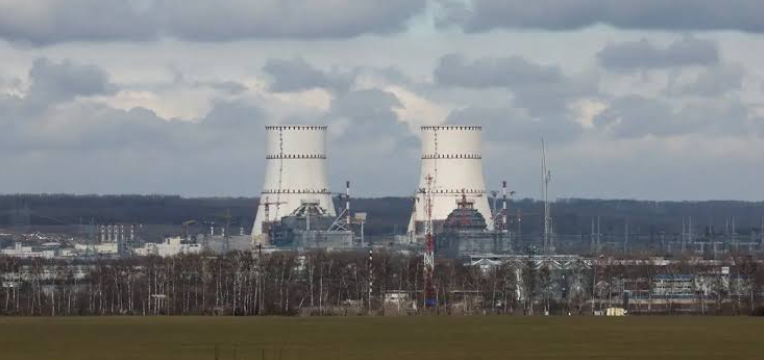
Notably, there were no indications of fire occurring within the cooling tower, suggesting a successful maintenance of safety protocols despite the incident. The entity responsible for the drone attack has yet to be identified, and no specific information concerning the extent of material damage from the strike has been disclosed. The Kursk nuclear power plant, situated in the Kursk region of southwestern Russia, is in proximity to the border with Ukraine and comprises multiple units dedicated to nuclear power generation.
Warning of the dangers of attacks
The Director General of the International Atomic Energy Agency (IAEA), Rafael Grossi, has issued a warning regarding the significant dangers posed by attacks on nuclear facilities. He emphasized that such strikes, irrespective of their location, can jeopardize nuclear safety and security. This statement comes against the backdrop of heightened military activities in proximity to Russian and Ukrainian nuclear sites, which have raised alarms about the potential for military operations to target these sensitive infrastructures.
Kursk Nuclear Plant Grossi urged all involved parties to exercise the highest level of military restraint to prevent a nuclear incident. He highlighted the necessity of avoiding any actions that could compromise the safety of these nuclear facilities. This appeal is particularly urgent in light of the ongoing military tensions between Russia and Ukraine, along with ongoing reiterations of the risks associated with possible military actions that could threaten the security and safety of nuclear establishments. The IAEA concerns reflect a broader awareness of the urgent need to safeguard nuclear sites during volatile military engagements.
Kursk Nuclear Power Plant
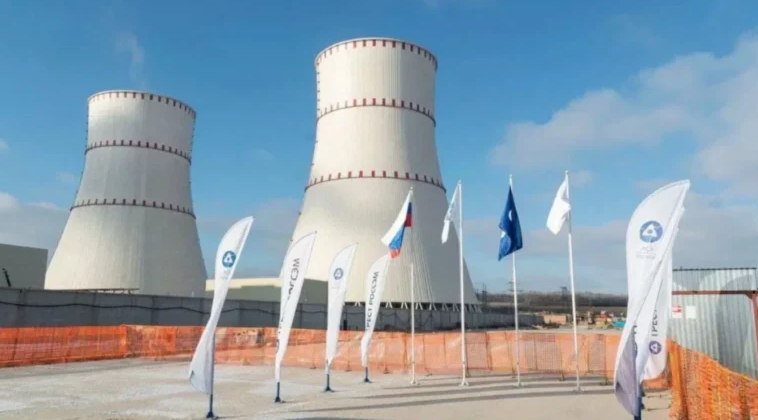
The Kursk Nuclear Power Plant (Kurskaya atomnaya electrostansaya) is one of Russia largest nuclear power facilities, located by the Seym River, approximately 40 kilometers from Kursk. It serves as a significant electricity producer for Kursk Oblast and 19 other regions. The plant currently operates two active reactors and has two decommissioned units, while construction is ongoing for newer VVER-TOI designs (Kursk II-1 and II-2).
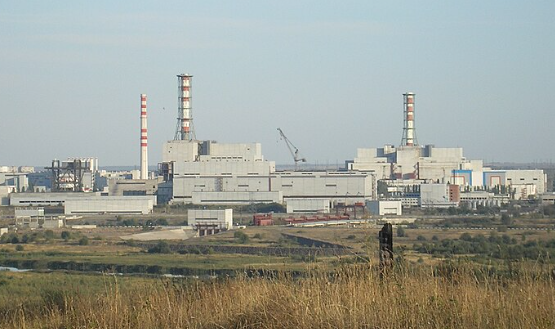
Kursk Nuclear Plant Additionally, the partially built Kursk 5 and 6 units remain unfinished. In light of military activity near the facility during the August 2024 incursion, Rafael Grossi, Director General of the International Atomic Energy Agency, called for maximum restraint to prevent potential accidents.The decision to construct Kursk NPP was made in the mid-1960s to satisfy the rising energy demands of the Kursk Magnetic Anomaly industrial sector. The plant design bears close resemblance to Chernobyl, featuring two first-generation RBMK reactors and two second-generation units, with construction beginning in 1971.
Kursk Nuclear Plant NPP operates with RBMK-type reactors and utilizes a cooling pond spreading over 21.5 sq km for steam condensation. It contains four RBMK-1000 reactors, each capable of producing 1000 MW. The plant, which has been pivotal in the development of the Central Chernozemye region, generates about 52% of the total electric output of Chernozemye, significantly contributing to industries such as iron ore mining, steel production, and agriculture. By 2006, the plant had generated 560 billion kWh, totaling 987 billion kWh over its operational lifetime, providing both electricity and district heating to nearby areas.
Despite its success, the aging reactors require increasingly costly maintenance. Rosenergoatom proposed shutting down Unit 1 in 2023 and Unit 2 in 2027, with the first unit shutting down on December 19, 2021, after 45 years of operation. Unit 2 followed in January 2024, and the subsequent units are now slated for closure in 2033 and 2035.
Pingback: Trump Administration Approves $24 Billion F-35 Sale to Saudi Arabia, Raising Regional Security Concerns - internationalmediawire.com
Pingback: Ukraine Launches 100 of Drones in Largest Ever Attack on Moscow, Mayor Says - internationalmediawire.com
Pingback: Russia Wraps Up Wartime Election as Pro Vladimir Putin Party Heads for Victory Amid Moscow Drone Strikes - internationalmediawire.com