U.S. strikes unlikely to move Iran, intelligence reports say
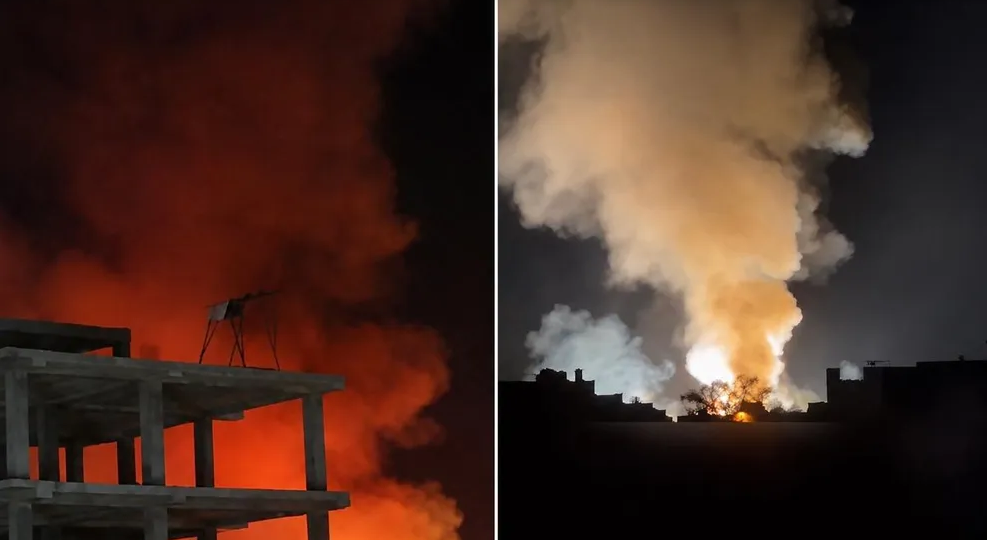
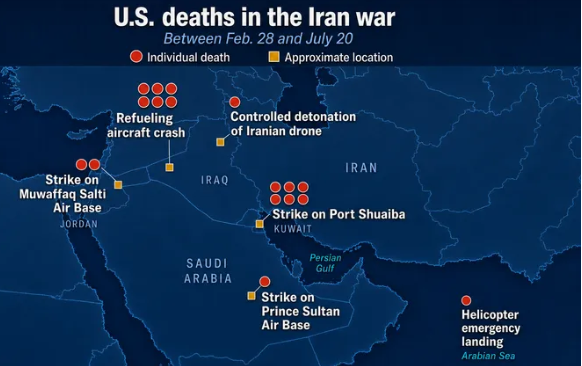
At least 18 U.S. service members have been killed in the ongoing conflict involving Iran, with three fatalities occurring in the past few days as combat operations resumed.
Report The U.S. military has continued its airstrike campaign against Iran for the tenth consecutive day, aiming to degrade the military capabilities that Iran utilizes for assaults on commercial shipping in the strategic Strait of Hormuz.
Analysts from American intelligence agencies perceive a current deadlock between Tehran and Washington, with officials describing the situation as a precarious balance between peace and war.
The airstrikes initiated at 4 p.m. EDT on Monday, emanating from directives by President Trump, have escalated, causing Iran to retaliate by launching attacks on U.S. installations in Gulf nations, resulting in the deaths of three service members, two in Jordan and one in Iraq over the latest three-day surge in violence.
Kuwaiti military forces are actively defending against incoming Iranian attacks by intercepting munitions.
Report The Pentagon has reported that nearly 100 U.S. personnel have sustained injuries since hostilities intensified on July 7, although 96% of those injured have subsequently returned to their duties.
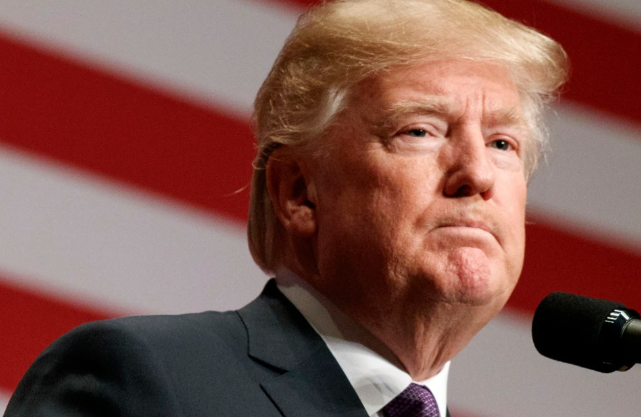
In a related development, the Houthis, an Iranian-supported group in Yemen, announced a naval blockade against Saudi Arabia, intensifying the threats posed to global oil supplies. This series of events marks a significant escalation in the ongoing conflict and reflects broader geopolitical tensions in the region.
Hegseth, Caine testify on Iran supplemental amid escalation: What to know
Report Despite ongoing military actions by the United States against Iran, indications suggest that the Islamic Revolutionary Guard Corps (IRGC) is not inclined to surrender to the demands of the White House. This assessment has been communicated to the administration.
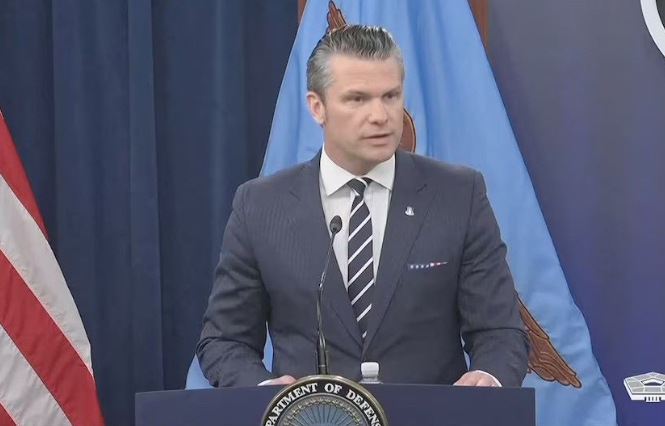
On Tuesday, Defense Secretary Pete Hegseth and Chairman of the Joint Chiefs of Staff General Dan Caine are scheduled to testify before the Senate regarding the White House’s supplemental funding request, following recent escalations in the U.S.-Iran conflict that resulted in the deaths of three service members.
They will appear alongside Agriculture Secretary Brooke Rolling at the Senate Appropriations Committee to advocate for the administration’s position. Notably, a recent intelligence report, predominantly compiled by the CIA, highlights Tehran’s resilience in the face of significant losses, including many high-ranking leaders and substantial military assets due to U.S. and Israeli strikes.
Ret. Gen. Kellogg calls for ground troops in Iran, new negotiating team
Retired Lt. Gen. Keith Kellogg has urged for the deployment of U.S. ground troops in Iran and the establishment of a new negotiating team amid the ongoing conflict.
Report Speaking on Fox News’s “America Reports,” Kellogg emphasized the necessity for a revised approach to negotiations, criticizing the current team as ill-suited for wartime discussions.
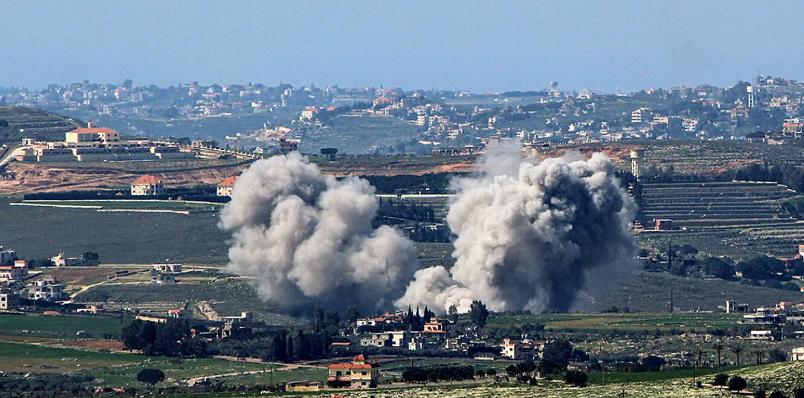
He argued that the team should consist of strong, capable negotiators instead of individuals traditionally associated with real estate negotiations.
Kellogg asserted that relying solely on airstrikes would not resolve the conflict, which has recently escalated and has been increasingly unpopular with the American populace.
He clarified that while he does not advocate for a full-scale invasion into Tehran, targeted ground operations could enhance the U.S. negotiating position and influence Iran’s economy.
The ongoing five-month conflict in Iran has strained U.S. relations with traditional allies, impacted the global economy, and driven up fuel prices.
The situation has become dire, with renewed hostilities and U.S. forces completing nine consecutive days of airstrikes against Iran.
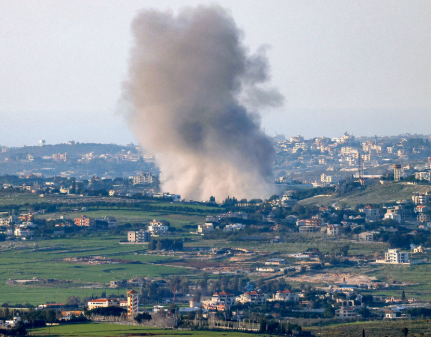
The Iranian Islamic Revolutionary Guard Corps (IRGC) reported the destruction of two oil tankers in the Strait of Hormuz, asserting they were compromised during maneuvers in unsafe routes.
Report The Pentagon recently confirmed the deaths of two U.S. soldiers, 1st Lt. Tyler Feehan and Pvt. Isabella Gonzales, due to an Iranian attack in Jordan.
In response to Kellogg’s remarks, a senior administration official suggested that his criticisms stem from his disappointment over not influencing presidential decisions, framing Kellogg’s stance as unfortunate and misguided.
Rising US death count in Iran war drives Trump toward escalation
The rising U.S. death toll in the ongoing war with Iran, now totaling 17 since March, has raised concerns that President Trump may opt for further military escalation.
Report The recent deaths of three American servicemembers within 24 hours have intensified this pressure, prompting responses such as airstrikes on various Iranian military targets. Experts have noted that such fatalities typically alter the political landscape, influencing decisions within the administration regarding military engagement.

Trump, in a recent social media post, underscored the U.S. stance, stating that any harm to American soldiers would lead to severe repercussions for Iran.
Despite the tension, both nations have maintained diplomatic channels. Secretary of State Marco Rubio affirmed the U.S. commitment to pursue negotiations, while Iranian officials indicated ongoing communications through third-party mediators. Concurrently, the U.S. military has stepped up its offensive operations against Iran, marking over ten consecutive days of strikes targeting critical military infrastructure.
Iran has retaliated by launching attacks on U.S. positions in allied countries within the region, although assessments have shown a decline in Iran’s missile capabilities since the war’s onset. Analysts suggest that while the U.S. may be prepared for an extended conflict, economic pressures could force a reevaluation of strategies on both sides.
The conflict has not only affected military dynamics but also domestic issues, as rising gas prices have resulted from the war, influencing public sentiment and political perspectives regarding Trump’s handling of relations with Iran.
Recent polls indicate a significant portion of Americans remain skeptical about the effectiveness of Trump’s negotiations in these matters, especially in comparison to prior agreements.
Report Amidst the turmoil, positive engagement with other nations in the region could offer Trump some reprieve, particularly highlighted by an upcoming meeting with the Lebanese President, focused on countering the Iranian influence through the Hezbollah group.
The meeting represents a strategic move within a broader context of U.S.-Middle East relations during this heightened period of conflict.
After President Trump’s recent meeting with Iraqi news figure Ali al-Zaidi, his supporters assert that such visits signify a transformative shift in the Middle East, notably placing Iran in a less dominant position.
Coates emphasized this change, stating, “That’s a totally new Middle East,” suggesting optimism regarding potential advancements in Lebanon—an unexpected sentiment given the region’s complexities. This perspective reflects a broader evolution in diplomatic relations and geopolitical dynamics within the area.
Pentagon confirms nearly 100 service members injured since Iran strikes resumed in July
Pentagon officials confirmed on Monday that nearly 100 U.S. service members have sustained injuries since the resumption of U.S. military operations against Iran in July.

Of these injured personnel, 96 percent have returned to duty. Pentagon chief spokesperson Sean Parnell remarked, “They are determined to get back in the fight,” noting that most injuries were minor concussions. The Defense Casualty Analysis System will provide further updates.
Report The current military operations have led to an increase in casualties, with the total death toll rising to 17. Recent Iranian attacks resulted in two service member fatalities: 1st Lt.
Tyler Feehan and Pvt. Isabella Gonzales, who were killed in action at Muwaffaq Salti Air Base in Jordan. Additional losses occurred in Iraq when another service member died during a controlled detonation involving unexploded ordnance from an Iranian drone.
The U.S. has sustained its offensive on Iran, conducting another round of airstrikes on Monday, marking the tenth consecutive day of such military actions under Operation Epic Fury, which commenced on February 28.
President Trump recently emphasized in an interview the importance of the military’s goal to prevent Iran from acquiring nuclear weapons, stating the troops died “in service of our country.” According to the Pentagon’s updated records, a total of 427 service members have been injured since the operation began.
Pingback: Report: Saudi Crude Tankers Turn Back as Houthis Open New Front in US-Iran Conflict 21 July - internationalmediawire.com
Pingback: Breaking: Has the $37.5 Billion Iran War Cost Pushed the U.S. Toward a Financial Crisis? Here What It Means for the Global Economy - internationalmediawire.com