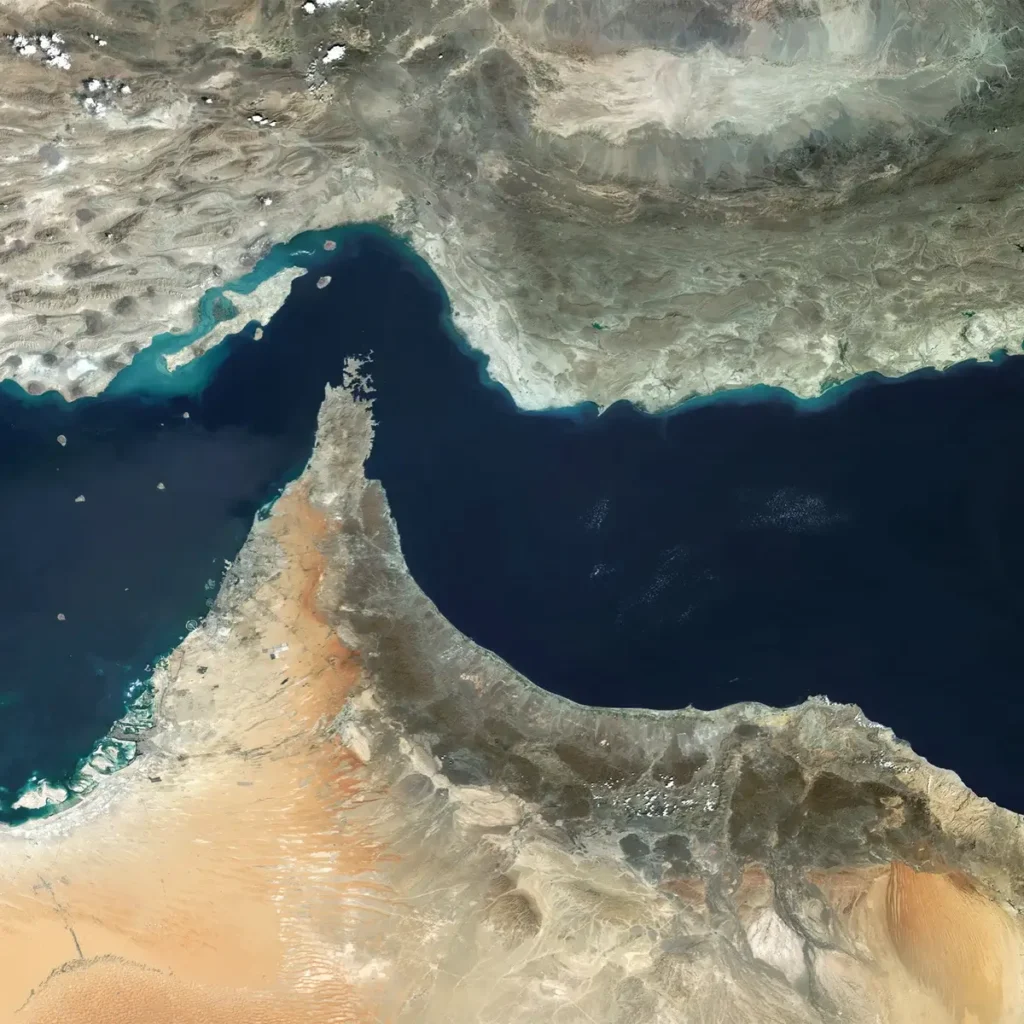
Iran parliament speaker, Mohammad Baqer Qalibaf, stated that the Strait of Hormuz will remain closed until the United States meets seven specific conditions outlined in a June interim agreement. This announcement was made through state media, emphasizing Iran firm stance. Furthermore, during the recent UN General Assembly, Iran proposed a plan to reopen the crucial maritime route and restore normal navigation within seven days, contingent upon the fulfillment of these conditions. The US has since responded to this proposal via intermediaries from Qatar, but details of the response have not been disclosed.

The Islamic Republic of Iran, represented by chief negotiator Qalibaf, has reiterated its strong stance regarding the Strait of Hormuz, stating that it will remain closed until seven specific conditions, outlined in the Islamabad Memorandum of Understanding, are fulfilled. Qalibaf emphasized that the United States must recognize that the time for prolonging diplomatic discussions and imposing unilateral demands has concluded. This declaration underscores Iran commitment to its conditions in negotiations, signaling a rigid approach in dealing with international diplomatic pressures.
Iran Says no Nuclear Discussions
Strait of Hormuz Iran Foreign Ministry spokesperson stated on Sunday that Tehran has conveyed its overarching positions through mediators regarding the US response on nuclear discussions. However, the spokesperson indicated that there are still further points that need to be communicated to Washington. This statement underscores Iran stance on the ongoing negotiations and its desire to continue dialogue on unresolved issues. The recent discussions regarding U.S.-Iran relations have revealed that American proposals largely align with their prior positions, particularly concerning nuclear issues.

Esmaeil Baghaei, a spokesperson for Iran, emphasized that Iran current priorities focus on the security of the Strait of Hormuz. Baghaei indicated that the U.S. must take clear actions to ensure security in this vital waterway. Furthermore, Baghaei clarified that Iran has not offered to allow UN inspections of its nuclear sites in exchange for relief from U.S. sanctions, asserting that there have been no nuclear discussions with Washington at this time.
Strait of Hormuz A circulated document discussed a seven-day trust-building initiative aimed at fostering dialogue and returning to an enhanced version of the memorandum of understanding that was established in June. This initiative includes specific measures related to Iran nuclear program. According to an official briefed on the negotiations, the primary contention between the two sides lies in the sequencing of these proposed steps, rather than any differences concerning the plan components.
Warning From Abbas Araqchi
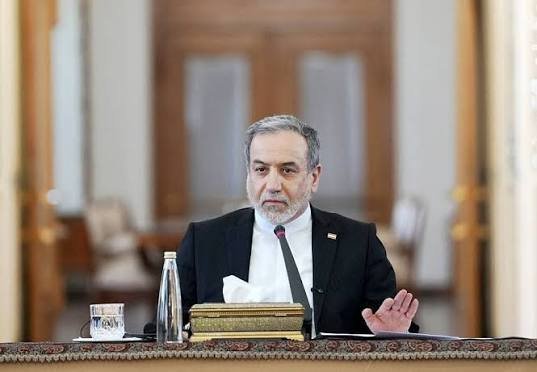
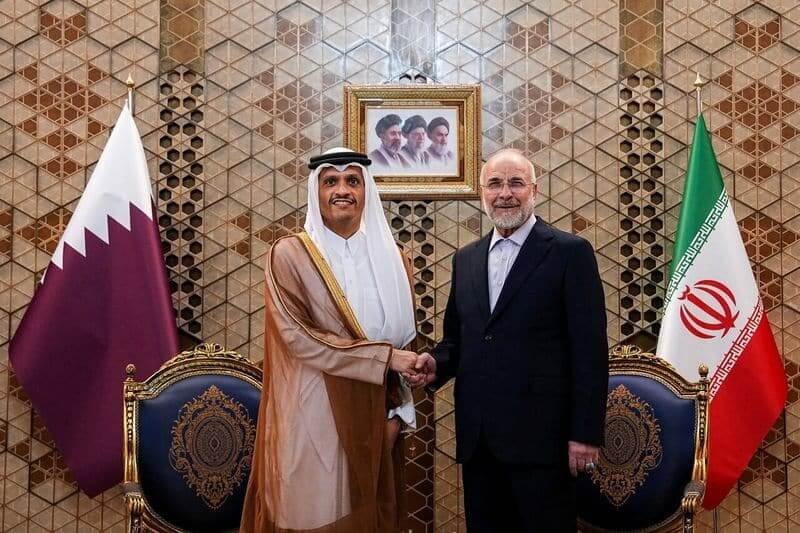
Qatar has been actively mediating communication between Washington and Tehran to mitigate conflicts and facilitate the reopening of the Strait of Hormuz, a crucial passageway for global oil and liquefied natural gas supplies, especially since the escalation of hostilities initiated by US and Israeli strikes against Iran in late February. A memorandum of understanding established in June resulted in a temporary ceasefire and addressed key topics, including the status of the strait and Iran nuclear program.
In a recent address to foreign ambassadors in Tehran, Foreign Minister Abbas Araqchi expressed hope for a diplomatic resolution from Washington, while simultaneously issuing a warning that Iran is prepared for retaliatory measures should the US opt for military intervention again. Furthermore, reports indicate that Iran is gearing up for a potentially stronger response if the US were to resume extensive military operations against them.
Strait of Hormuz On Sunday, Iranian official Araqchi emphasized the country readiness to defend itself, stating that if military solutions are pursued against them again, they are more prepared than ever and will take necessary actions. Additionally, Army spokesperson Mohammad Akraminia announced that Iran plans to enhance the range of its missiles, indicating a commitment to bolster its military capabilities in response to perceived threats.
Summary
- Tehran says it has clarified broad positions on US response via mediators
- Denies it has offered nuclear inspections in return for sanctions relief
- Proposal presented during UN General Assembly
Pingback: Saudi Arabia Riyadh Airport Hit by Houthi Strike in 2 Days as New Attack Sparks Fire - internationalmediawire.com