Iran says deal on Strait of Hormuz is close but is not enough to open the waterway
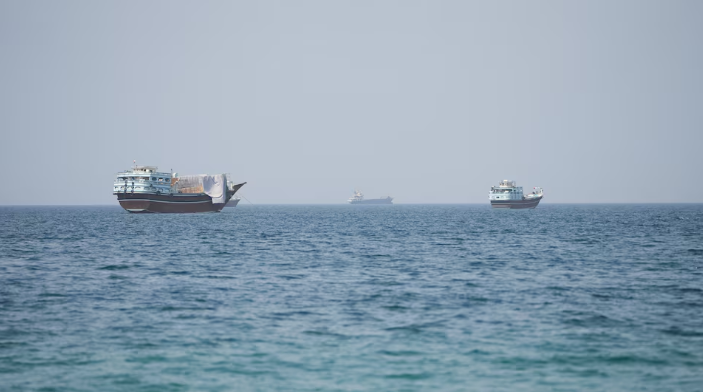
Iran has announced that it is nearing an agreement with Oman concerning the control of the Strait of Hormuz; however, officials indicated that this deal alone would not suffice to reopen the strategically important waterway.
Reports also confirm that Iran has targeted another vessel in the region. The agreement is considered crucial for broader negotiations aiming to resolve the conflict that erupted following U.S. and Israeli military actions against Iran on February 28, which resulted in Tehran exerting significant control over this key energy export route.
- Iran and Oman both say deal on Hormuz is close
- Iranian minister says US must also compensate Iran
- UAE says Iran struck a ship in strait with a missile
- US official had said deal would reopen strait
Iran and Oman have indicated that an agreement concerning the strategic Strait of Hormuz is nearing completion. An Iranian minister stated that, in order for the deal to progress, the United States must also offer compensation to Iran.
Additionally, the United Arab Emirates (UAE) reported that Iran had targeted a ship in the strait with a missile. A US official had previously suggested that the potential agreement would result in the reopening of the strait.
A U.S. official indicated that Washington expects a forthcoming agreement between Iran and Oman to facilitate the resumption of normal oil traffic through the strategic Strait of Hormuz. Iranian Foreign Minister Abbas Araqchi emphasized that an agreement on a new shipping route is near completion; however, the reopening hinges on several conditions, notably including U.S. compensation to Iran.
Furthermore, Mohammad Baqer Zolqadr, secretary of Iran’s top national security body, articulated additional demands from Iran: these include the cessation of U.S. threats and aggression toward Iran, its allies in Lebanon, Palestine, Yemen, and Iraq, as well as the lifting of sanctions and blockade against Iran and the release of Iranian assets.
Thus, while diplomatic progress appears imminent, significant hurdles remain to achieving full normalization of oil transport through this critical maritime passage.
Oman reports positive talks, condemns attacks on ship
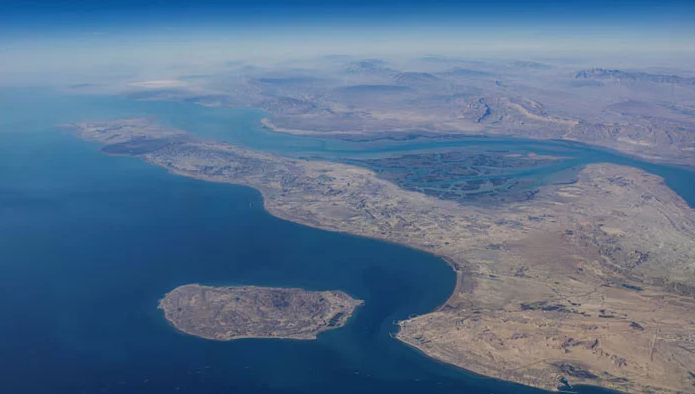
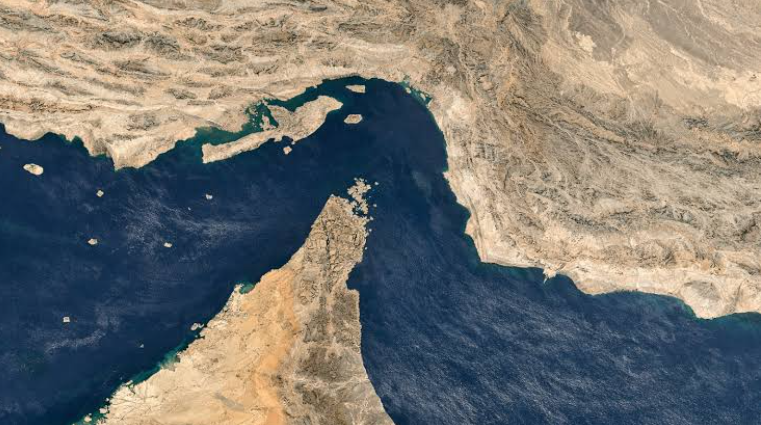
Oman has reported positive developments in its negotiations with Iran regarding shipping arrangements through the Strait of Hormuz, despite the ongoing issue of repeated attacks on vessels in the region. Strait of Hormuz
While Oman condemned these attacks, it refrained from directly assigning blame. The Omani foreign ministry emphasized the necessity of maintaining careful actions that would not jeopardize the current negotiations or the progress made, aiming for a mutually beneficial outcome for all involved parties.
Iran’s Deputy Foreign Minister, Abbas Araqchi, noted that the previous shipping traffic separation scheme was no longer considered acceptable by Tehran, prompting discussions with Oman about establishing a temporary route while broader technical and legal aspects of a permanent solution are addressed.
Supporting this sentiment, Iran’s President Masoud Pezeshkian, who is viewed as a relative moderate, expressed optimism that this is an opportune moment to reach an agreement on the maritime transit issues affecting the strategic strait.
Iranian news agencies reported statements indicating a sense of cohesion, strength, and victory for Iran amid ongoing conflicts, particularly in response to U.S. attacks.
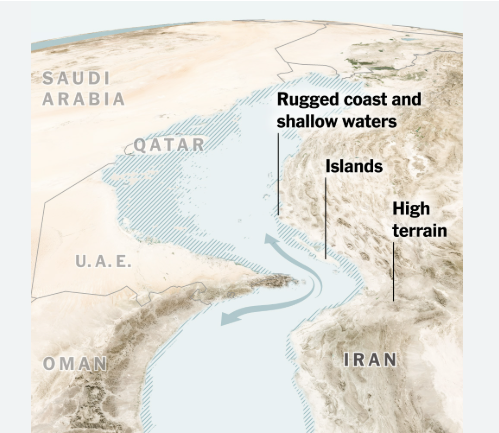
Iran has retaliated by targeting U.S. military bases located in Gulf states and Jordan, and has also disrupted shipping activities in the Strait of Hormuz, a critical passage that historically accommodates about a fifth of global oil and gas shipments.
Recently, the United Arab Emirates (UAE) disclosed that Iran launched a missile attack on a carrier linked to its state oil company while it was navigating through the Strait of Hormuz; fortunately, there were no injuries reported from this incident.
Additionally, the UK maritime trade monitor UKMTO indicated that a separate vessel experienced a fire after being struck by an unidentified projectile, although the fire was quickly extinguished and was confirmed to have no environmental repercussions. This series of events marks an escalation in maritime violence in the region.
In the context of ongoing geopolitical negotiations, Iranian authorities have not responded to recent developments concerning the Strait of Hormuz. The Trump administration has indicated that an agreement to facilitate the reopening of the strait may be imminent, although Iran has refuted claims that discussions are ongoing. Strait of Hormuz
The prospects for a durable arrangement remain uncertain. A U.S. official stated that upon the announcement of a deal to restore commercial shipping without obstacles, the U.S. would lift its blockade of Iranian ports, contingent on Iran fulfilling its obligations.
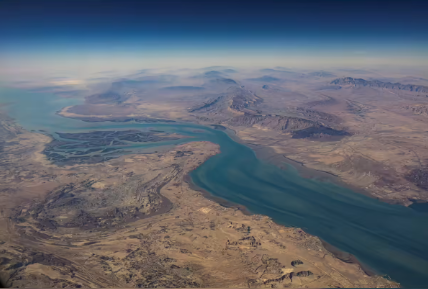
In conjunction, Iran’s Revolutionary Guards have asserted that the reopening of the Strait of Hormuz is contingent upon the acceptance of Iran’s demands by Washington, and not linked to negotiations with Oman.
Hossein Mohebbi, a spokesperson for the Guards, emphasized that the strait will open once the U.S. accedes to Iran’s conditions, as reported by Tasnim news agency.
Sources said a deal this week would give Iran some control
A proposed deal between Iran and Oman aims to address the ongoing conflict between Iran and the U.S., potentially granting Tehran control over maritime access through the Strait of Hormuz, a vital route for global energy shipments.
This arrangement, as reported by a senior Iranian source and regional officials, represents a significant concession to Iran during the five months of hostilities. U.S. officials have expressed strong opposition to any agreement that would allow Iran to exert control over such a crucial trade passage.
The dynamics around the deal remain unclear, particularly regarding whether the U.S. is attempting to alter its terms. Furthermore, Iran has leveraged the conflict to impose tolls on oil tankers and engage in aggressive actions against vessels that cross the strait without permission. These aggressive stances have resulted in severe disruptions to global oil shipments, contributing to rising energy prices and increasing inflation worldwide.
Iran says strait won’t open until the US ‘corrects’ behavior
Iran’s Supreme National Security Council announced that the Strait of Hormuz will not reopen until the United States “corrects its behavior,” setting forth a series of demands that may disrupt ongoing negotiations about managing the critical waterway.
Mohammad Bagher Zolghadr, the council’s secretary and a Revolutionary Guard commander, emphasized that the U.S. must cease all threats against Iran, end its military presence in the region, lift the naval blockade of Iranian ports, and compensate Iran for damages incurred during conflicts.
Additionally, Iran demands the unconditional release of frozen assets and the termination of sanctions.The U.S. has not yet commented on these demands, but it seeks an acceptable framework for a deal concerning the strait before lifting the blockade.
Following an interim agreement signed in June, negotiations regarding sanctions relief and compensation are part of the discussions aimed at reaching a final deal. As this 60-day negotiation period nears its conclusion, there is an opportunity for an extension.
Iran has indicated progress toward a separate agreement with Oman for managing the strait, with Iranian Foreign Minister Abbas Araghchi stating that they are close to determining a specific transit route. Strait of Hormuz
However, reopening the strait is contingent upon fulfilling the aforementioned conditions, which Iran blames on U.S. violations of the interim deal. Oman, acting as a mediator, has reported a positive atmosphere in discussions while condemning attacks on vessels in the strait. The waterway, vital for global oil and natural gas supplies, has seen diminished shipping activity since the onset of conflict.
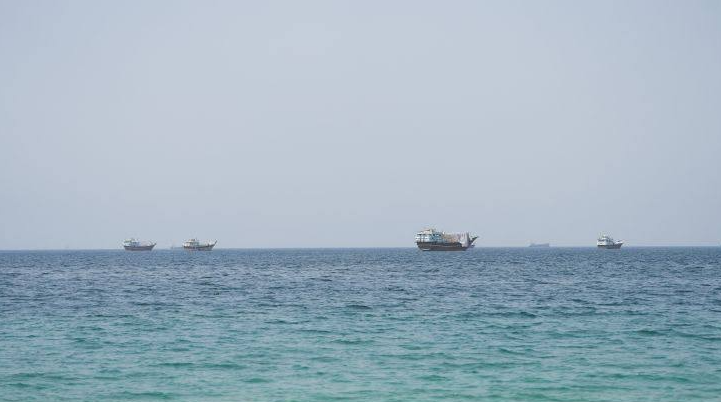
Iran attacks a vessel in the Strait of Hormuz, UAE says
Iran has reportedly attacked a vessel owned by Abu Dhabi’s state-owned ADNOC oil and gas company while it was transiting the strategically important Strait of Hormuz, according to Emirati authorities.
The attack, which occurred early on a Saturday, involved the firing of a missile by Iranian forces as part of a broader pattern of assaults on commercial shipping in the region. Strait of Hormuz
ADNOC confirmed that there were no casualties resulting from this attack. However, the company noted that it has faced numerous missile and drone attacks on its vessels over a dozen incidents since February, coinciding with the onset of hostilities initiated by the U.S. and Israel against Iran. These previous confrontations have resulted in one crew member’s death and 20 others sustaining injuries.
Additionally, the United Kingdom Maritime Trade Operations Center reported that a separate vessel located east of Khasab, Oman, had been hit by a projectile that caused a fire, though this was extinguished, and both the vessel and crew were reported safe. It remains unclear if this incident relates directly to the attack on the ADNOC vessel.
Yemen’s military attacks Iran-backed Houthis
Yemen’s military has launched attacks against the Iran-backed Houthis in retribution for recent strikes conducted by the group in central and eastern Yemen. Col. Majed al-Nazili, a spokesperson for Yemen’s military, indicated that these operations were aimed at the rebels’ “sites and capabilities” across various front lines, although specific details were not provided.
This escalation in hostilities is a significant development as it raises concerns about the potential renewal of Yemen’s civil war, which had seen a truce established in 2022. The ongoing conflict poses a challenge not only to Yemen’s stability but also to regional peace, particularly given the involvement of a Saudi-supported coalition backing Yemen’s internationally recognized government.
Turkey’s Kurdish peace bill wins approval in parliament
Turkey’s Kurdish peace bill has successfully passed a crucial committee stage in parliament, with expectations for general assembly approval next week.
This legislation is part of a broader peace initiative aimed at resolving decades of conflict with Kurdish insurgents, notably the Kurdistan Workers’ Party (PKK), which last year announced its intent to disarm and disband.
The draft outlines procedures for the disarmament and rehabilitation of certain PKK members, conditional on the confirmation from Turkey’s National Security Council that the organization has fully disbanded and surrendered its weapons.
The ongoing conflict, which began in the 1980s, has resulted in tens of thousands of fatalities and is classified as terrorism by Turkey and its Western allies.
Pingback: Iran Defiant Over Strait of Hormuz as Trump Tells Americans to Accept Higher Gas Prices. Is the Strait of Hormuz Open? - internationalmediawire.com