The article discusses new revelations regarding the 9/11 hijackers, focusing on the personal account of Holly Ratchford, a former landlady of the Parkwood Apartments complex in San Diego. Ratchford expresses her disbelief upon learning about the true identity of her former tenant, Omar al-Bayoumi, a Saudi national accused of links to the Saudi intelligence. Al-Bayoumi moved into the complex in September 1999 and was described by Ratchford as friendly and sociable, often attending her pool parties.
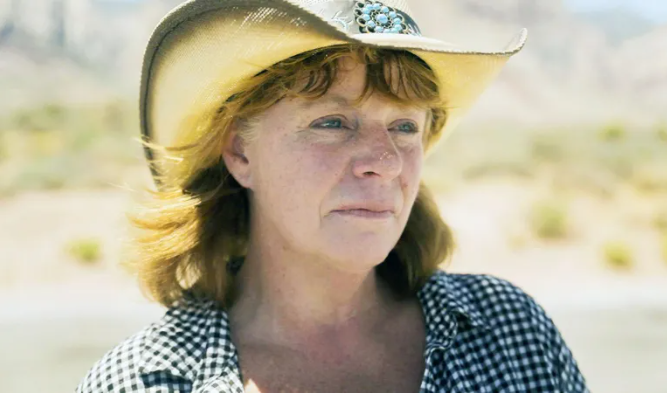
She recalls his warm demeanor and how he later introduced her to two other men who would also become her neighbors, later identified as the hijackers. Ratchford emotional struggle with reconciling the initial impression of al-Bayoumi with the gravity of the accusations surrounding the 9/11 attacks highlights the unsettling nature of personal connections intertwined with significant historical events. This unfolding narrative raises further questions about potential ties and complicity, particularly the alleged links to an individual implicated in espionage activities.
New Details About Their Alleged Links to Saudi Spy
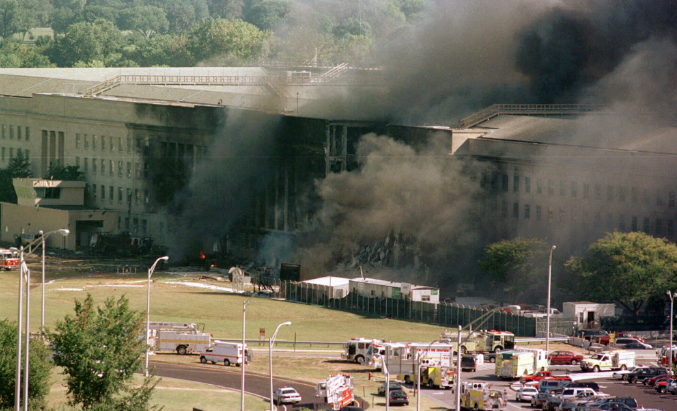
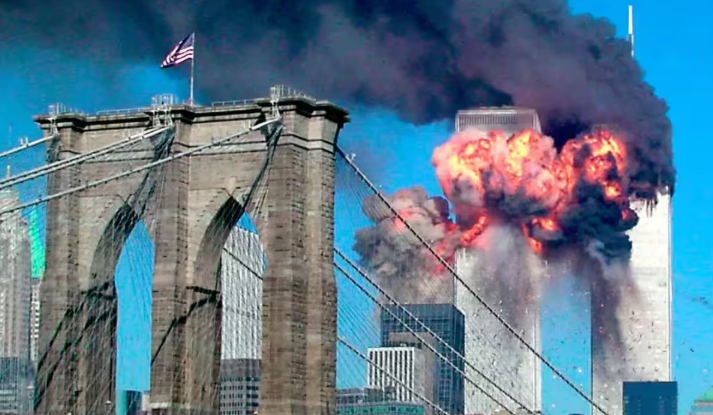
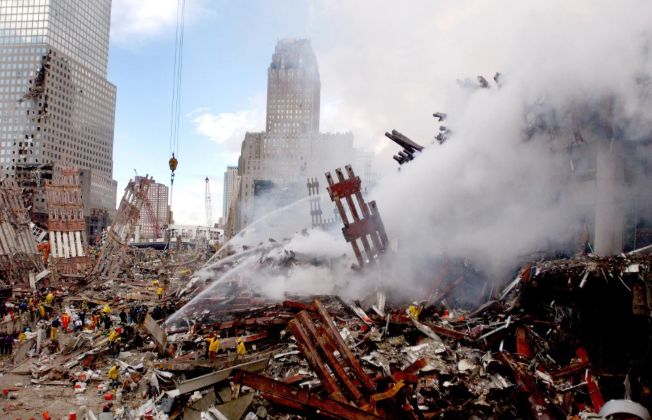
9/11 On September 11, 2001, a coordinated attack by 19 members of the Islamist extremist group al-Qaeda resulted in the hijacking of four passenger planes, leading to nearly 3,000 fatalities, including around 300 emergency responders. Among these attacks, American Airlines Flight 77 was crashed into the Pentagon, the nerve center of the U.S. military. A significant figure in this context is Bayoumi, who is now implicated as a key individual in a lawsuit against the Kingdom of Saudi Arabia, initiated by families and survivors of 9/11 victims.
Ratchford, who had a personal connection to Bayoumi, reflects on her past relationship with him, recalling how he would socialize at her gatherings and his family hospitality towards her. This personal connection adds a layer of complexity to her feelings regarding the attacks and Bayoumi involvement, which has haunted her for 25 years. The broader ramifications of these events continue to resonate, underlined by the ongoing legal actions tied to the heinous acts of that fateful day.
Bayoumi is accused of aiding the 9/11 hijackers, specifically Nawaf al-Hazmi and Khalid al-Mihdhar, by providing crucial support that enabled their arrival in the United States. The pair resided in Parkwood for several months prior to the attacks.
A federal judge, in a lawsuit brought forth by the families of 9/11 victims in New York, concluded that there was sufficient evidence to suggest a “reasonable inference” that Bayoumi, alongside a Saudi diplomat based in the U.S., was coordinating with the Saudi government to assist the hijackers. This ruling has permitted the families’ case to advance, while Saudi Arabia, together with Bayoumi, has consistently denied the allegations and is in the process of appealing the judge decision.
Ever since the 9/11 attacks, Bayoumi has been under scrutiny and speculation. Ratchford, who observed him interacting with the hijackers and providing them with significant support, has submitted a sealed declaration to the New York court, yet she has refrained from public commentary on her observations. Locating Holly Ratchford proved challenging as she distanced herself from society after unintentionally becoming involved in the investigation characterized by the US government as “the most egregious criminal act on American soil in modern history.”
Ultimately, she was found in the desolate high desert of the western United States, where she expressed a desire to avoid news coverage and discussions with journalists. Unexpectedly, she agreed to an interview, which raised doubts about the narrative Bayoumi presented to law enforcement agencies, including the police, FBI, and the New York court. Her account is included in the BBC Radio 4 podcast, Intrigue: A 9/11 Story, and will also feature in the upcoming BBC Panorama, 9/11: The Saudi Connection.
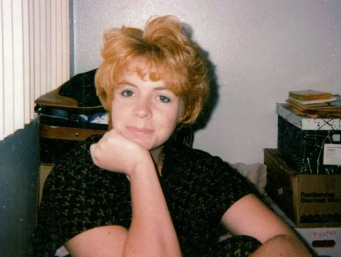
9/11 In early 1999, Ratchford transitioned into a stable and fulfilling phase of her life after a tumultuous youth marked by relocations, marriage, pregnancy, and divorce before the age of 21. Now 27, she embraced her role as the property manager of Parkwood Apartments, a low-rise complex with 175 units in the San Diego suburbs. Ratchford thrived in her position, ensuring that apartments remained occupied, but it was the interpersonal relationships both with her clients and her neighbors that brought her true joy.
Living on-site, she built a community where many residents became friends, adhering to her philosophy of making them feel at home to foster long-term tenancies. However, Ratchford seemingly perfect life soon unraveled in an unforeseen manner, signaling the start of a dramatic shift in her circumstances.
Omar al-Bayoumi settled in Parkwood under the pretense of being a mature student, as noted by local resident Ratchford, who had limited knowledge of his background beyond this. However, revelations from declassified FBI documents and court proceedings indicate that Bayoumi academic pursuits effectively ceased in 1998; instead, he devoted considerable time to organizing religious activities within the Muslim community, often documenting these through video recordings.
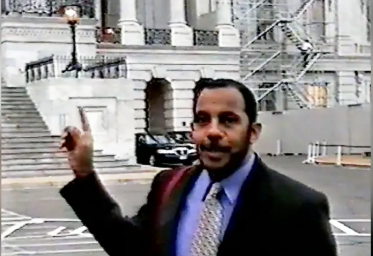
His persistent filming and probing inquiries raised suspicions among peers, leading to a prevalent belief within the San Diego Muslim community that he was an agent for the Saudi intelligence service. Richard Lambert, who oversaw the FBI investigation in San Diego post-9/11, corroborates this sentiment. Nevertheless, Ratchford remained primarily concerned with his ability to pay rent, which he reliably did, earning approximately $90,000 annually at the time.
Bayoumi is portrayed as an ordinary family man in personal home videos, showing him engaged in family activities, such as playing with his children by a pool and on a trip to Las Vegas, where he excitedly points out attractions. Ratchford, who views these films, expresses a belief in this version of Bayoumi character. However, contrasting footage reveals a different side of him.
In summer 1999, Bayoumi recorded various angles of the U.S. Capitol while providing a commentary that suggests he was surveying the site, leading to allegations from the 9/11 families’ lawyers that he may have been considering it as a potential target for the attacks. In response, the Kingdom of Saudi Arabia insists the videos were merely for tourism. A New York judge, in a ruling dated August 2025, concluded that the videos indicate Bayoumi visited Washington DC and filmed the city but did not decisively support either the surveillance claim or the tourism narrative.
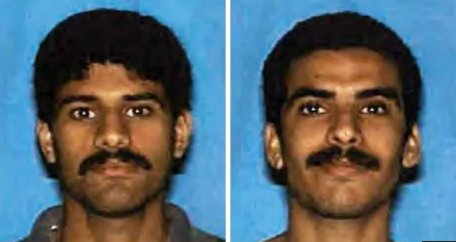
On February 3, 2000, Bayoumi brought two young non-English-speaking men to Ratchford rental office in San Diego, emphasizing their connection to his mosque. Ratchford noted that there was nothing unusual about them; they were polite and appeared harmless. However, they did not meet the rental income criteria or bank account requirements.
Consequently, Ratchford was unable to approve their application. Despite this, the men possessed several thousand dollars in cash, prompting Bayoumi to assist them in opening a bank account the next day. On the third day, Bayoumi found a workaround for the income issue by offering to co-sign the lease, thus agreeing to be the legal guarantor for their rental agreement.
The rental agreement indicates that Omar al-Bayoumi had multiple roles in relation to Nawaf al-Hazmi and Khalid al-Mihdhar, the future 9/11 hijackers. He was not only their guarantor and friend but also their emergency contact, with his Parkwood home listed as their current address. Following this arrangement, Hazmi and Mihdhar moved into a one-bedroom apartment near Bayoumi own residence. Over the following months, the pair became familiar figures to Holly Ratchford, the property manager, who recalls having regular interactions with them.
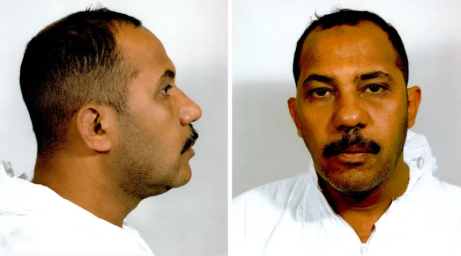
In May, Hazmi and Mihdhar vacated the apartment, and Ratchford thought little of their departure until a call came sixteen months later in the wake of the 9/11 attacks. A woman, who turned out to be a reporter, requested a rental reference for the former tenants. This prompted Ratchford to recount their details without realizing their significance until she was informed of their involvement in the terrorist attacks. Subsequently, the FBI interviewed her on September 14, 2001, where she provided them with Bayoumi guarantor form, igniting an investigation into his connections to the hijackers.
Richard Lambert, a retired FBI agent, elaborates that as investigators started tracing the hijackers’ associates, it became evident that a network led by al-Bayoumi was instrumental in facilitating Hazmi and Mihdhar lives in San Diego. This discovery underscored Bayoumi pivotal role in the events leading up to the attacks, revealing a deeper nexus that linked him to the wider conspiracy.
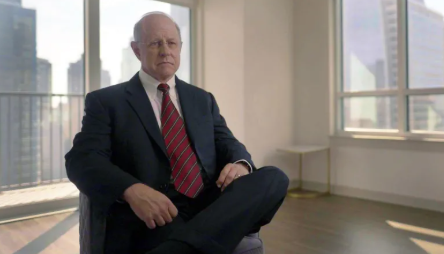
The FBI investigation revealed that Omar Bayoumi played a crucial role in assisting hijackers Khalid al-Mihdhar and Nawaf al-Hazmi prior to the 9/11 attacks. Bayoumi facilitated their obtaining of California driver licenses, applying to flight schools, and receiving financial support via Middle Eastern wire transfers, as well as arranging dental treatment for them. Following these findings, the FBI tracked Bayoumi to Birmingham, UK, more than 5,000 miles away, where he had relocated shortly before the attacks.
On September 21, 2001, Bayoumi was arrested by the Metropolitan Police anti-terror branch for questioning. During initial interrogations, he appeared unfazed and denied knowing the hijackers. However, under pressure, he admitted to assisting two individuals named “Nawaf” and “Khalid,” who he later confirmed were Hazmi and Mihdhar. Bayoumi claimed to have met them in a Los Angeles restaurant after overhearing them speak Arabic and offered help if they ever visited San Diego.
The following day, Hazmi and Mihdhar reportedly visited Bayoumi local mosque in San Diego, seeking housing. Bayoumi then accompanied them to an acquaintance named Ratchford to help find an apartment. Despite initially providing significant support, Bayoumi later claimed to have distanced himself from them after their move-in, stating he left San Diego only to find they had departed by his return. His brief association with the hijackers stands in contrast to Ratchford recollections, suggesting a more complex interaction than Bayoumi portrays.
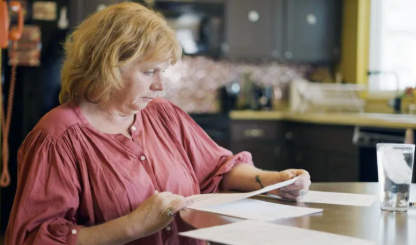
Ratchford recounts her experience with Omar al-Bayoumi, who had approached her regarding apartments for two hijackers, contradicting his claims of minimal contact. She asserts that Bayoumi not only assisted the hijackers in securing an apartment but also maintained a friendly relationship with them, evidenced by their visits for tea and cookies. Additionally, she reveals that Bayoumi paid their overdue rent, challenging his narrative of limited involvement. Following the 9/11 attacks, Bayoumi was detained by the Metropolitan Police for seven days, but the U.S.
Department of Justice ultimately chose not to extradite him, leading to his release on September 28, 2001. Ratchford expresses disbelief at Bayoumi freedom, while the FBI continued investigating him, uncovering troubling connections to companies linked to the Saudi Ministry of Defence that funneled substantial payments to Bayoumi with little evidence of his actual work. His salary notably increased after the hijackers’ arrival in San Diego, only to drop again after their departure.
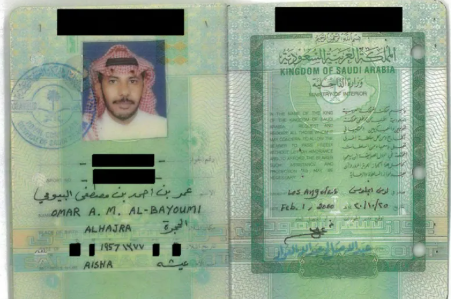
FBI agents later found documents linking Bayoumi to a charity with ties to al-Qaeda, along with writings expressing anti-American sentiments, yet these findings did not culminate in charges or a prosecution. The DOJ has since refrained from commenting on the case, citing the passage of time and changes in personnel.
9/11: What happened and how many people died in September 11 attacks?
The document discusses the ongoing legal implications and investigations surrounding Omar al-Bayoumi in relation to the September 11 attacks. After leaving the UK for Saudi Arabia in August 2002, Bayoumi was cleared by the US 9/11 Commission in 2004, which deemed him “obliging and gregarious” and unlikely to be involved with Islamist extremists. However, the FBI failed to present all evidence to the Commission, raising questions about the thoroughness of the inquiry.
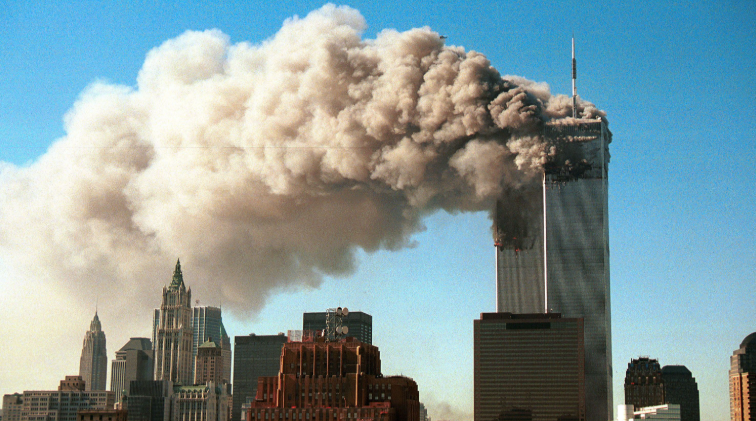
The families of 9/11 victims initiated a lawsuit against various parties, including Bayoumi, seeking $1 trillion in damages for alleged support of al-Qaeda. They have long campaigned for the declassification of FBI documents, resulting in the release of tens of thousands of pages since 2018 under a presidential order by Joe Biden. A judge in the ongoing legal case recently determined that the evidence against Bayoumi suggests he may not have been merely an innocent participant, pointing to activities that could imply he was acting under directives from the Saudi government.
Saudi Arabia has consistently denied any involvement in the attacks, asserting Bayoumi was not an agent and invoking sovereign immunity to contest the legal claims. The case is currently pending with the US Court of Appeal, which is expected to hear oral arguments in October.
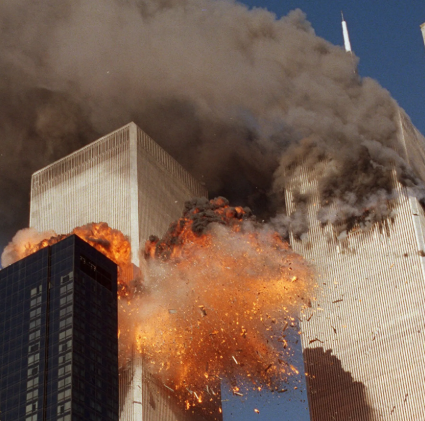
9/11 was a devastating event that deeply impacted countless individuals, including families of victims, survivors, first responders, and witnesses. Holly Ratchford describes how her life dramatically changed in the wake of the attacks, leading her to reevaluate her trust in others. She recounts feeling blindsided, realizing that people she trusted had deceived her. This realization prompted her to leave her job at Parkwood, a property management company, and to move away from urban settings to more secluded locations in search of safety and trust.
Ratchford expresses her fear of people post-9/11, emphasizing her preference for small towns where she feels less likely to be deceived. Her life choices, such as retreating to the beach and later a reservation, illustrate her desire to distance herself from potential betrayal. Despite her efforts to find solace in isolation, she is still haunted by lingering questions about her past at Parkwood, pondering whether stricter oversight could have altered the course of events. Her narrative encapsulates the profound sense of personal trauma and loss of security that many experienced as a direct consequence of 9/11.
Pingback: Nancy Grace Roman: NASA Launches Nancy Grace Roman Telescope to Unlock the Universe Biggest Mysteries - internationalmediawire.com
Pingback: Amazon Cargo Plane Boeing 767 Crashes at Miami Airport, Leaving Multiple People Injured - internationalmediawire.com
Pingback: Trump Marks 25th Anniversary of 9/11 at Pentagon, Links U.S. Security to Iran War - internationalmediawire.com