Houthi Attacks: Saudi Arabia has recently issued and then lifted security alerts across various regions, including the holy city of Mecca and the city of Jeddah, due to escalating Houthi attacks that have deepened the Kingdom involvement in the Middle Eastern conflict. The alerts were prompted by a week of strikes from Iran-aligned Houthi fighters, raising substantial security concerns throughout the nation. Although the Saudi authorities did not confirm whether any projectiles had landed or identify those responsible, the Civil Defense initially issued warnings for four southern cities Najran, Khamis Mushait, Jazan, and Abha only to later declare them safe.
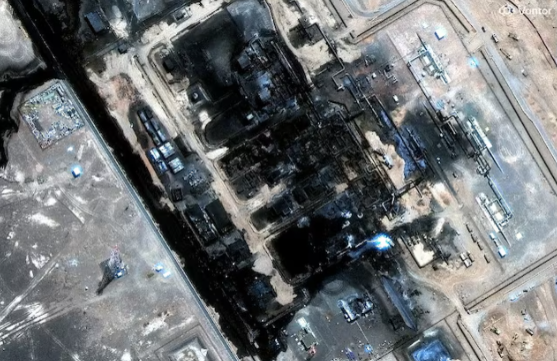
Renewed warnings for Khamis Mushait and Abha were also issued before being rescinded.These attacks, which targeted civilian infrastructure and economic facilities, received widespread condemnation from various Gulf and Muslim organizations as well as regional governments. Notably, backing for Saudi Arabia came from the Gulf Cooperation Council, the Muslim World League, and the Organization of Islamic Cooperation, underscoring a collective opposition to the Houthi Attacks aggressions on Saudi territory and its vital infrastructure. The rapid cycle of issuing and lifting alerts reflects the ongoing volatility in the region and the challenges faced by Saudi Arabia in maintaining security amidst these threats.
On Saturday, a projectile fired by the Houthi Attacks hit Al-Tuwal governorate in Jazan, resulting in injuries to two individuals and causing damage to a mosque, numerous buildings, and several vehicles, as reported by the Saudi Civil Defense. This incident followed a series of Houthi Attacks earlier in the week that affected the cities of Abha, Khamis Mushait, Jazan, and Najran, leading to injuries for a total of 73 people, including women and children.
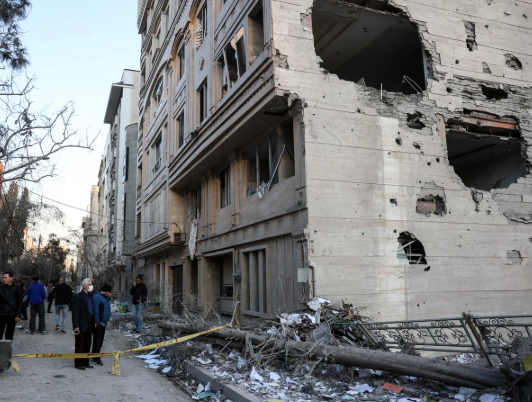
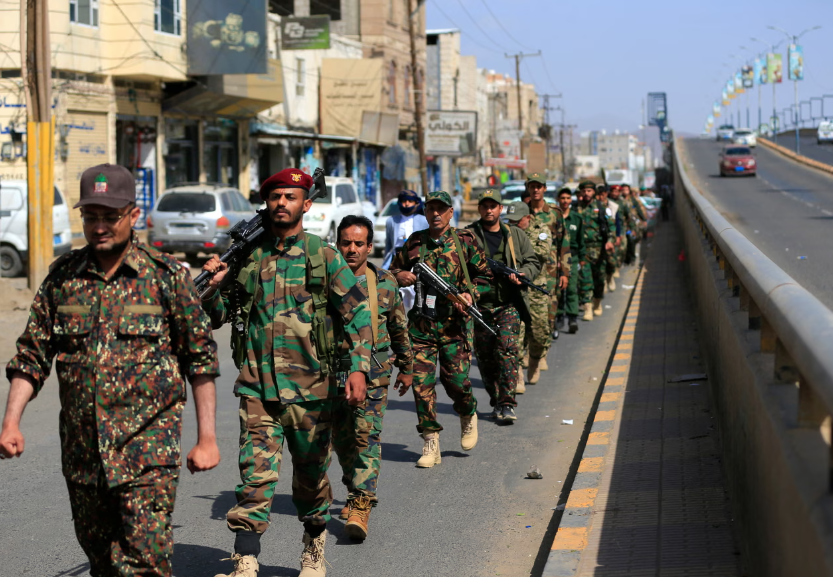
The recent escalation in hostilities reflects mounting tensions in the region, which have increasingly jeopardized Saudi Arabia security and energy infrastructure. The Houthi Attacks, who maintain control over significant portions of northern Yemen and its most populated regions, have ramped up their assaults against Saudi Arabia since they imposed a naval blockade on the Kingdom in July. Additionally, Houthi Attacks have also targeted Saudi-affiliated shipping activities in the Red Sea, further indicating the intensification of the conflict.
New Theatre Strengthens Iran Position
In the context of the ongoing Middle East conflict, recent developments have significantly bolstered Iran position against the U.S. and exacerbated concerns regarding global oil supplies. The situation has escalated as officials from the Saudi-backed Yemeni government, based in southern Yemen and opposing the Houthi Attacks, reported intensified aerial bombardments by Saudi and Yemeni forces in response to Houthi Attacks advancements.
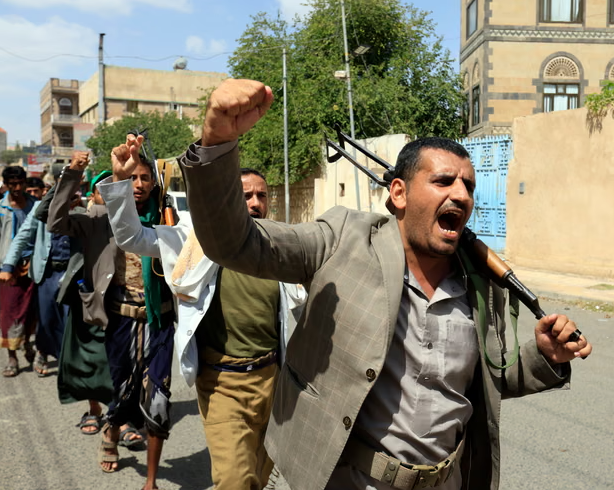
These military operations targeted Houthi Attacks positions, particularly near the historic Red Sea port of Mocha, which was recently captured by Houthi Attacks fighters. Yemeni officials acknowledged that the Houthi Attacks now exert effective control over nearly the entire western coast along the Red Sea. This shift in control has led to increased pressures on the Houthi Attacks, who are escalating their military actions against Saudi forces through enhanced missile and drone attacks, as indicated by a Yemeni official statement regarding the ongoing tactical changes in the region.
Energy infrastructure comes under threat
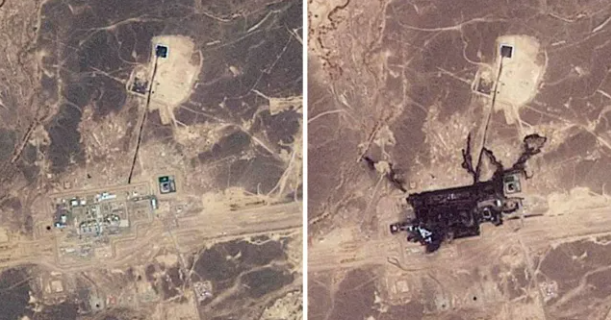
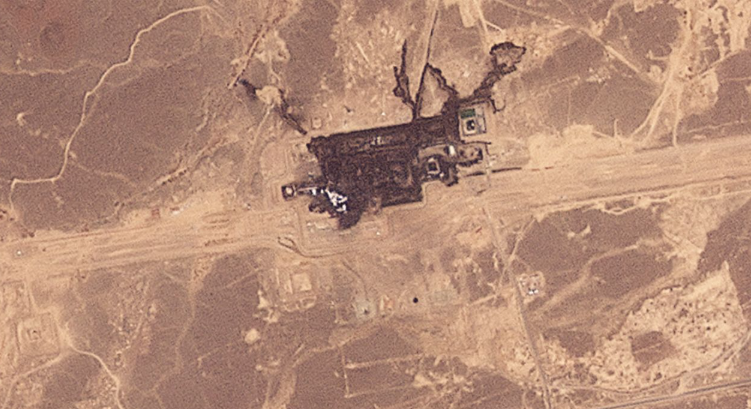
The recent Houthi attacks on southern Saudi Arabia have raised significant concerns regarding the country energy infrastructure. In a notable incident, several drones were launched from Iraqi territory, targeting Saudi Arabia vital East-West oil pipeline. This attack resulted in injuries and material damage in regions including Riyadh and Madinah. In response to the threat, the Saudi Energy Ministry proactively shut down the pipeline to assess the situation and ensure safety, while emergency technical teams were deployed to secure the facility.
Saudi Arabia has opted for restraint, choosing not to retaliate immediately, following a request from Iraqi Prime Minister Ali Al-Zaidi. The Kingdom is allowing Iraq the opportunity to take measures that prevent its territory from being exploited for further attacks against Saudi Arabia and its neighbors. Meanwhile, Iraq has denounced the assaults and initiated an investigation, affirming that its land and airspace will not be permitted to be a staging ground for aggression against other nations.
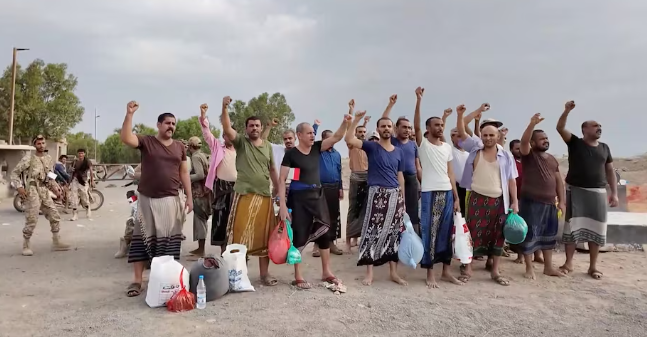
The East-West oil pipeline holds critical importance for Saudi Arabia as it serves as an alternative route for transporting crude oil to international markets, circumventing the strategic Strait of Hormuz. This incident not only underscores the vulnerabilities of energy infrastructure in the region but also illustrates the complex geopolitical dynamics involving Saudi Arabia and Iraq amidst rising tensions.
The East-West pipeline, spanning approximately 1,200 kilometers, transports Saudi crude oil from eastern oil fields to the Red Sea port of Yanbu. This strategic route enables exports to circumvent the critical waterway at the Gulf entrance. However, the recent attack on the pipeline introduces additional risks to regional energy supplies, particularly as ongoing conflict has already impacted oil production, shipping, and export routes.
Bab Al-Mandab adds another risk
Concerns regarding the security of the Bab Al-Mandab Strait have heightened due to the Houthi military activities along Yemen western coast. Their advances toward this strategic waterway, which links the Red Sea to the Gulf of Aden and the Indian Ocean, raise alarms about the potential escalation of conflict that could jeopardize one of the world critical maritime trade routes. The Houthi Attacks have a track record of attacking commercial shipping in the Red Sea, prompting many vessels to opt for longer, more expensive routes around the Cape of Good Hope to avoid risk.
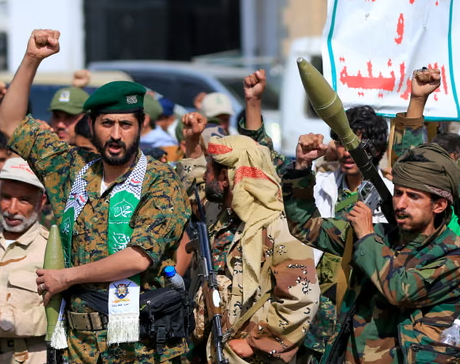
This increased shipping time and cost could lead to significant repercussions on global energy markets, especially if threats to shipping extend to the Strait of Hormuz. Both waterways are vital for Gulf energy exports and international trade; severe disruptions in either would limit options for oil producers and shipping companies trying to access global markets. The risks have grown with the Houthis’ recent territorial gains, including the capture of the Red Sea port city of Mokha and their movements toward the Bab Al-Mandab area.
Pressure also builds around Marib
The situation surrounding Marib, a strategically crucial province in Yemen, is escalating as renewed Houthi attacks signal intensifying internal conflict in the region. Yemeni government forces have alerted that the Houthis appear to be gearing up for another offensive aimed at seizing Marib, which has remained under government control despite several previous attempts by the Houthis. Brig. Yahya Al-Hatemi, the head of the Yemeni army military media, reports that government forces are now better organized, equipped, and experienced after over a decade of conflict.
In recent developments, a Houthi military buildup has been reported around Marib, coinciding with their recent territorial gains along Yemen western coast, raising fears of further Houthi expansion. The importance of Marib is underscored by its significant oil and gas fields, military installations, and a vital power station, in addition to hosting over 2 million displaced individuals.
The Houthis previously launched a substantial offensive to take Marib in 2021; however, this campaign saw a decline following the UN-brokered truce in April 2022. In response to the renewed threats, Yemeni officials are expressing confidence that the military is better equipped to face any new assaults. The armed forces have undergone restructuring and have been supplied with new equipment, including the recent reactivation of Yemen air force after an absence of 11 years.
Regional solidarity with Saudi Arabia
The recent attacks targeting Saudi Arabia, particularly the strike on the East-West Pipeline, have elicited strong condemnation from various Gulf and Muslim organizations, including the Gulf Cooperation Council, the Muslim World League, and the Organization of Islamic Cooperation. Nations such as Qatar, Bahrain, Oman, and Egypt have also expressed their solidarity with Saudi Arabia, underscoring that assaults on vital civilian and energy infrastructure pose significant threats to regional stability.
Prime Minister of Pakistan, Muhammad Shehbaz Sharif, condemned the Houthi attacks during a conversation with Crown Prince Mohammed bin Salman, highlighting the breaches against the Kingdom sovereignty and integrity. He specifically denounced the strikes impacting critical oil infrastructure and reaffirmed Pakistan support for Saudi Arabia in countering threats, while promoting diplomatic measures to avert further escalations.
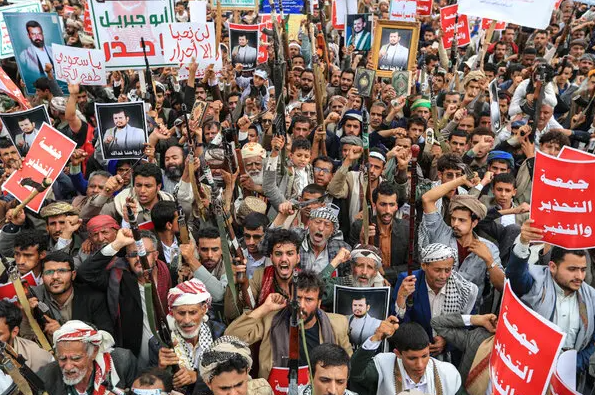
These recent incidents have positioned Saudi Arabia at the epicenter of an expanding security dilemma, which includes challenges stemming from Yemen, Iraq, and critical maritime routes. Riyadh foremost concern is to safeguard its population and essential infrastructure, as it aims to avoid a broader conflict. However, the resurgence of Houthi attacks in the southwest, alongside the recent strike on the East-West Pipeline and heightened instability around the Bab Al-Mandab area, has exposed vulnerabilities in the region energy infrastructure and transportation routes.
New Oil Threat
Saudi Arabia East-West Pipeline, stretching 1,200 kilometers (745 miles) and serving as the Kingdom main export route for oil, has been compromised due to an attack that resulted in its closure amid ongoing conflicts that have disrupted shipping through the Strait of Hormuz for the past six months. Traders estimate that a prolonged shutdown of this pipeline could potentially eliminate up to 4% of the global oil supply. Despite the significant implications for the global market, Riyadh has not provided a timeline for when operations might resume.
Additionally, the increasing presence of Houthi forces in the Bab el-Mandeb Strait, known as the “Gate of Tears,” poses further risks to this vital export pathway. Consequently, oil prices have surged, reaching levels not seen since May, with Brent crude oil futures exceeding $108 per barrel, and the retail price of diesel in the U.S. soaring to a record high of nearly $6.27 per gallon. The United Nations Security Council is scheduled to address the escalating crisis in the Bab el-Mandeb on Tuesday afternoon, as reported by two French diplomats.
Americans Hesitant to Step In
The conflict in Yemen, primarily involving Saudi Arabia and the Houthis, has seen renewed hostilities after years of relative calm under a ceasefire. Since 2015, Saudi Arabia has led a coalition against the Houthis, but recent escalations have prompted concerns about security in the region. The U.S. faces a significant dilemma: whether to engage militarily to assist Saudi Arabia, thus potentially embroiling itself in another prolonged conflict, or to remain passive and risk jeopardizing the global economy due to instability.
Recent diplomatic activities include Saudi Crown Prince Mohammed bin Salman meeting with Egyptian President Abdel Fattah al-Sisi in Cairo, where they emphasized the importance of securing maritime routes in the Bab el-Mandeb strait and Red Sea. Additionally, the Crown Prince has reached out to U.S. military leadership and President Donald Trump, seeking military support that currently is limited to intelligence sharing. Overall, this situation poses complex challenges for U.S. foreign policy and security interests in the region.
Pingback: Saudi Arabia on High Alert as Houthis Attacks Intensify After Week of Strikes - internationalmediawire.com